
Why Your Lakeland Home's Electrical System Fails Modern Code (And Why That Matters)
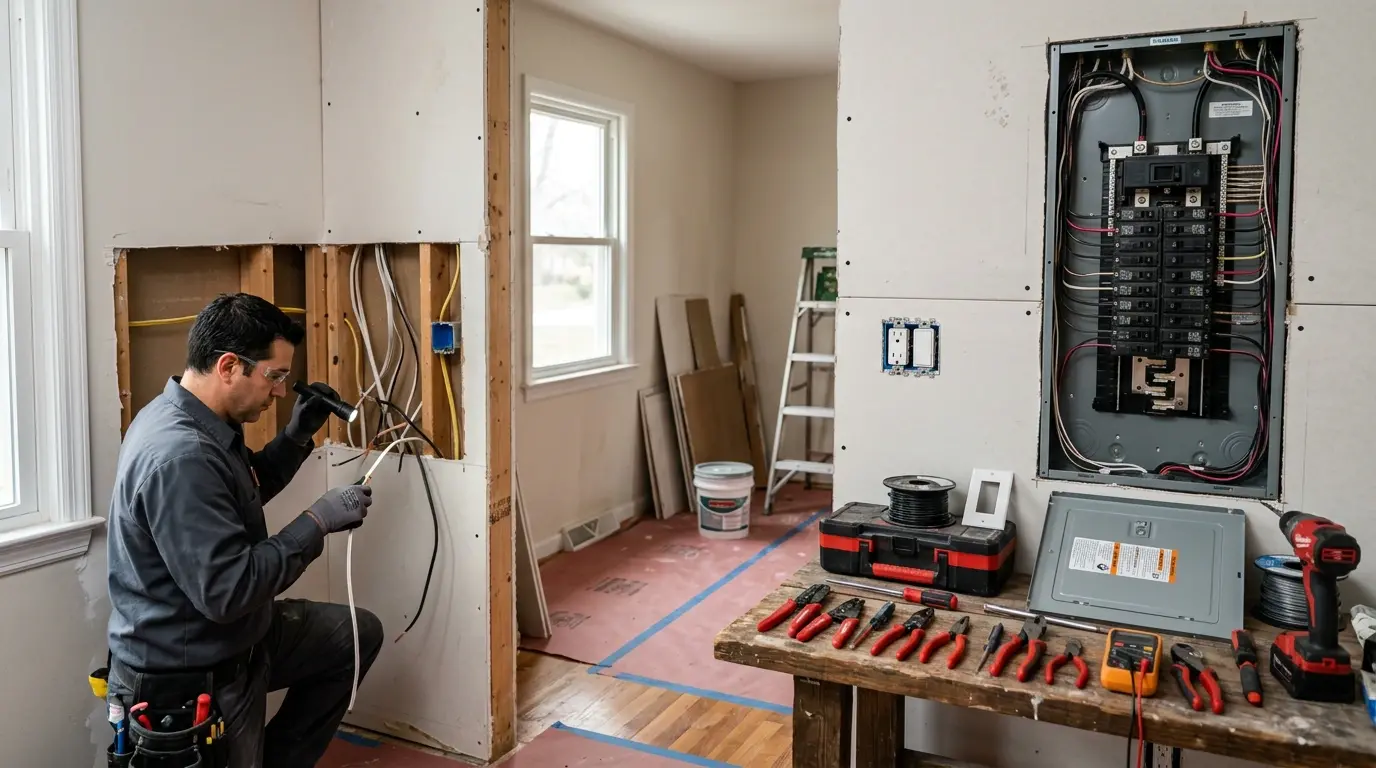
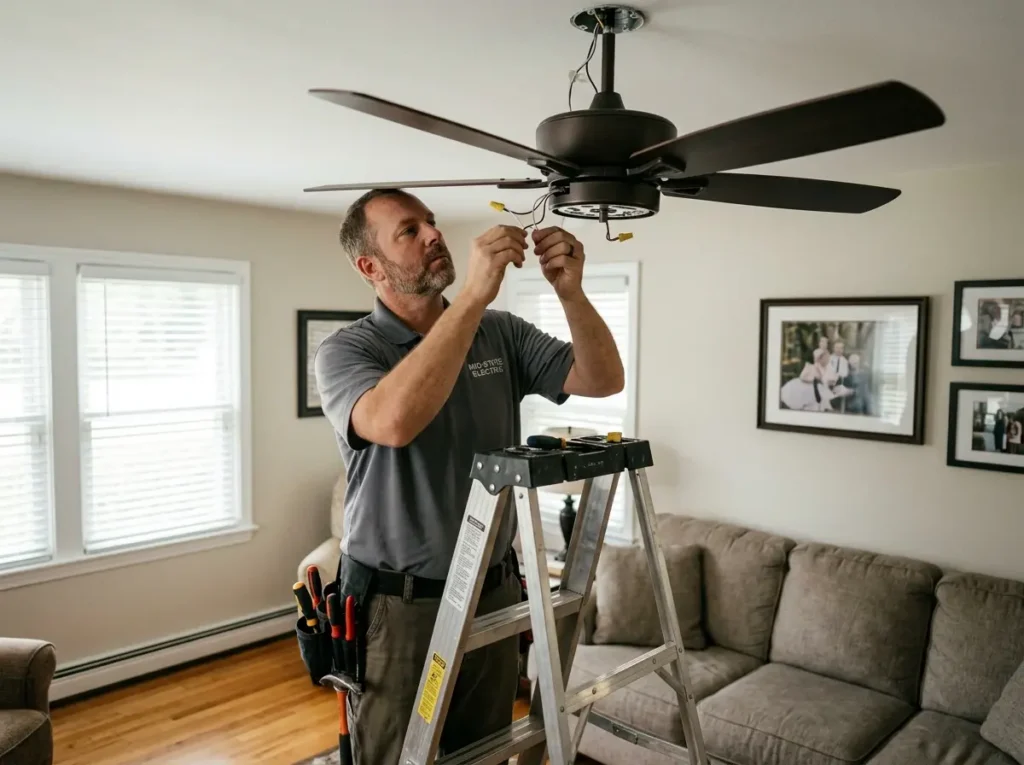
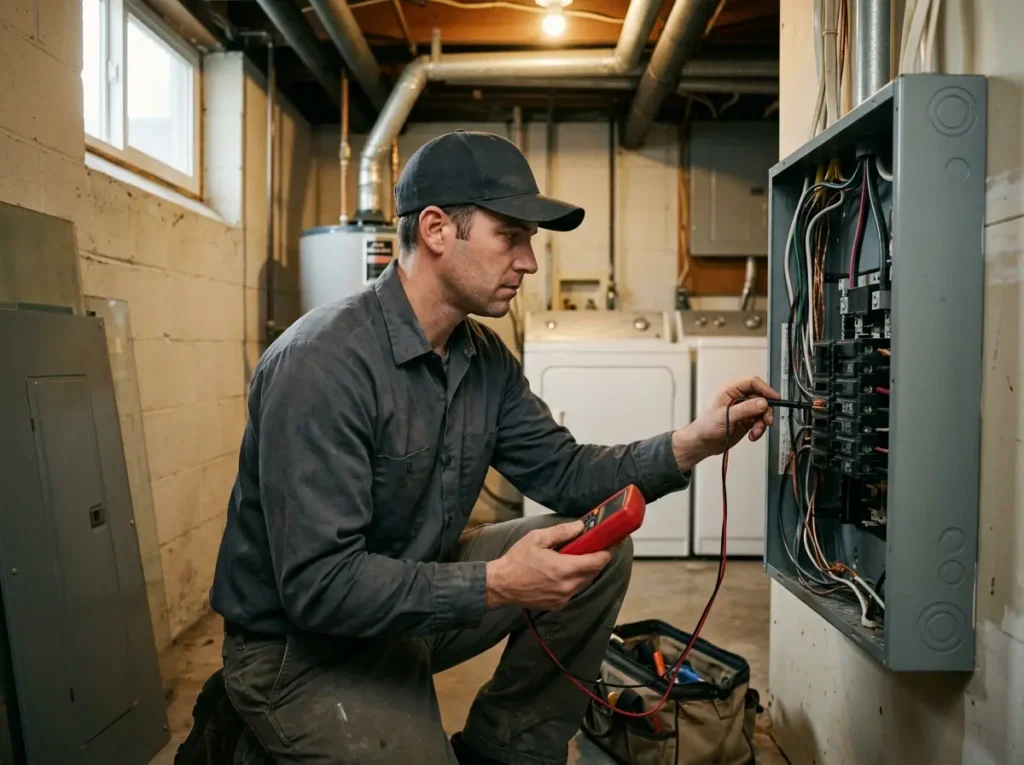
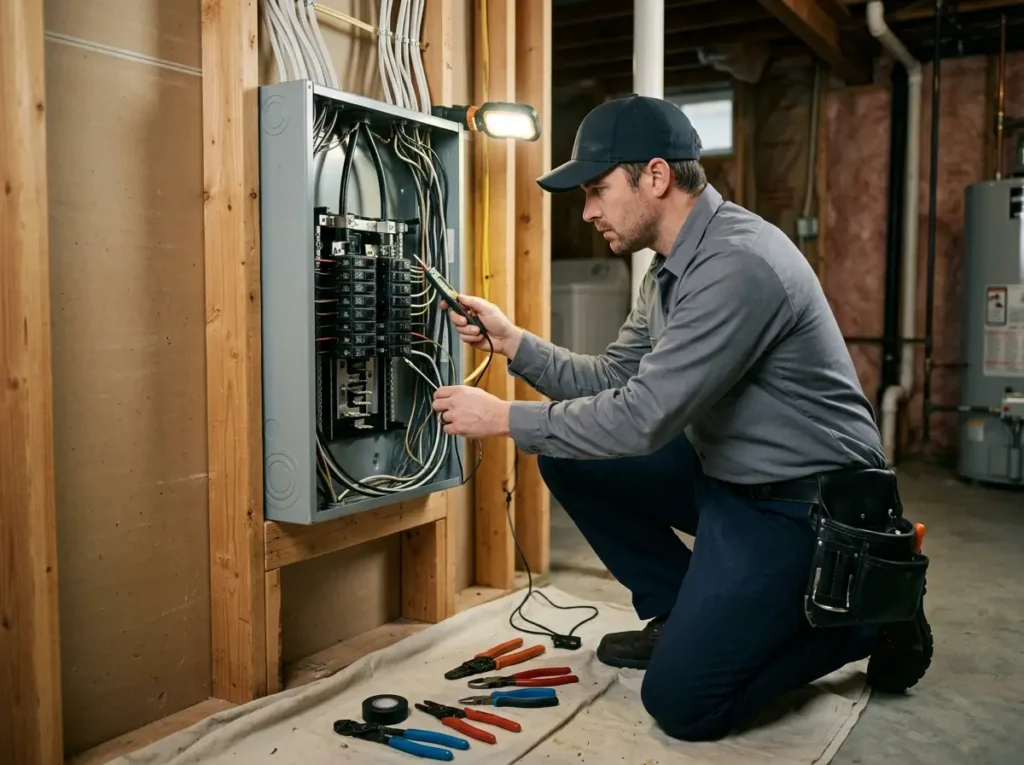
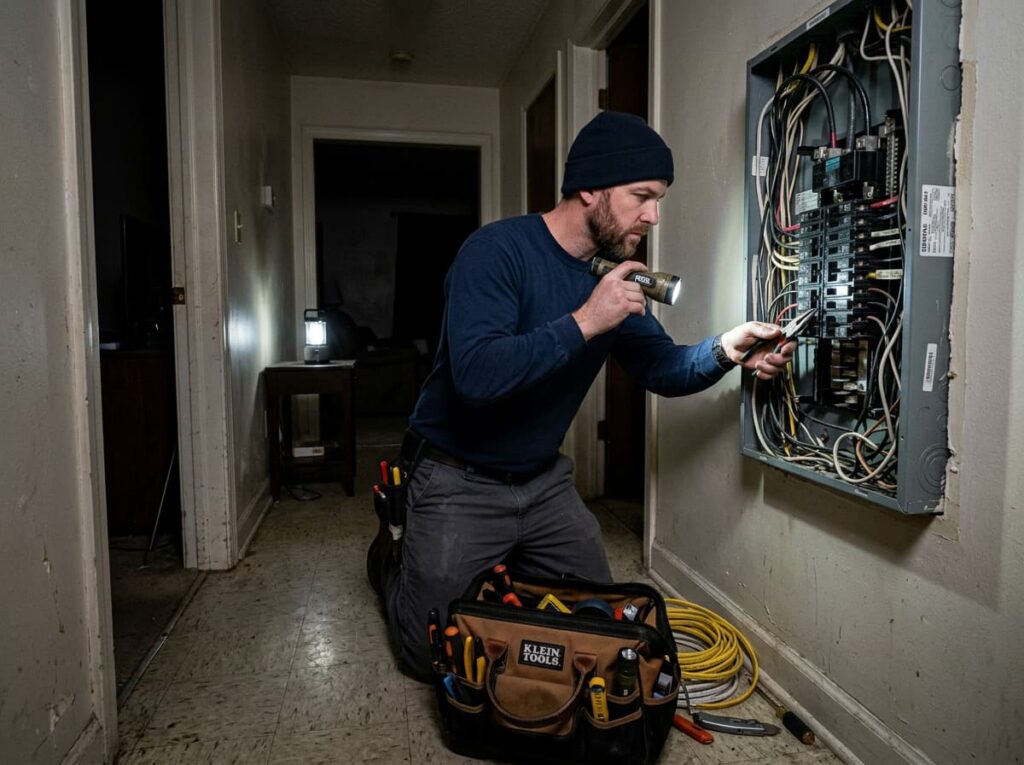
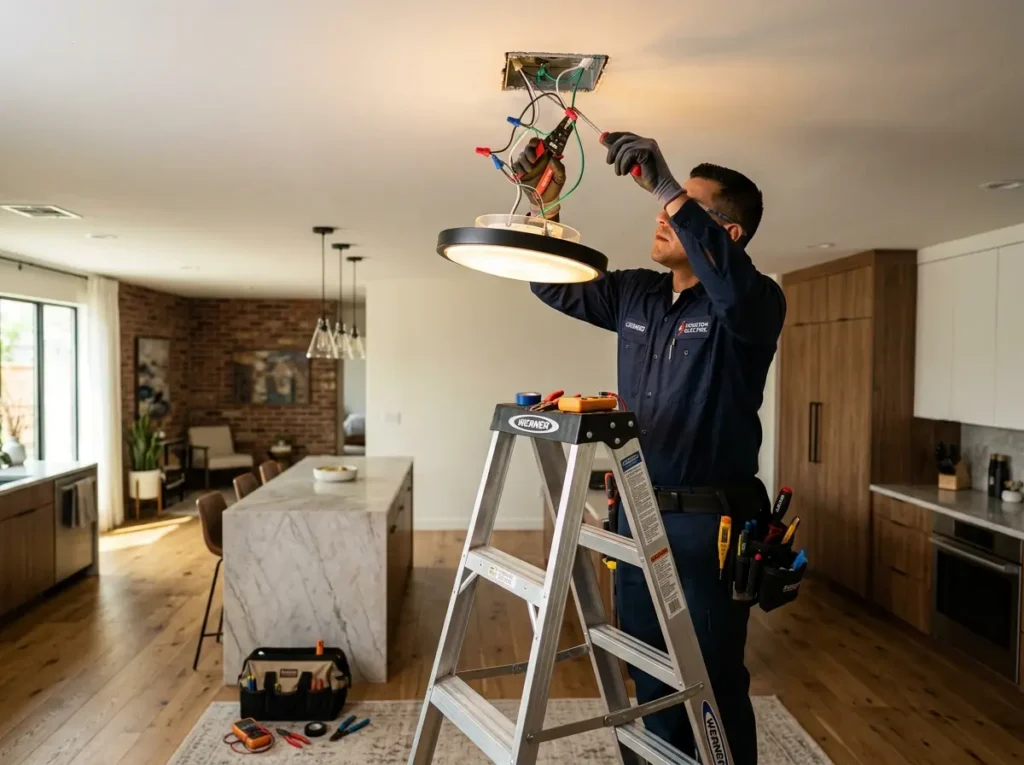
The kitchen you are remodeling was wired in 1985. The bathroom was last updated in 1995. Both met the electrical code of their day. But today's NEC requires AFCI protection on nearly every living area circuit, GFCI protection within 6 feet of any water source, and dedicated circuits for refrigerators, microwaves, dishwashers, and disposals. Your existing wiring has none of this. Our electrical remodeling and home electrical upgrade services bring your Lakeland home into compliance without destroying your walls. We install arc fault breakers in the panel, fish wire through walls to add missing circuits, and replace undersized 14 AWG wiring with 12 AWG where 20-amp capacity is needed. We work alongside your contractor so the drywall goes up only after everything passes rough-in inspection.
Six Code Upgrades We Install During Electrical Remodeling
First, AFCI protection — we replace standard breakers with arc fault breakers in all bedrooms, living rooms, dining rooms, and family rooms (NEC 210.12). Second, dedicated circuits — we run separate lines for refrigerator, microwave, dishwasher, disposal, washing machine, furnace, and sump pump. Third, GFCI protection — we install GFCI outlets or breakers in kitchens, bathrooms, laundry rooms, garages, basements, and outdoors (NEC 210.8). Fourth, kitchen electrical remodel upgrades — two 20-amp small appliance circuits, island receptacle requirements, under-cabinet lighting wiring. Fifth, bathroom electrical remodel upgrades — dedicated 20-amp circuit for bathroom outlets (not shared with lights or fans), GFCI protection, exhaust fan wiring with timer, heated floor rough-in. Sixth, wire gauge upgrade — replacing 14 AWG (15-amp) with 12 AWG (20-amp) on kitchen, bathroom, laundry, and dining room circuits.
Our electrical remodeling process in Lakeland coordinates with your renovation schedule:
- Pre-construction walkthrough with your contractor to identify all electrical needs before drywall removal
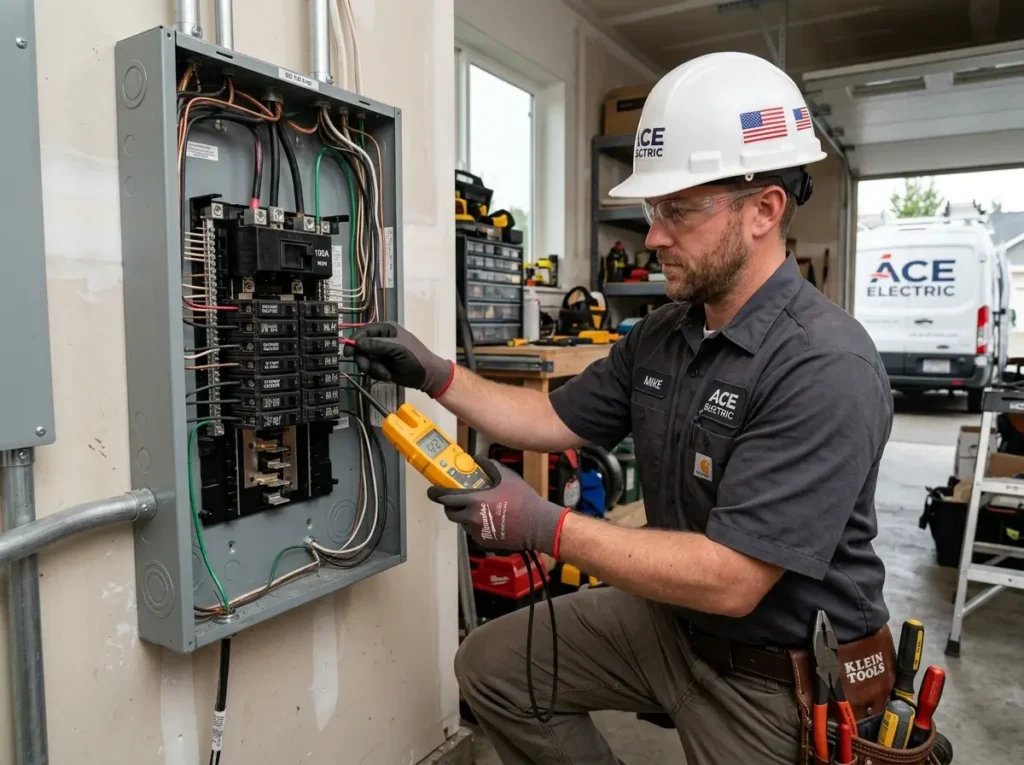
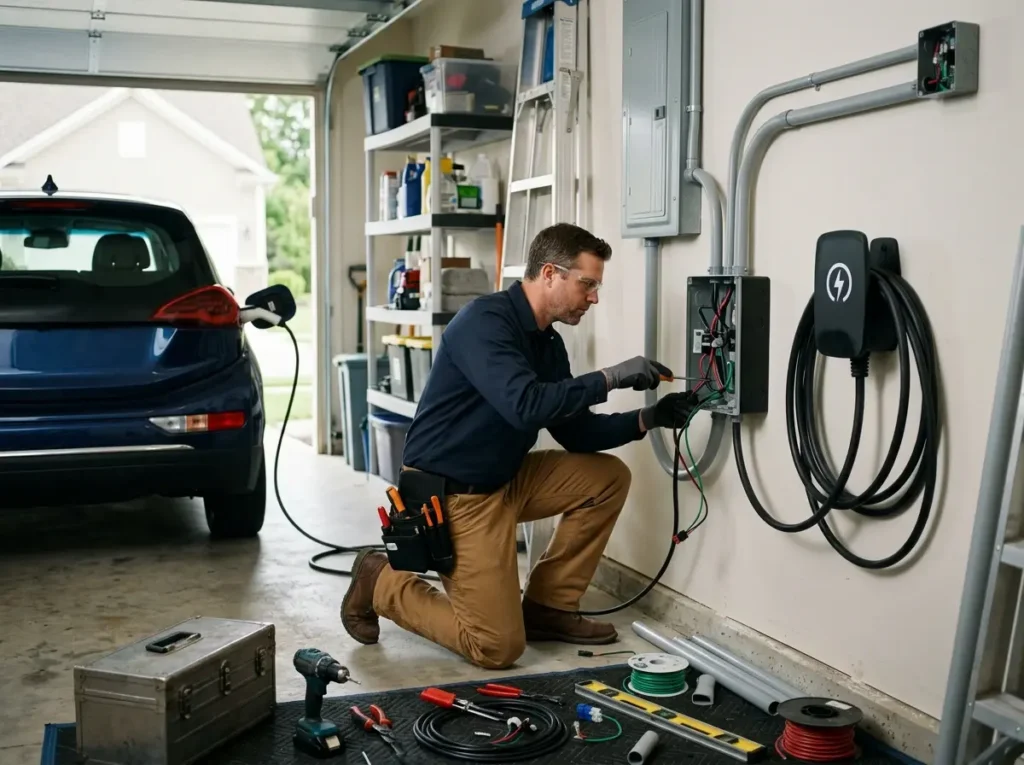
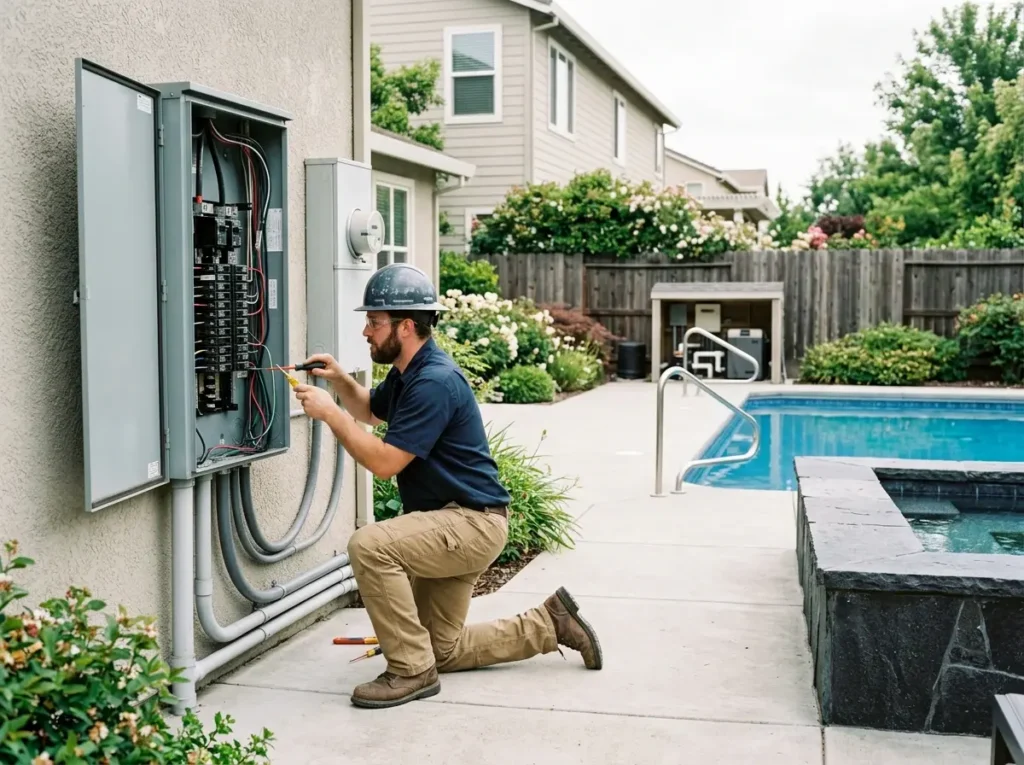
- Panel assessment — do you need a panel upgrade to 200A for your new kitchen appliances and EV charger?
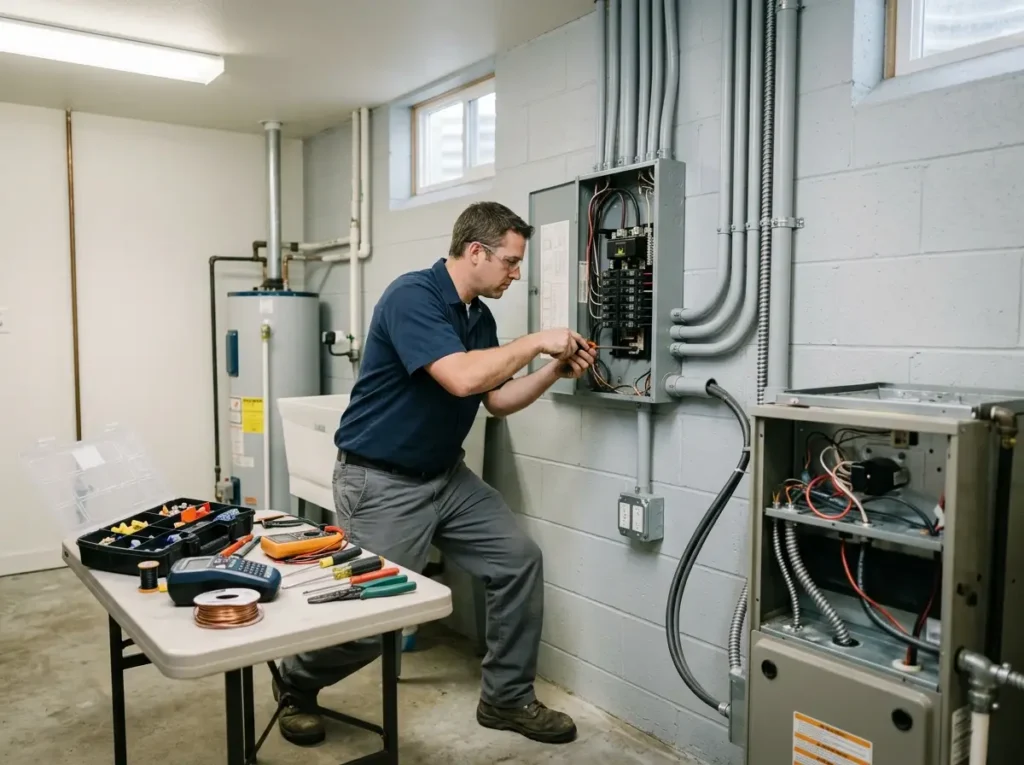
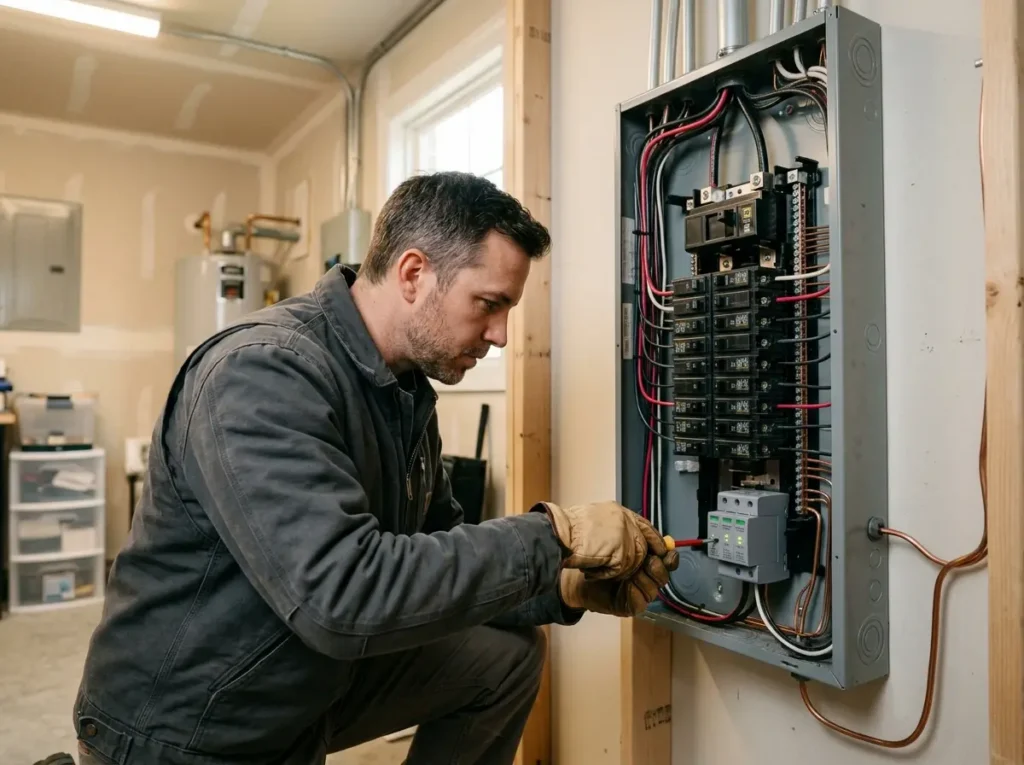
- Arc fault breakers installation — we replace standard breakers with combination AFCI breakers in all habitable rooms
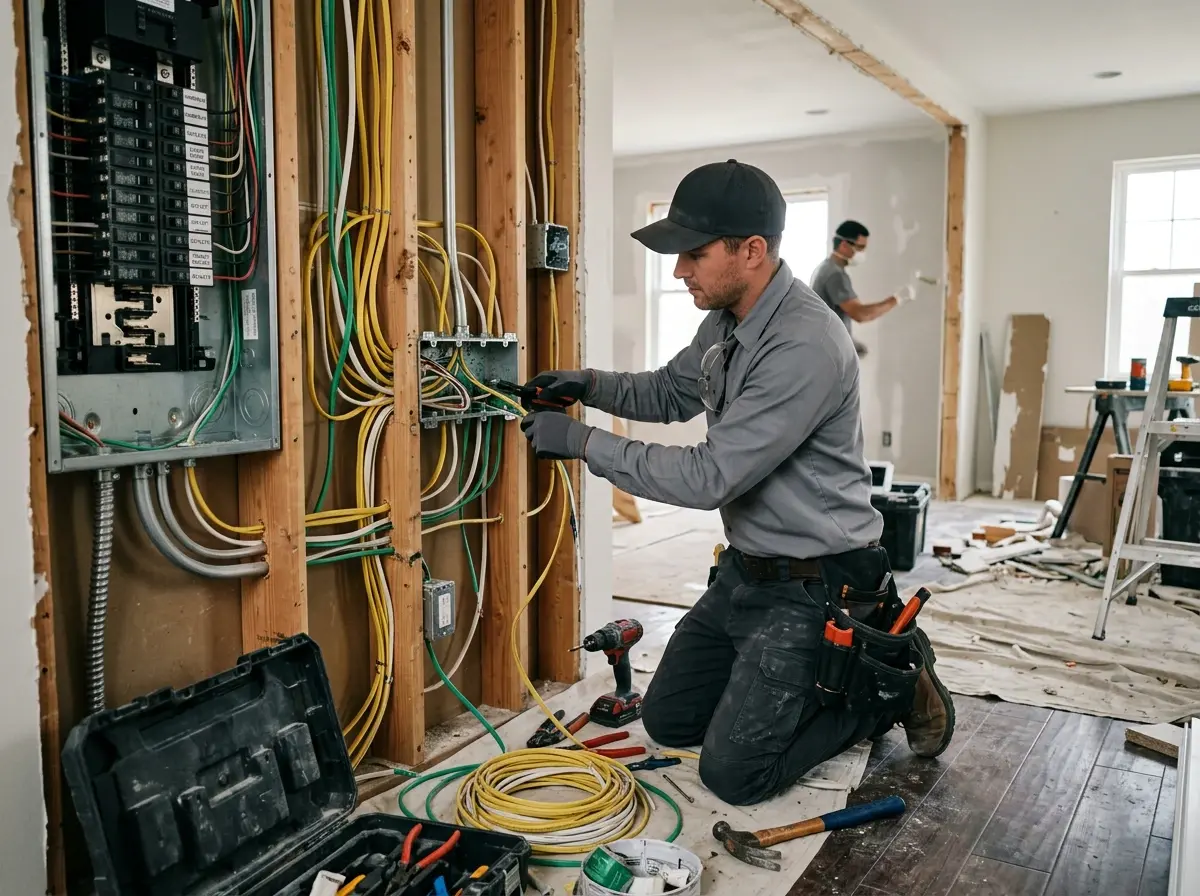
- Dedicated circuits rough-in — we run new Romex from panel to each appliance location while walls are open
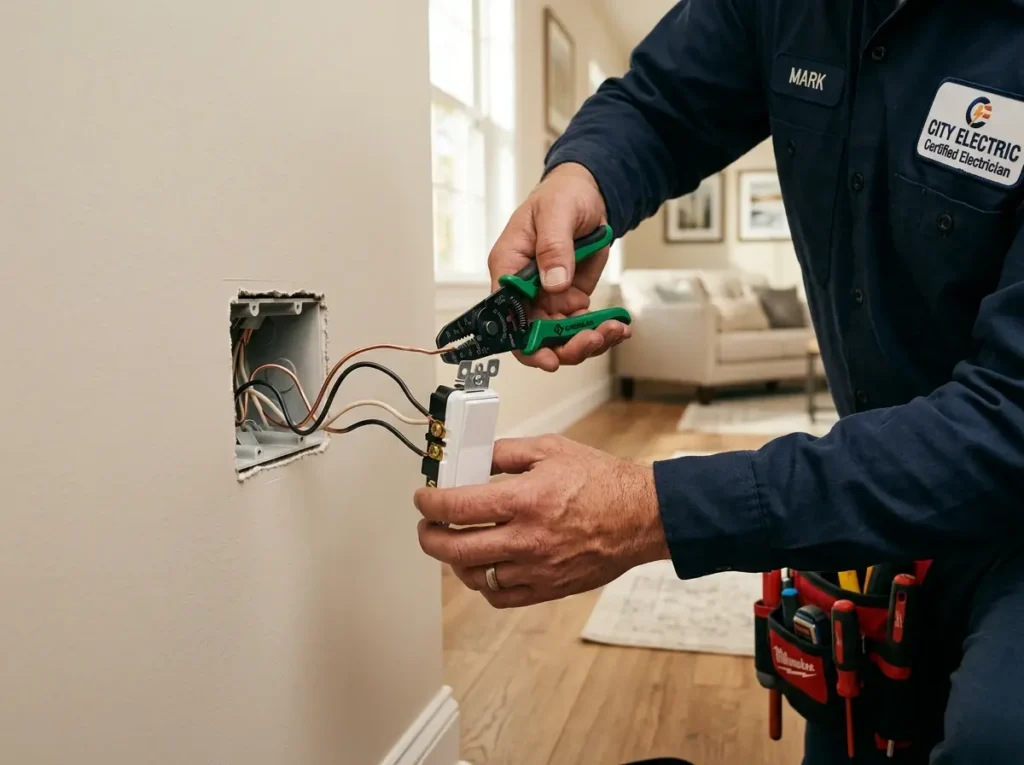
- Fish wire through walls for new outlets or switches in areas where walls are staying intact
- Kitchen electrical remodel — we install the required two 20-amp countertop circuits, plus separate lines for each appliance
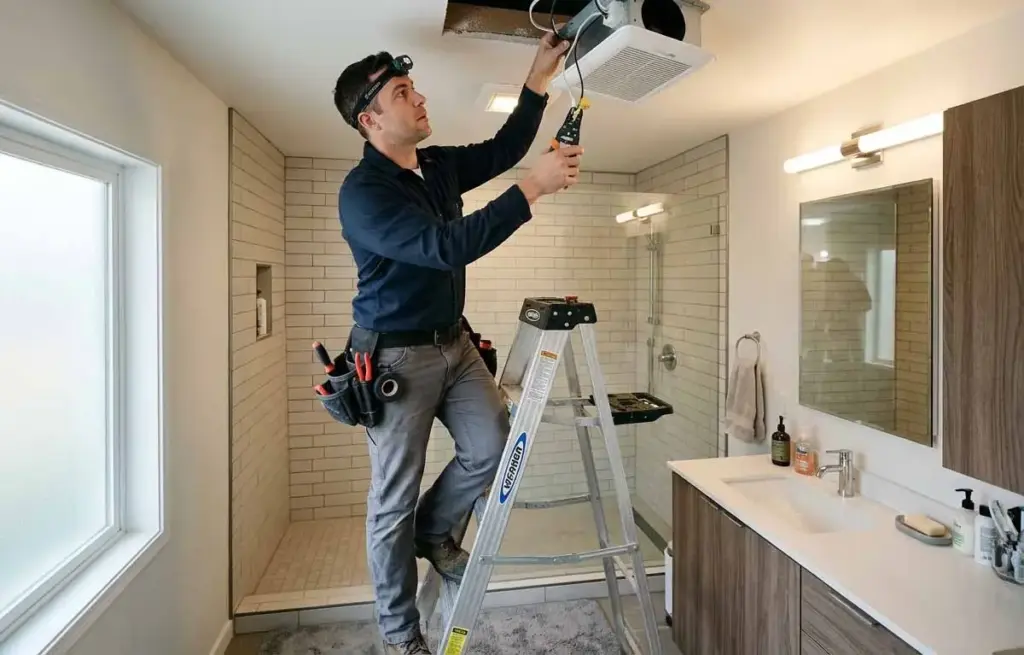
- Bathroom electrical remodel — we add a dedicated 20-amp circuit for outlets, GFCI protection, and exhaust fan wiring
- Final trim-out and inspection coordination after drywall and paint are complete
How Long Does Electrical Remodeling Take?
A kitchen electrical remodel where walls are already opened (gut renovation) takes 6 to 10 hours spread across 1-2 days. We run new dedicated circuits from the panel to the kitchen, install countertop receptacles every 48 inches per code, wire the island or peninsula, connect under-cabinet lighting, and verify AFCI and GFCI requirements. A bathroom electrical remodel in opened walls takes 3 to 5 hours, including GFCI outlets, ventilation fan wiring, vanity lighting, and heated floor circuits if requested. A full home electrical upgrade with arc fault breakers installation on all circuits (no new wiring) takes 2 to 4 hours — we simply replace standard breakers with AFCI breakers. But if your panel is older (Federal Pacific, Zinsco, or no space for tandem AFCI breakers), we may need a panel upgrade first — 6-10 hours. Rewiring old house for a 2,000 square foot Lakeland home with walls already opened takes 3 to 5 days. Day one: run new circuits from panel to attic/basement. Day two: drop wires down walls to each outlet and switch. Day three: install new devices, disconnect old wiring. Days four and five: drywall repair after rewiring (if contracted) and final testing. For projects where we fish wire through walls without opening them (client wants to preserve plaster), each outlet or switch adds 45-90 minutes versus 15-30 minutes with open walls. A 10-outlet room with fishing takes 6-10 hours. The most time-consuming scenario in Lakeland is a historic home with knob-and-tube wiring and plaster walls that the client wants to preserve. We fish new Romex through existing cavities, leaving the old dead wires in place. A 2,000 square foot home takes 5-8 days. We always provide a room-by-room timeline and coordinate our schedule with your contractor's drywall and painting schedule.

Why AFCI Protection Is Not Optional (Even If Your Old Panel Had None)
Arc fault breakers (AFCI) detect dangerous sparking inside walls — the kind that standard breakers ignore. A loose wire nut, a nail through Romex, or a chewed wire from a rodent creates an arc. That arc generates temperatures over 10,000°F, igniting wood studs and insulation. A standard breaker only trips when current exceeds its rating (15A or 20A). An arc may draw only 0.5-5A — well below the threshold. The arc continues until a fire starts. AFCI breakers monitor the waveform of the current, looking for the high-frequency signature of an arc. When detected, the breaker trips in milliseconds. NEC has required AFCI protection in bedrooms since 2002, in living and family rooms since 2008, and in virtually all habitable rooms since 2014. Yet most Lakeland homes built before 2002 have zero AFCI protection. Our home electrical upgrade includes arc fault breakers on every circuit in bedrooms, living rooms, dining rooms, and hallways. For kitchen electrical remodel, we install combination AFCI/GFCI breakers on circuits that need both protections. For bathroom electrical remodel, the outlet circuit needs GFCI, but the lighting circuit needs AFCI. We explain which circuits need which protection and install the correct breakers. For rewiring old house projects, we install a new panel with AFCI breakers on all applicable circuits. For wire gauge upgrade, we replace 14 AWG (rated 15A) with 12 AWG (rated 20A) on kitchen, bathroom, laundry, and dining circuits. Modern kitchens have high-wattage appliances (microwave 1,500W, toaster 1,200W, coffee maker 1,000W). A 15-amp circuit (1,800W max) cannot handle two appliances at once. Our 20-amp upgrade gives you 2,400W capacity. For dedicated circuits, we ensure your refrigerator has its own line — if a nuisance trip from another appliance shuts off your fridge, you could lose $500 in food. We also add dedicated circuits for microwave (1,500W, often shares with general lighting), dishwasher (1,200W, often shares with disposal), and disposal (500W). Every electrical remodeling project we complete includes a final AFCI test: we use an arc calibrator to trip each AFCI breaker, verifying function. We also provide a panel schedule labeling every AFCI, GFCI, and dedicated circuit, plus a folder of thermal images and torque records for your insurance company.
Call our remodeling team in Lakeland before your contractor closes those walls. We bring your home's electrical system into the 21st century — safely, code-compliantly, and without destroying your finishes.