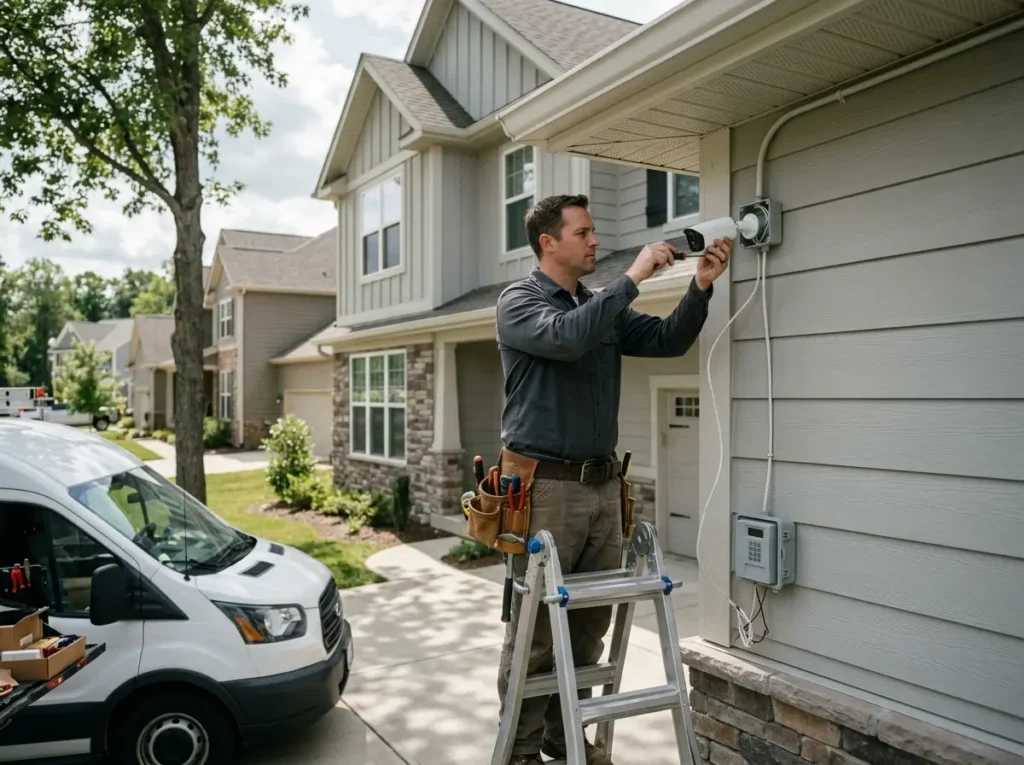
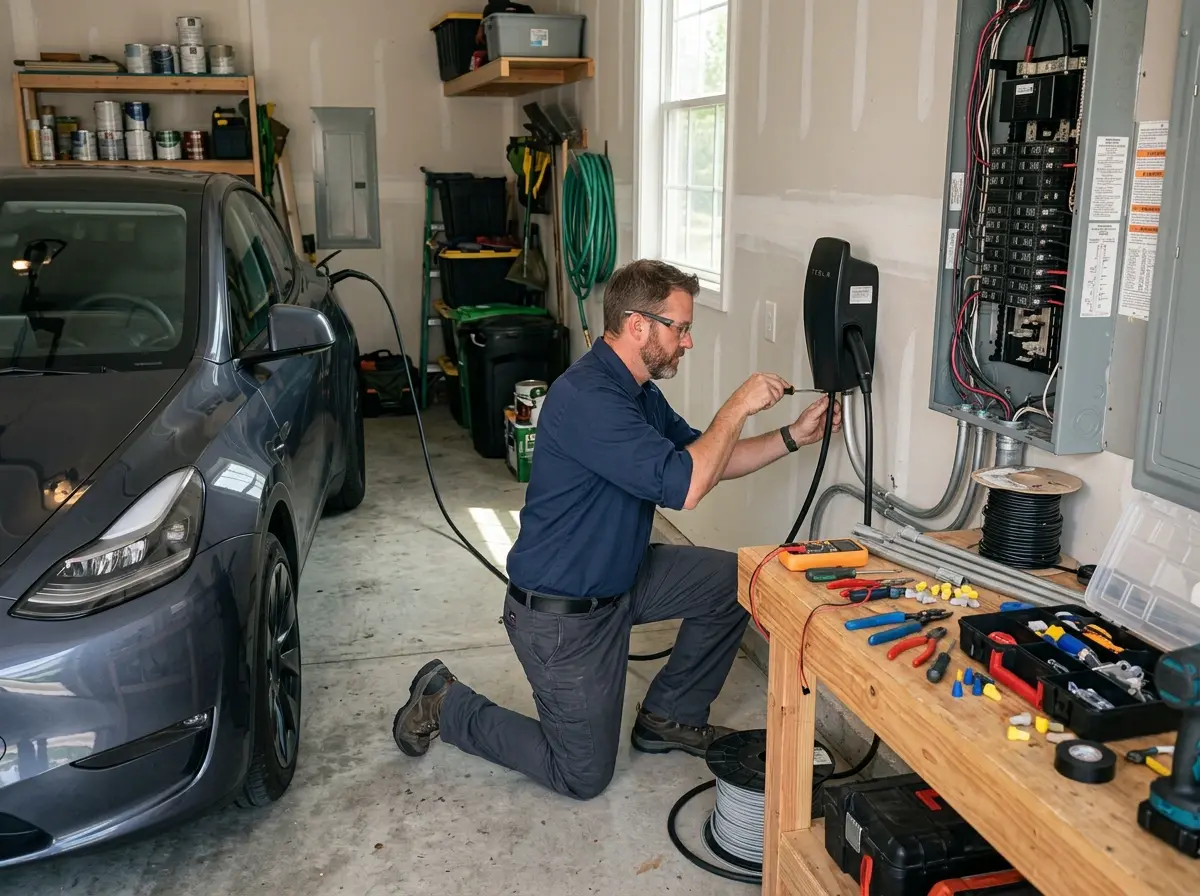
EV Charger Installation in Little River, Miami – Home Charging Should Be Simple, Not Stressful
A new electric vehicle sits in the driveway. The dealer said charging at home would be easy. But the standard 120V outlet adds only 3 to 5 miles per hour — barely enough for daily errands. Plugging into the dryer outlet works for one night but becomes a daily hassle. And no one mentioned that some homes need an electrical panel upgrade for EV charger installation before they can support Level 2 charging at all. Homeowners in Little River, Miami face these frustrations constantly. Our organization solves them with professional EV charger installation, home EV charging station installation, and Level 2 EV charger installation that matches your vehicle, your driving habits, and your home's electrical capacity.
What Goes Wrong Without Professional EV Charger Installation
The gap between owning an EV and conveniently charging it at home is wider than most buyers realize. Our team corrects these problems every week for Little River, Miami residents:
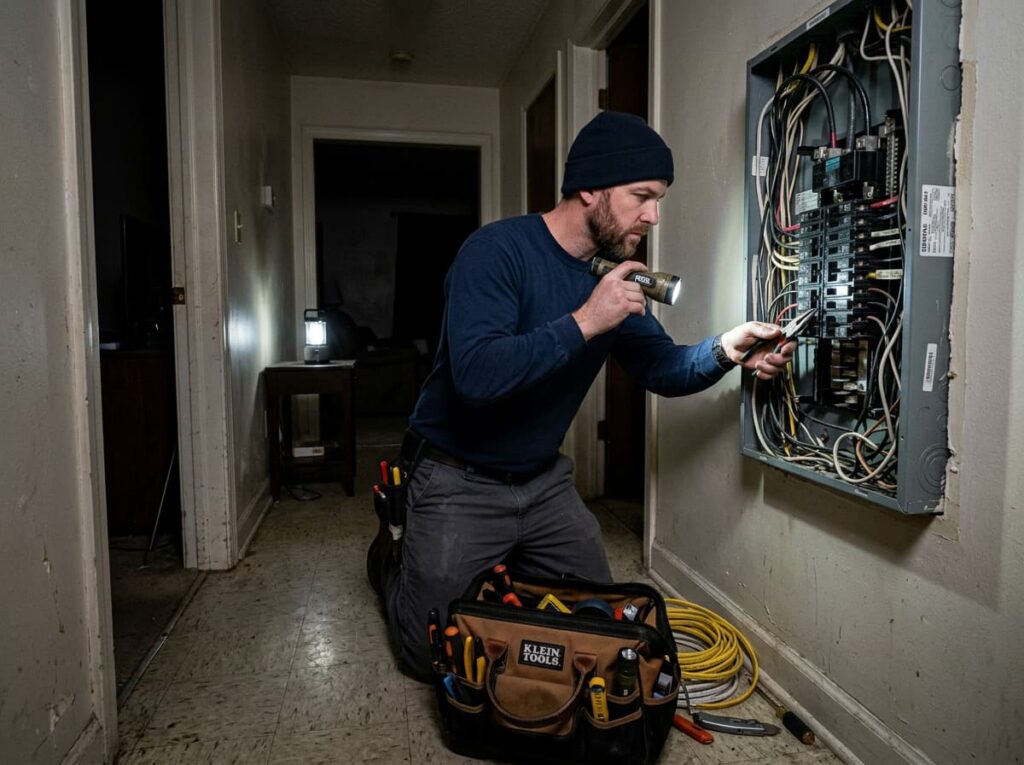
- A Tesla wall connector installation attempted on a 100-amp panel already loaded with AC, dryer, and oven — breakers trip every time the car charges during dinner hours
- A 240V outlet for EV installed with the wrong NEMA configuration (14-30 instead of 14-50), requiring an adapter that reduces charging speed
- A hardwired EV charger installation connected with undersized wire that overheats during summer charging sessions
- Load calculation for EV charging never performed, leaving homeowners unaware that their panel is overloaded until an inspector flags it during home sale
- A NEMA 14-50 outlet installation placed on the outside wall without weatherproof enclosure, failing within months of rain exposure
None of these issues are equipment defects. They are installation failures. Our organization prevents every one through systematic planning before any wire is pulled.
Time Estimates for EV Charger Installation
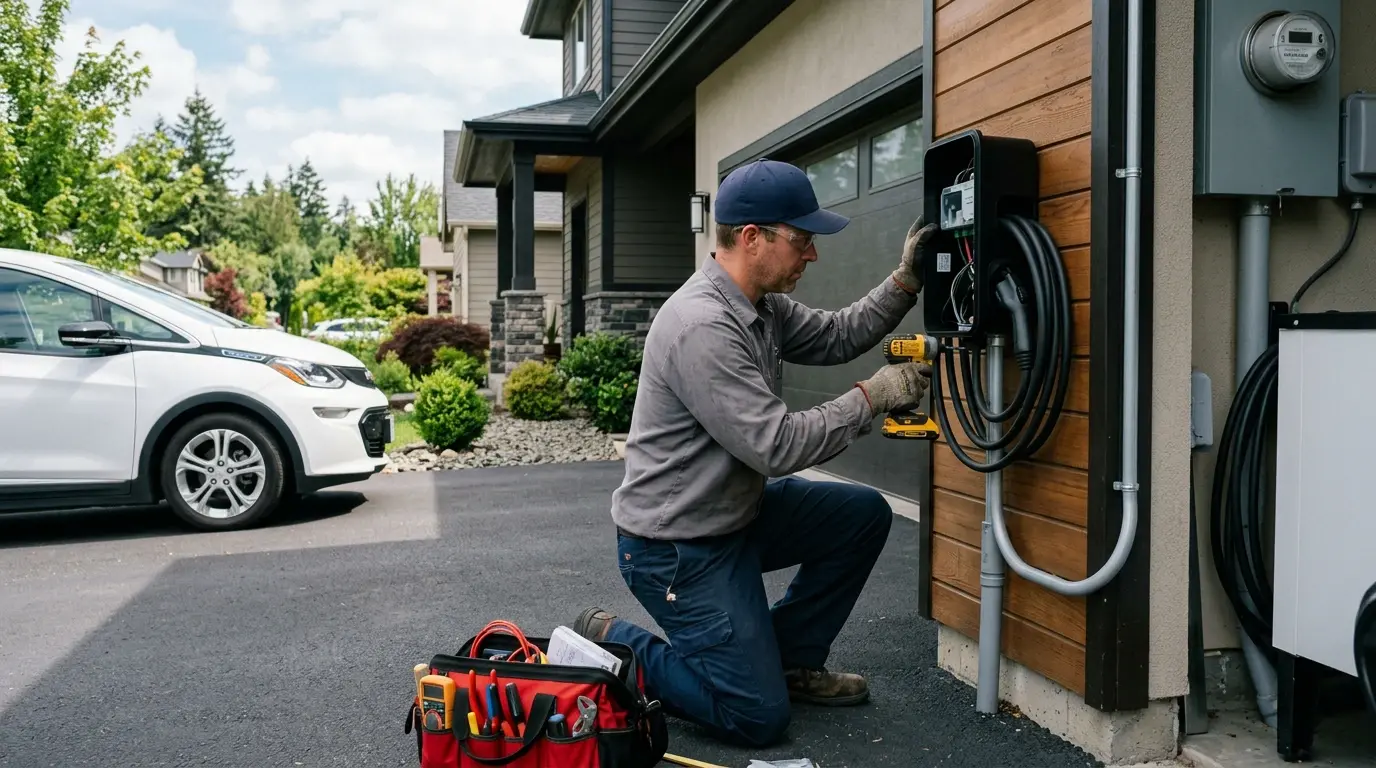
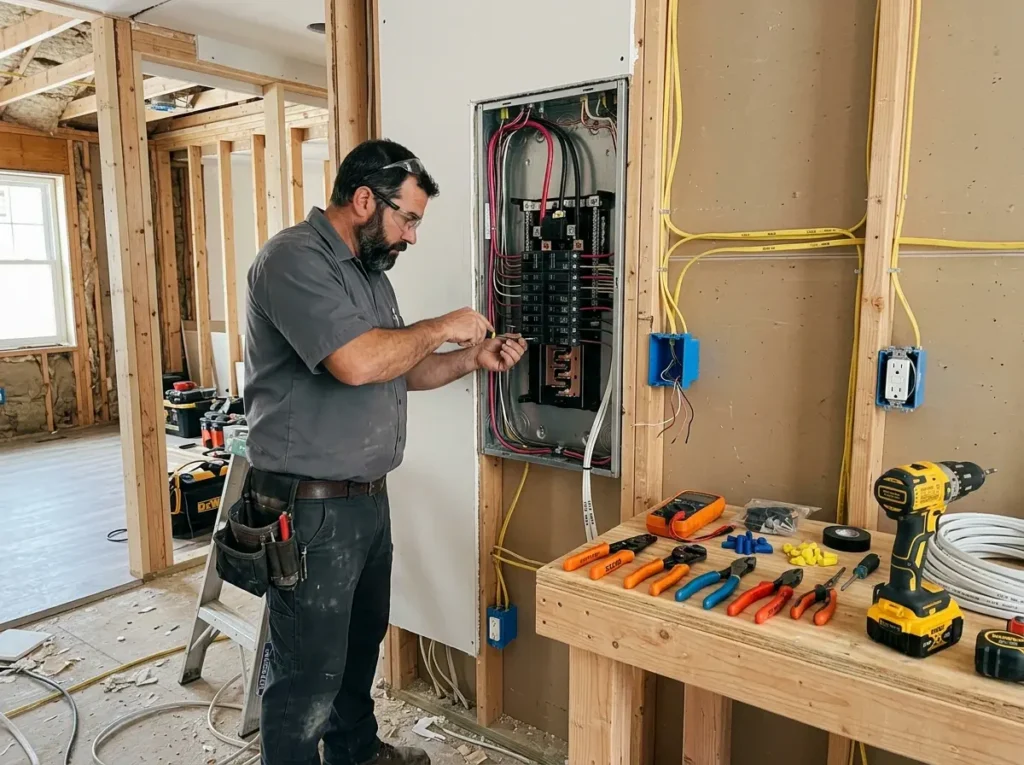
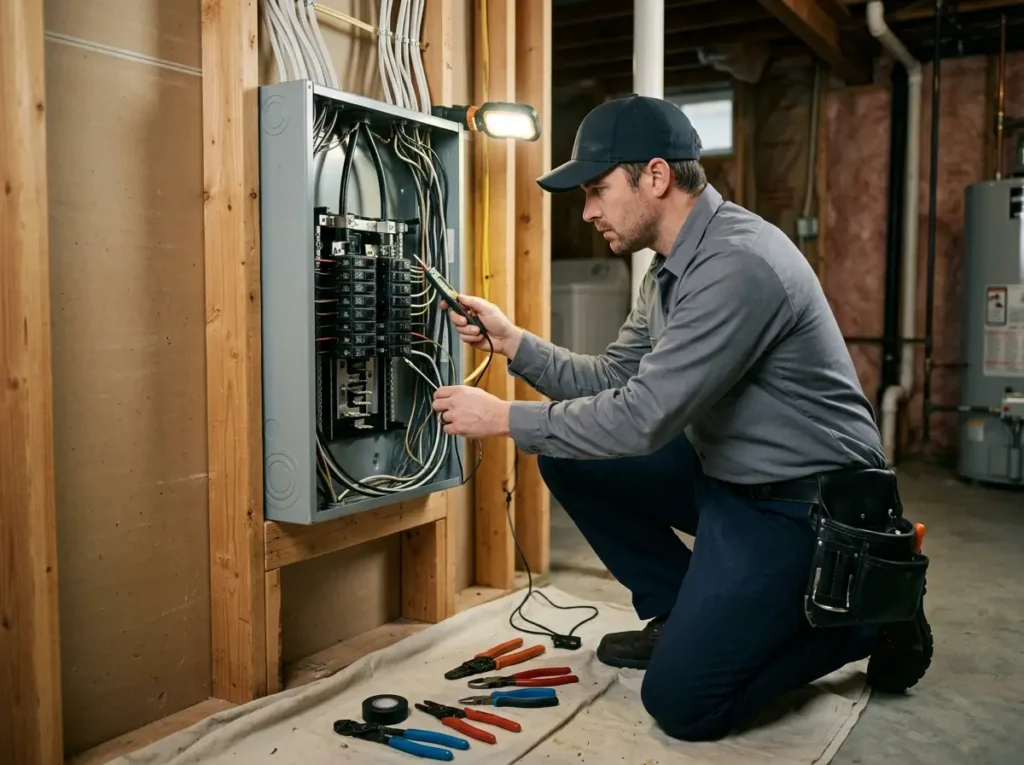
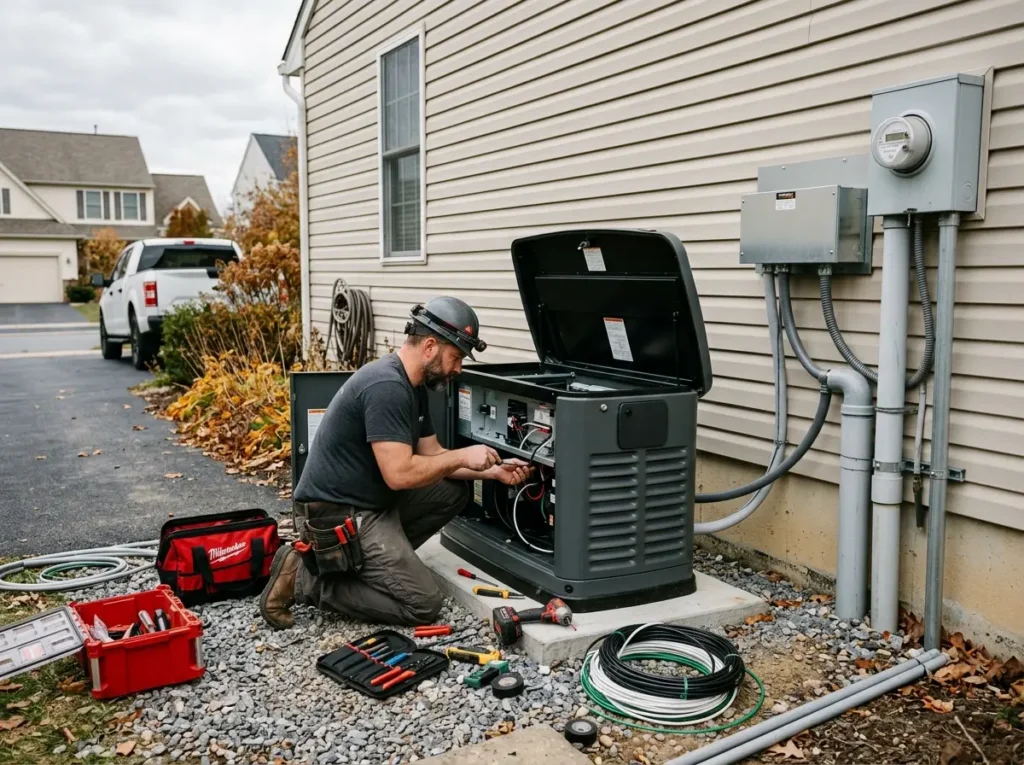
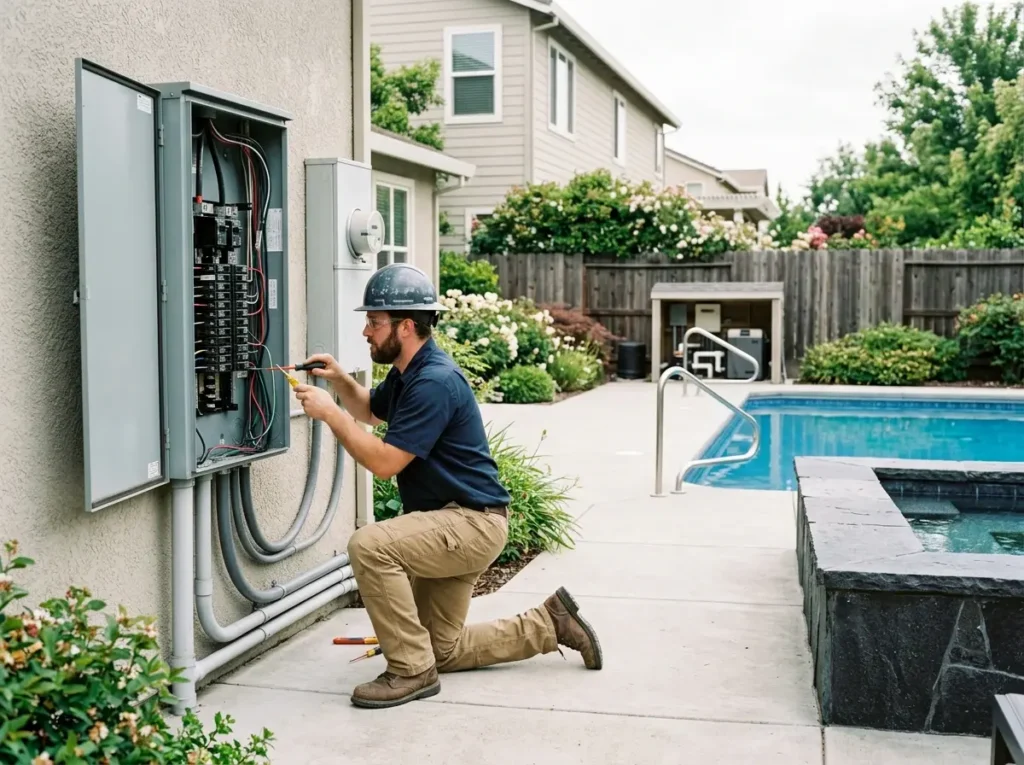
Our organization provides realistic timelines so you know what each job requires. A NEMA 14-50 outlet installation with the panel located in the garage (same wall or adjacent) takes 60 to 90 minutes including breaker installation, wire pull, outlet mounting, and voltage verification. A 240V outlet for EV located in a detached garage requiring trenching and buried conduit runs 4 to 8 hours depending on distance. Hardwired EV charger installation adjacent to the panel takes 90 minutes to 2 hours including charger mounting, conduit or MC cable routing, and configuration. Tesla wall connector installation with wire run from a basement panel to an attached garage (50 to 75 feet) requires 2.5 to 4 hours. Load calculation for EV charging is always performed before any installation — this analysis takes 20 to 30 minutes but determines whether a panel upgrade is necessary. Electrical panel upgrade for EV charger from 100A to 200A takes 5 to 8 hours and is often scheduled separately from the charger installation itself. Complete home EV charging station installation including panel upgrade and hardwired charger typically requires two visits: 5 to 8 hours for the panel and 2 to 3 hours for the charger.
Beyond Plugging In – Load Calculations, Panel Capacity, and Long-Term Reliability
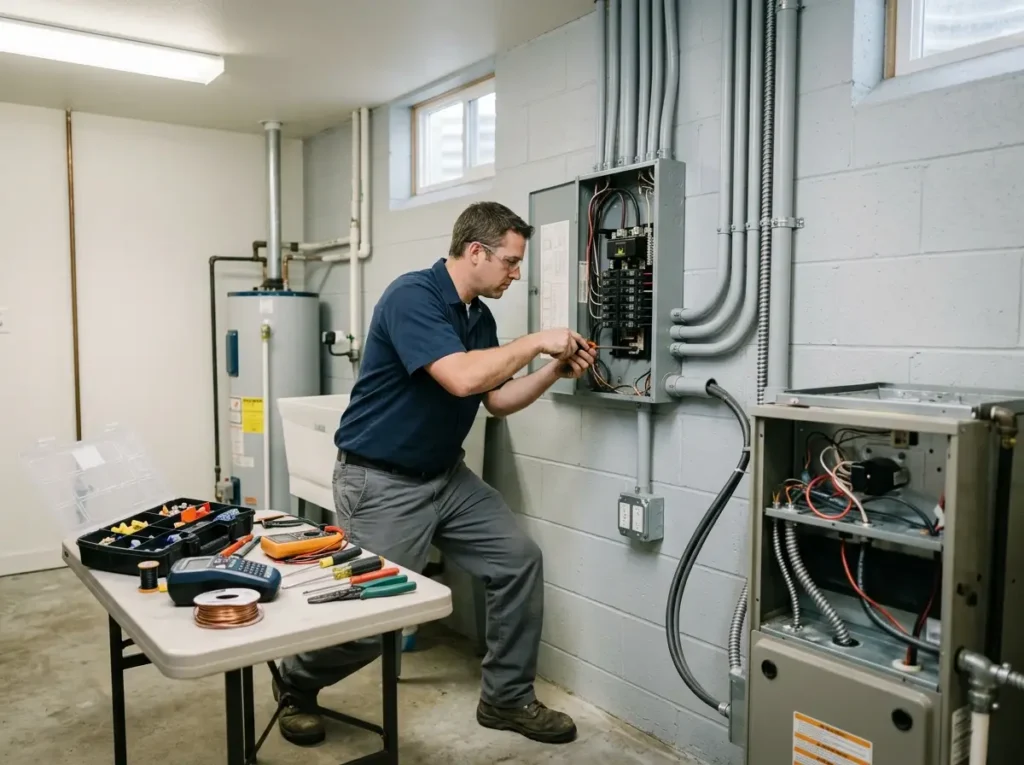
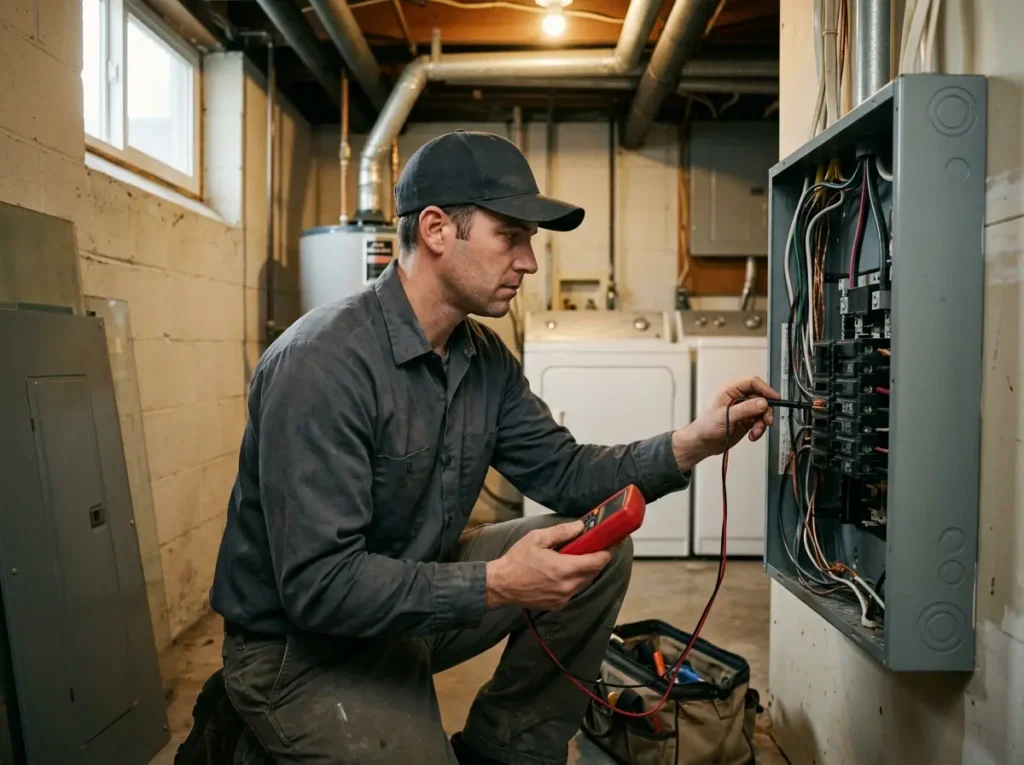
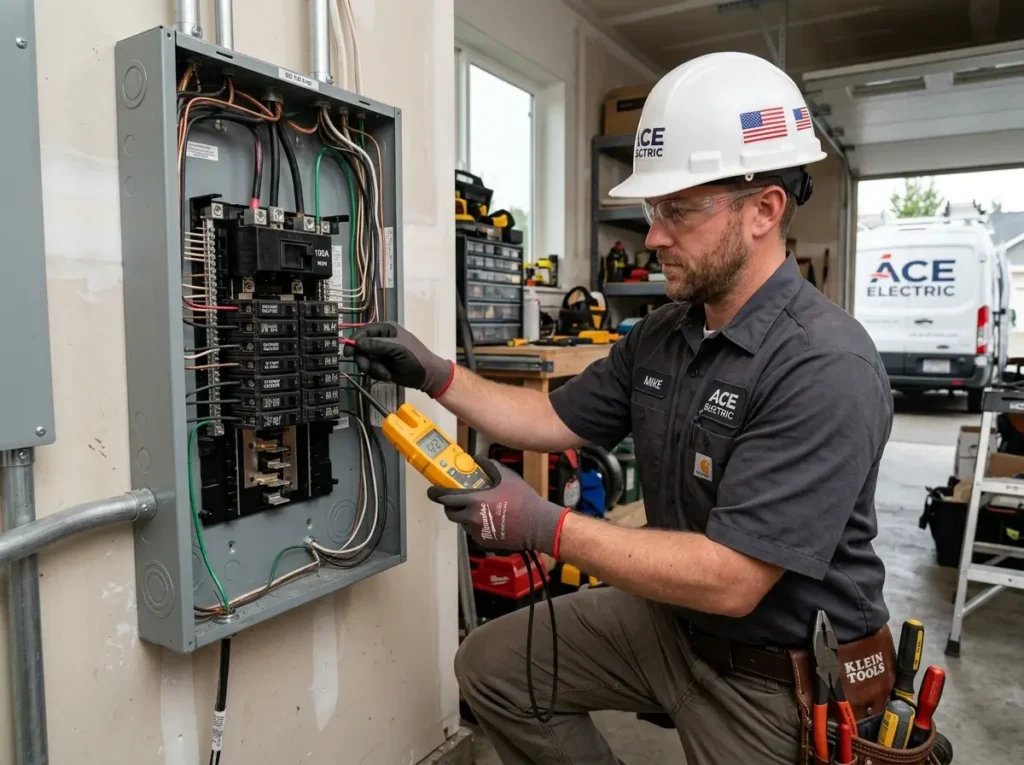
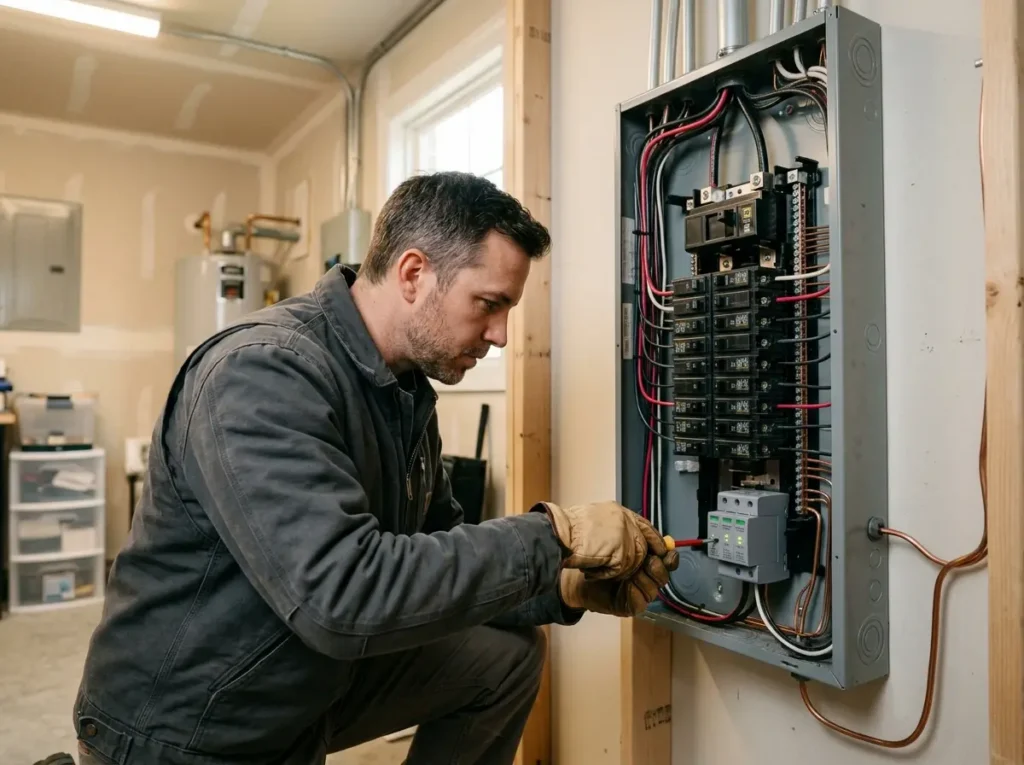
Many homeowners in Little River, Miami do not realize that EV charger installation begins with math, not tools. Our organization performs load calculation for EV charging before quoting any work. We add the amperage of your existing continuous loads (HVAC, dryer, range, water heater, pool pump) to the proposed EV charger demand (typically 32 to 48 amps for Level 2). If the total exceeds 80% of your panel rating, we recommend an electrical panel upgrade for EV charger before proceeding. Running a 48-amp charger on a 100-amp panel that already serves an air conditioner and an electric dryer invites nuisance trips and, worse, gradual overheating of the main breaker. For homes that cannot upgrade immediately, we offer solutions: a 24-amp charger (draws 30 amps continuous) that fits within tighter capacity, or a load management system that automatically reduces charger output when the AC or dryer runs. For clients choosing a 240V outlet for EV instead of a hardwired unit, we install industrial-grade NEMA 14-50 outlet installation receptacles (Hubbell or Bryant) — not the $10 dryer outlets that melt after repeated EV plugging. Hardwired EV charger installation eliminates the outlet entirely, removing a common failure point and enabling higher amperage (up to 80 amps on a 100-amp breaker with appropriate conductors). For Tesla owners, Tesla wall connector installation includes configuration for your specific model and desired amperage, plus integration with the Tesla app for scheduling and monitoring. EVSE installation residential (Electric Vehicle Supply Equipment) always includes GFCI protection within the unit (hardwired) or via a GFCI breaker for plug-in installations — a requirement that many DIY installers miss.
Every EV charger installation concludes with amperage verification under load, termination torque checks, voltage drop measurement, and homeowner demonstration of charging scheduling and monitoring. Our reputation in Little River, Miami rests on chargers that deliver full rated speed year after year without nuisance tripping or overheating. Schedule your EV charger assessment today and stop relying on the slow outlet in your garage.