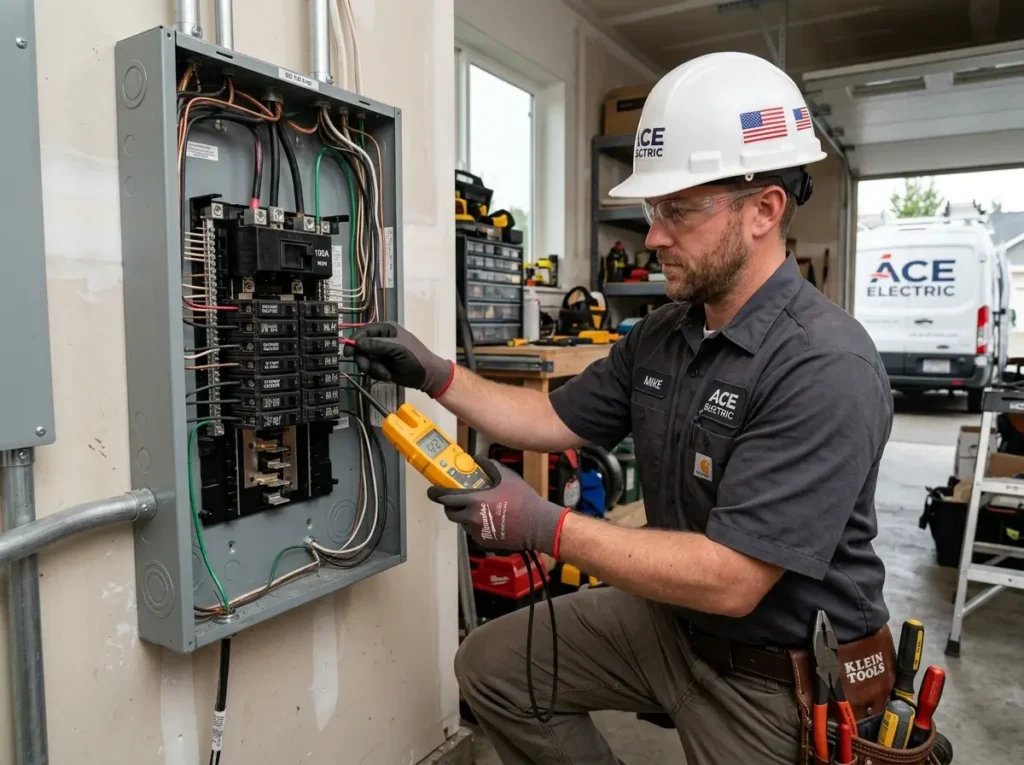
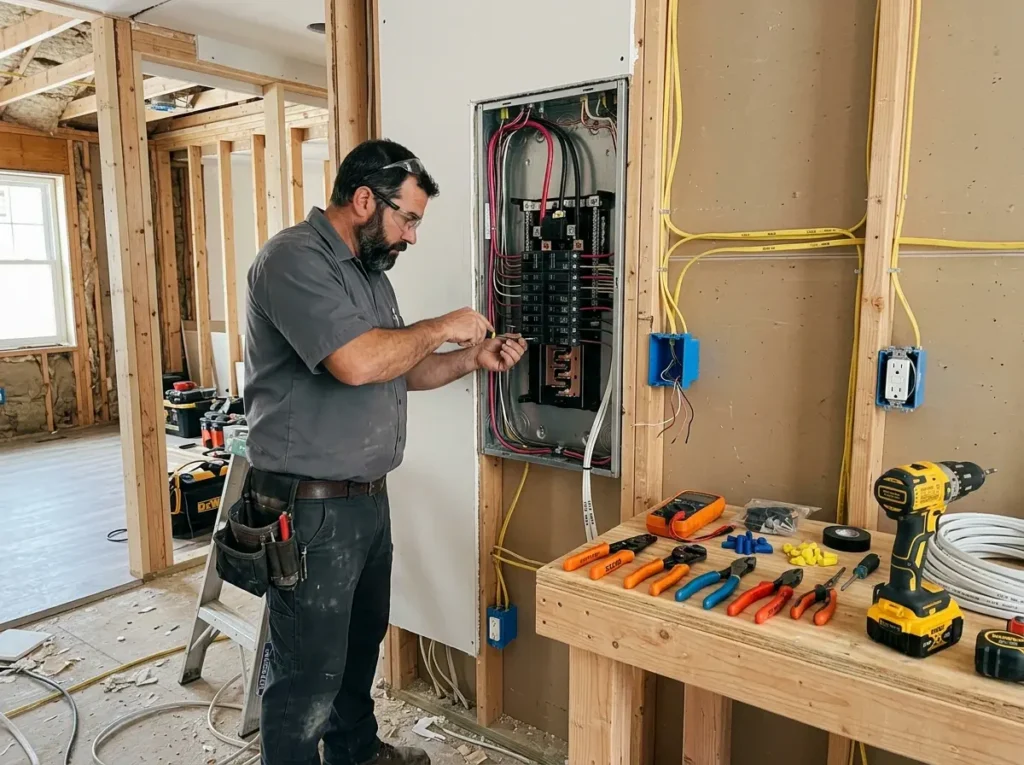
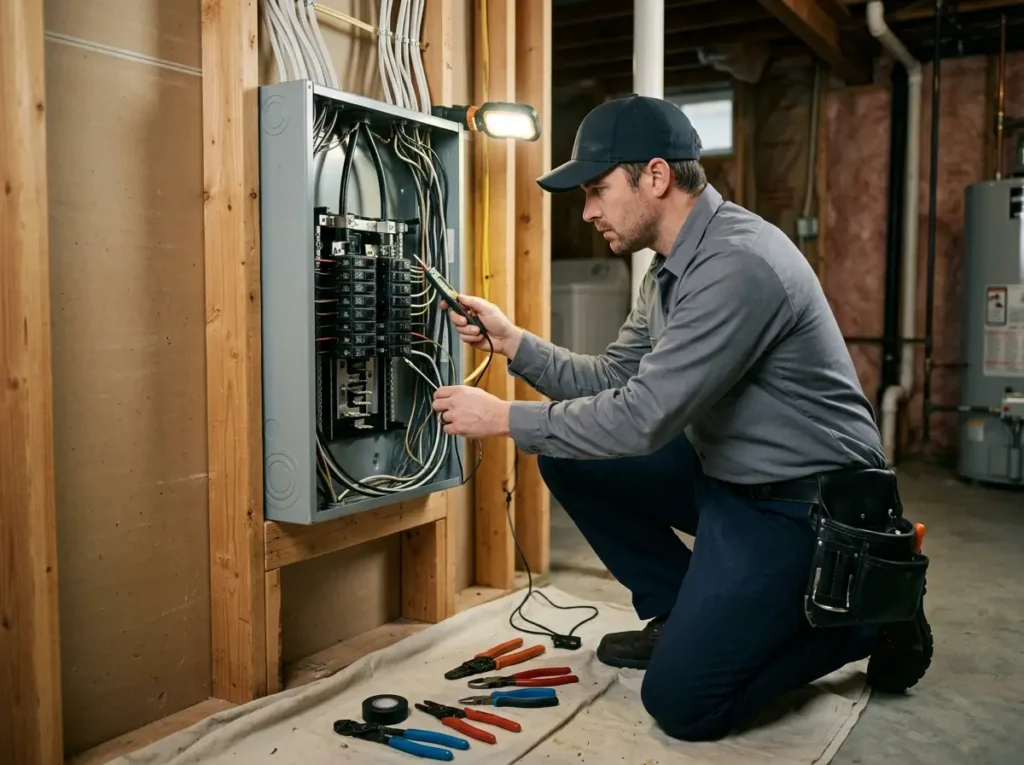
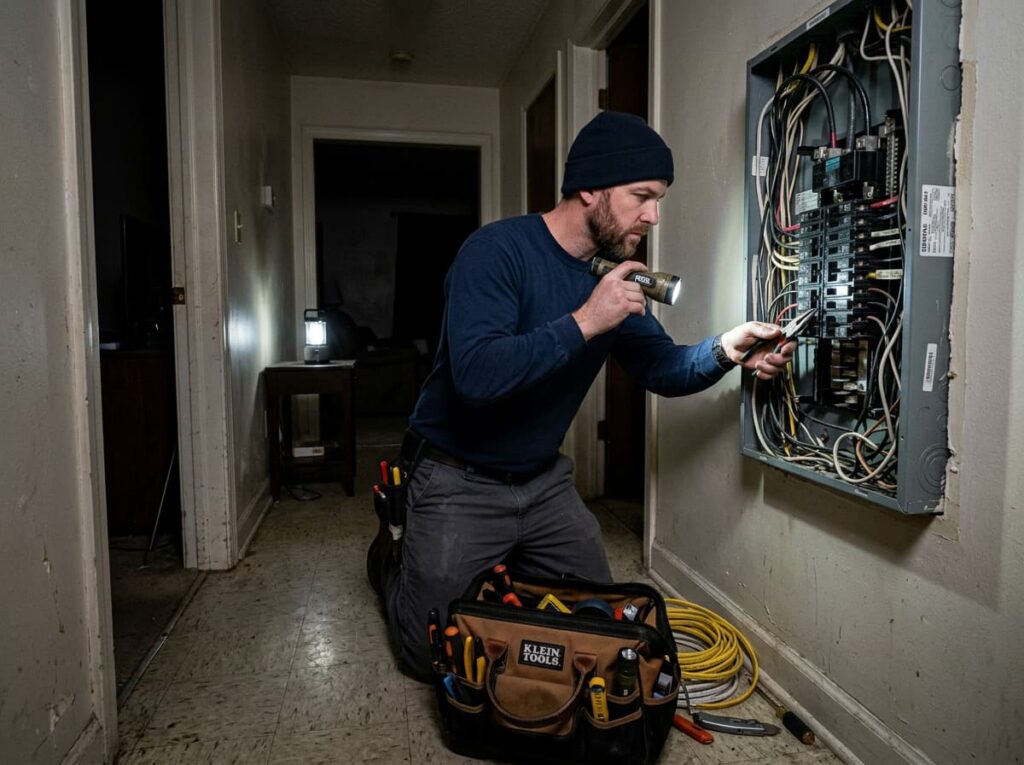
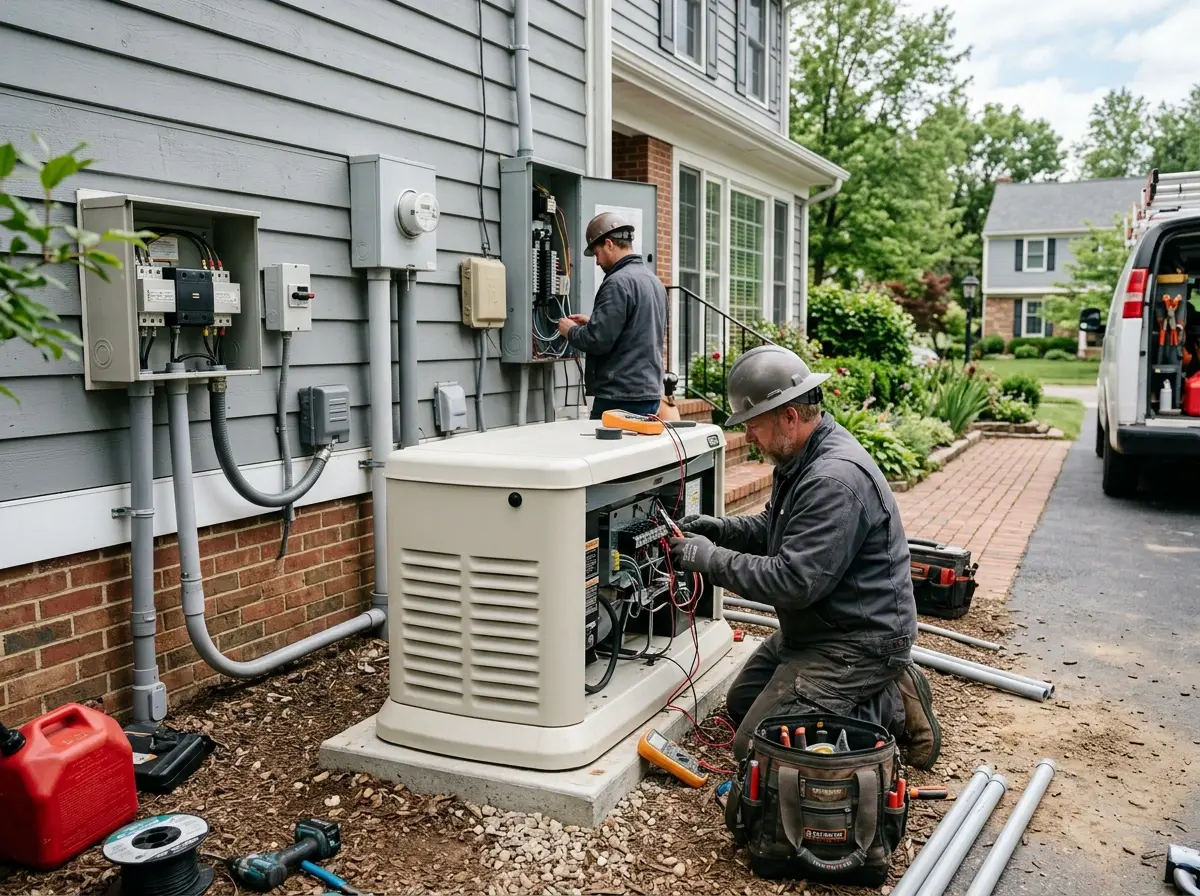
Why Most Miramar Portable Generators Are Connected Wrong (And Dangerously)
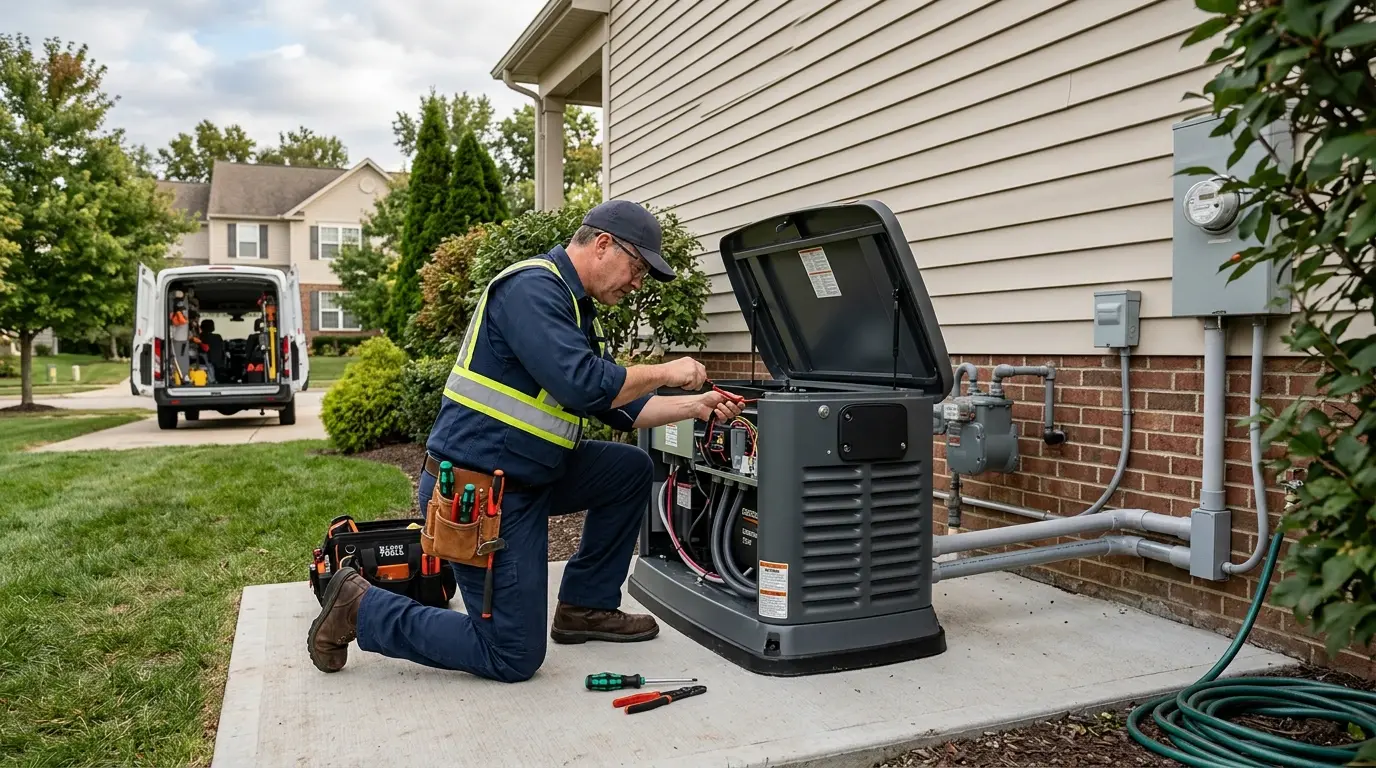
Walk through any Miramar neighborhood after a power outage. You will hear generators running, but look closer — many are connected through a homemade "suicide cord" plugged into a dryer outlet. That setup creates backfeeding danger: electricity flows back through the transformer and up the utility line, energizing wires that linemen assume are dead. Our generator installation service never cuts corners. We install generator transfer switch installation for automatic systems and inlet box plus generator interlock kit for portable units. We also handle whole house generator systems that keep your home running indefinitely during extended outages.
Five Generator Setup Mistakes We Correct Weekly
First, backfeeding through a dryer or range outlet — illegal, deadly, and the reason utility workers die. We replace this with a proper generator interlock kit that mechanically prevents main and generator breakers from closing simultaneously. Second, undersized generator transfer switch installation that cannot handle startup surges from well pumps or furnaces. We calculate locked rotor amps and recommend switches rated for 3x running current. Third, portable generators left in garages or near windows — carbon monoxide poisoning kills dozens each year. We install the inlet box on the exterior, at least 20 feet from any window or door. Fourth, no load shedding for whole house generator systems, causing the generator to trip when AC, dryer, and oven run together. We install load shedding modules that disconnect non-essential circuits during overload. Fifth, the wrong fuel type — natural gas vs propane decision made without understanding that natural gas generators lose 10-15% power compared to propane, affecting startup capability for large AC units.
Every generator installation we complete in Miramar includes these safety and performance steps:
- Fuel type assessment — natural gas vs propane based on your home's gas line capacity, tank size, and local availability
- Inlet box placement — exterior wall, at least 2 feet above grade, 20 feet from windows/doors, labeled "GENERATOR INPUT"
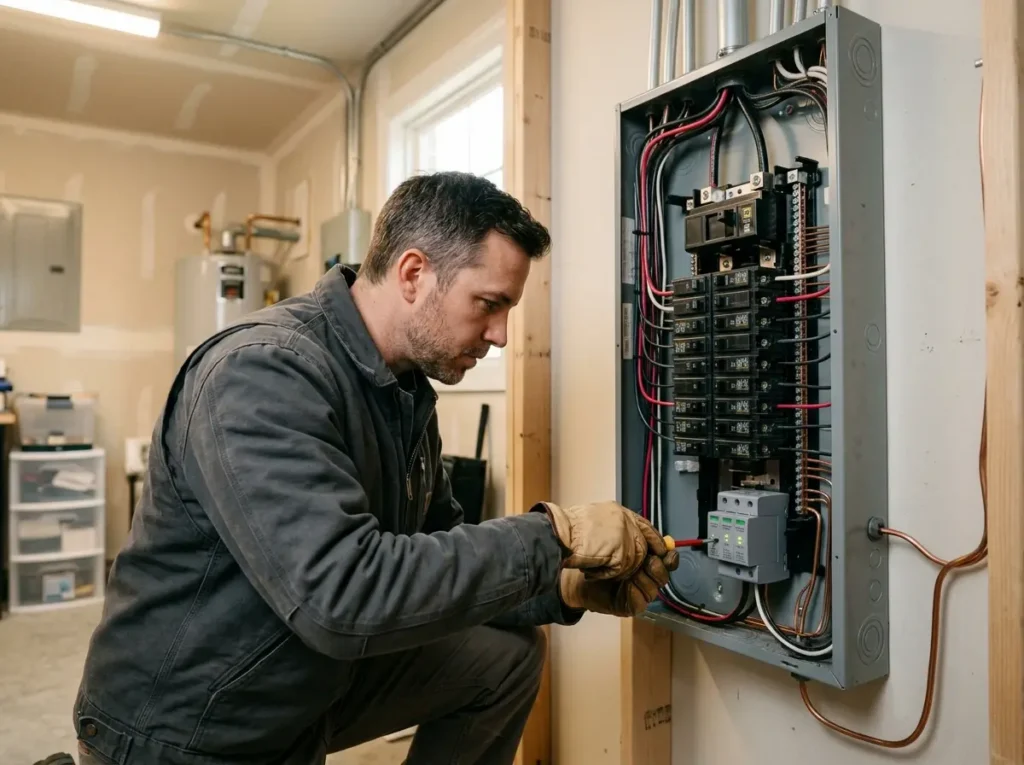
- Generator interlock kit installation — sliding metal plate mounted on panel cover, UL listed for your specific panel brand
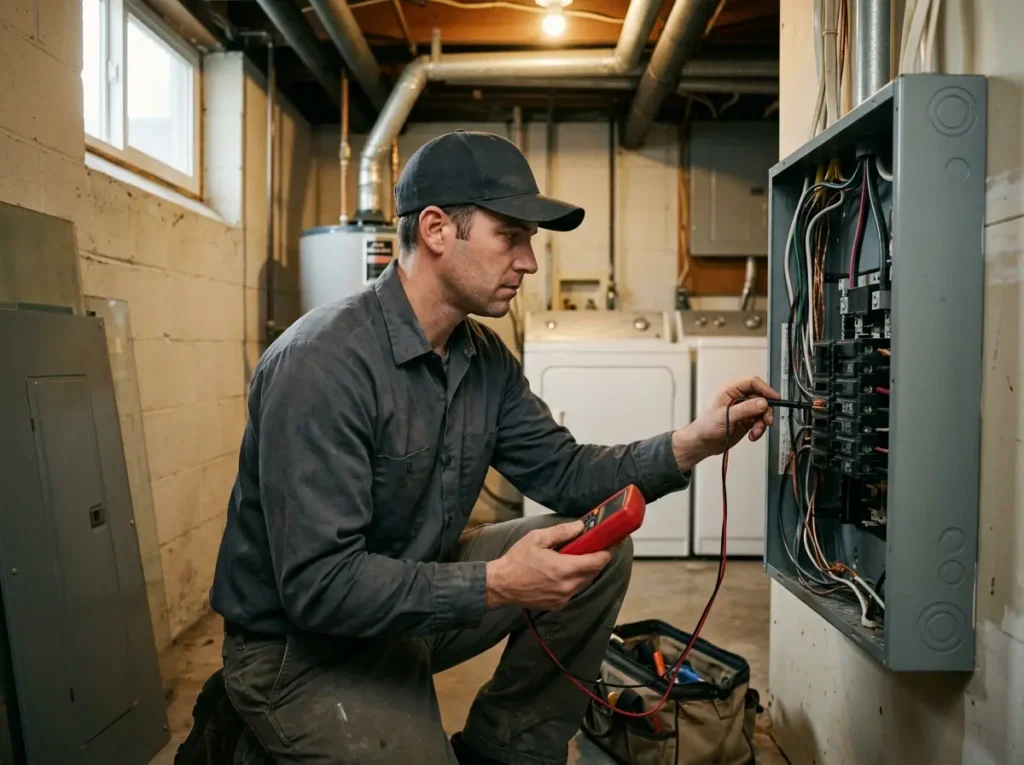
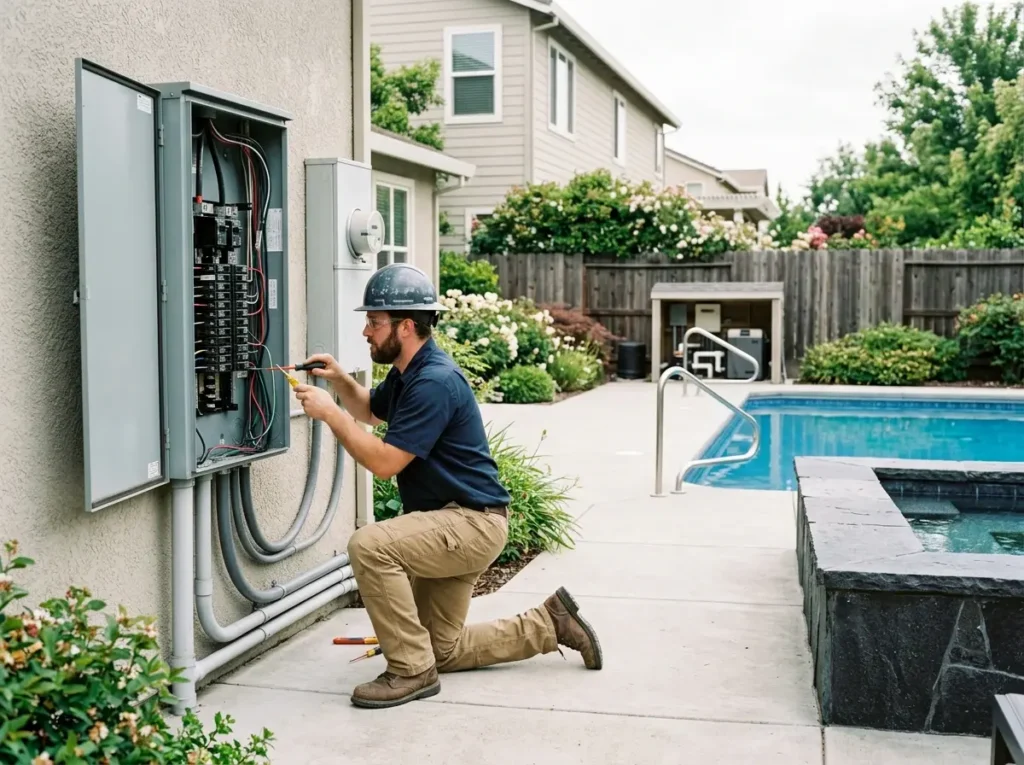
- For generator transfer switch installation — we wire the switch between meter and main panel, with prioritized circuits on essential loads panel
- Load shedding installation for whole house generator — current sensors on AC, dryer, oven, and EV charger, with remote disconnect relays
- Cold weather prep — battery tender, oil warmer, and propane tank heater for Miramar winter installations
- Final backfeeding danger test — we verify zero voltage on utility side when generator is running and main breaker is off
How Long Does Generator Installation Take?
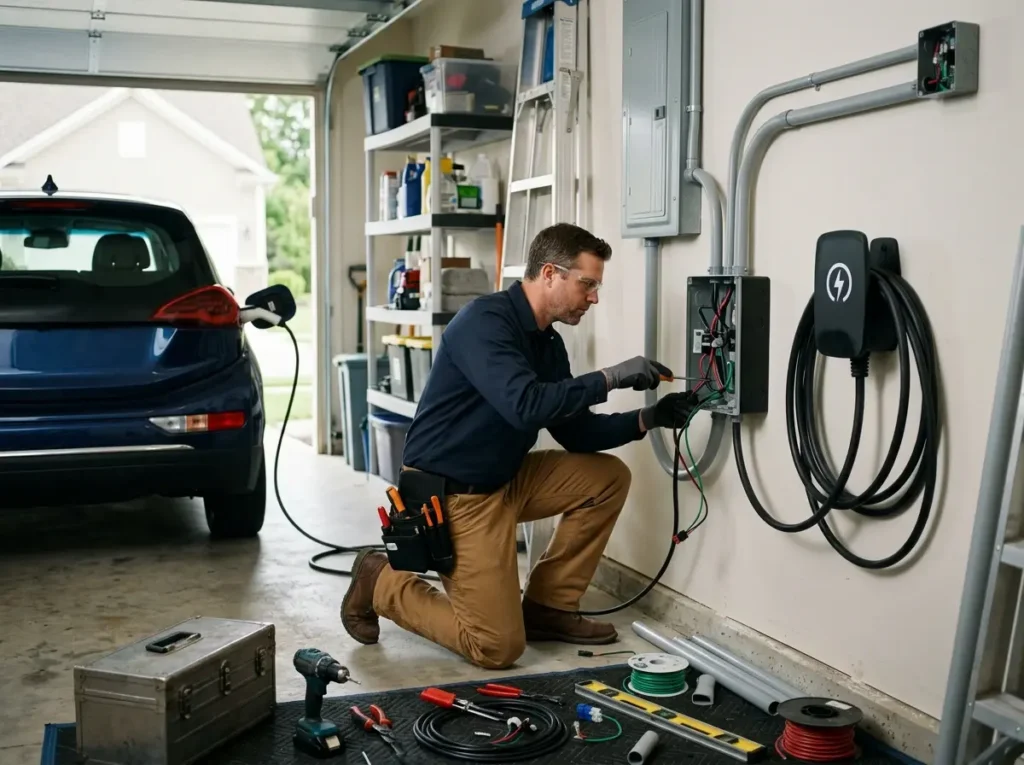
A portable generator hookup with inlet box and generator interlock kit takes 3 to 5 hours. We mount the exterior inlet box (drilling through siding or brick), run 10/3 or 8/3 cable from the inlet to the main panel, install the generator interlock kit on the panel cover (requires removing the cover, drilling holes, mounting the interlock plate), and wire a new 30A or 50A double-pole breaker for the inlet. We also label the breaker "GENERATOR" and the interlock cover plate, and demonstrate safe startup/shutdown sequence. A generator transfer switch installation for a portable generator (manual transfer switch with 6-10 prioritized circuits) takes 4 to 6 hours. We mount the transfer switch next to your main panel, move designated circuits from the main panel into the transfer switch, run 10/3 cable from the generator inlet to the transfer switch, and label every circuit ( "FRIDGE", "FURNACE", "SUMP PUMP", etc.). A whole house generator installation with automatic transfer switch (ATS) for a 22kW unit takes one to two full days. Day one: pour concrete pad, run gas line, install generator, run low-voltage control wiring from generator to ATS. Day two: install ATS between meter and main panel, connect generator output to ATS, program exercise cycle, test automatic start and transfer, load shedding configuration. If your Miramar home requires a natural gas line extension from the meter, we coordinate with a licensed plumber (or your plumber) who typically needs 2-4 hours. If your existing gas meter is undersized for a 22kW generator (which draws 200-250 cubic feet per hour), the gas utility must upgrade the meter — a separate process taking 1-2 weeks. For a portable generator inlet installation in a finished basement where the main panel is far from an exterior wall, we may need to fish wire through finished ceilings, adding 2-3 hours. The most time-consuming Miramar scenario is a whole house generator installation on a property with no natural gas service, requiring a propane tank installation (500 or 1000 gallon) before we can even start. That adds a separate contractor and 1-2 weeks. We always provide a written estimate with line items for our electrical work, plus estimated costs and timelines for plumber, gas utility, and propane tank if required.

Why Generator Interlock Kit Beats a Transfer Switch for Portable Generators (Most of the Time)
A generator interlock kit costs $50-100 and allows you to power any circuit in your panel up to the generator's capacity. A 6-circuit manual transfer switch costs $400-600 but only powers the 6 circuits you pre-selected — what if you need a different circuit during an outage? The interlock kit gives you flexibility to choose which circuits to power based on your current needs (maybe you skip the AC but run the well pump and freezer). However, the interlock kit requires that you understand how to manage your generator's load — running too many circuits will trip the generator. A transfer switch prevents overload by only offering pre-selected circuits. We help Miramar homeowners decide based on their comfort with manual load management. For whole house generator installation, automatic transfer switch (ATS) is mandatory — you cannot use an interlock with an automatic generator because the interlock requires human action. The ATS includes a controller that monitors utility voltage, starts the generator when voltage drops below 80% for 5 seconds, and transfers the load after generator reaches stable frequency (typically 10-15 seconds). When utility returns, the ATS transfers back and runs the cooldown cycle before shutting off the generator. For large homes with central AC, we install load shedding modules that monitor generator output frequency. When the generator approaches overload (frequency drops below 58Hz), the load shedding module disconnects the AC compressor until other loads drop off. For natural gas vs propane decisions, natural gas generators produce slightly less power (about 10-15% derating) because natural gas has lower BTU content per cubic foot than propane. If your Miramar home has a 4-ton AC unit requiring 80A of startup surge, a natural gas generator may struggle while a propane generator of the same kW rating would handle it easily. We calculate your actual startup current for HVAC, well pump, and sump pump before recommending a generator size and fuel. For backfeeding danger prevention, we install a visible indicator light on the exterior of your home that illuminates when the main breaker is open (generator powering the home). This warns any utility worker passing by that your home is backfeeding — though with our proper generator transfer switch installation or generator interlock kit, backfeeding cannot happen because the main breaker is physically disconnected from the generator circuit. We still install the indicator light as a second layer of safety. Every generator installation we complete in Miramar includes a laminated instruction card zip-tied to the generator detailing safe startup, shutdown, load management, and maintenance schedule (oil change every 50 hours, valve adjustment every 200 hours for air-cooled units).
Call our generator team in Miramar before the next storm hits. We will keep your home powered safely, legally, and automatically if you choose.