Appliance & HVAC Electrical Hookups in Lake Underhill, Orlando – Correct Circuits Stop Callbacks
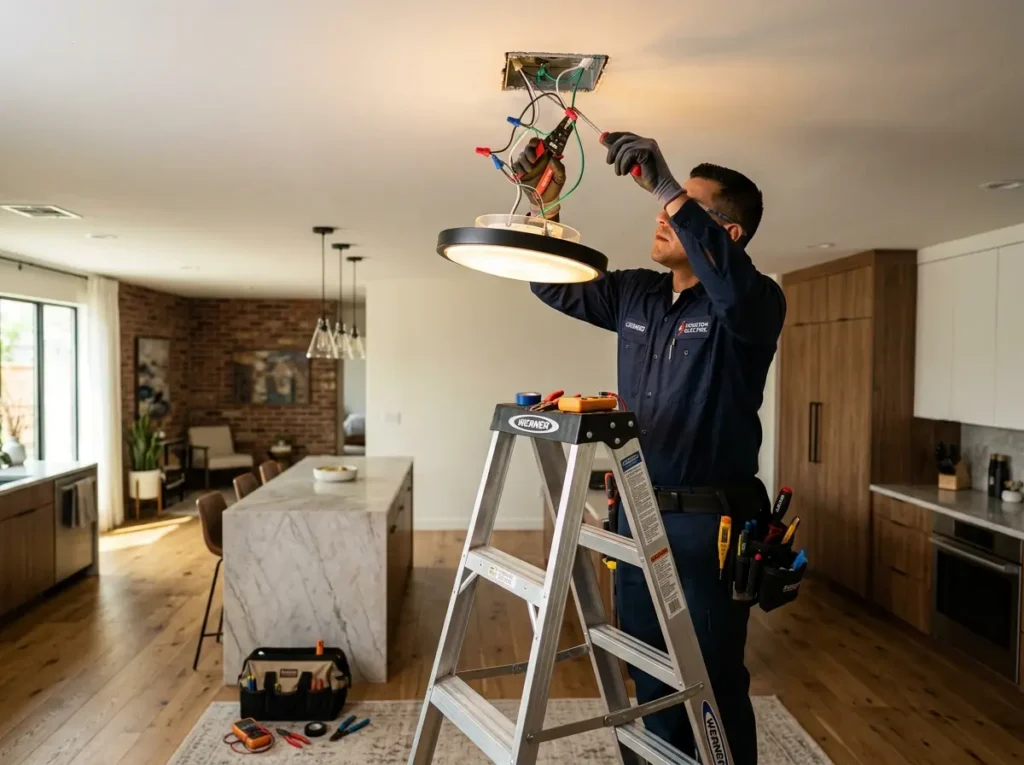
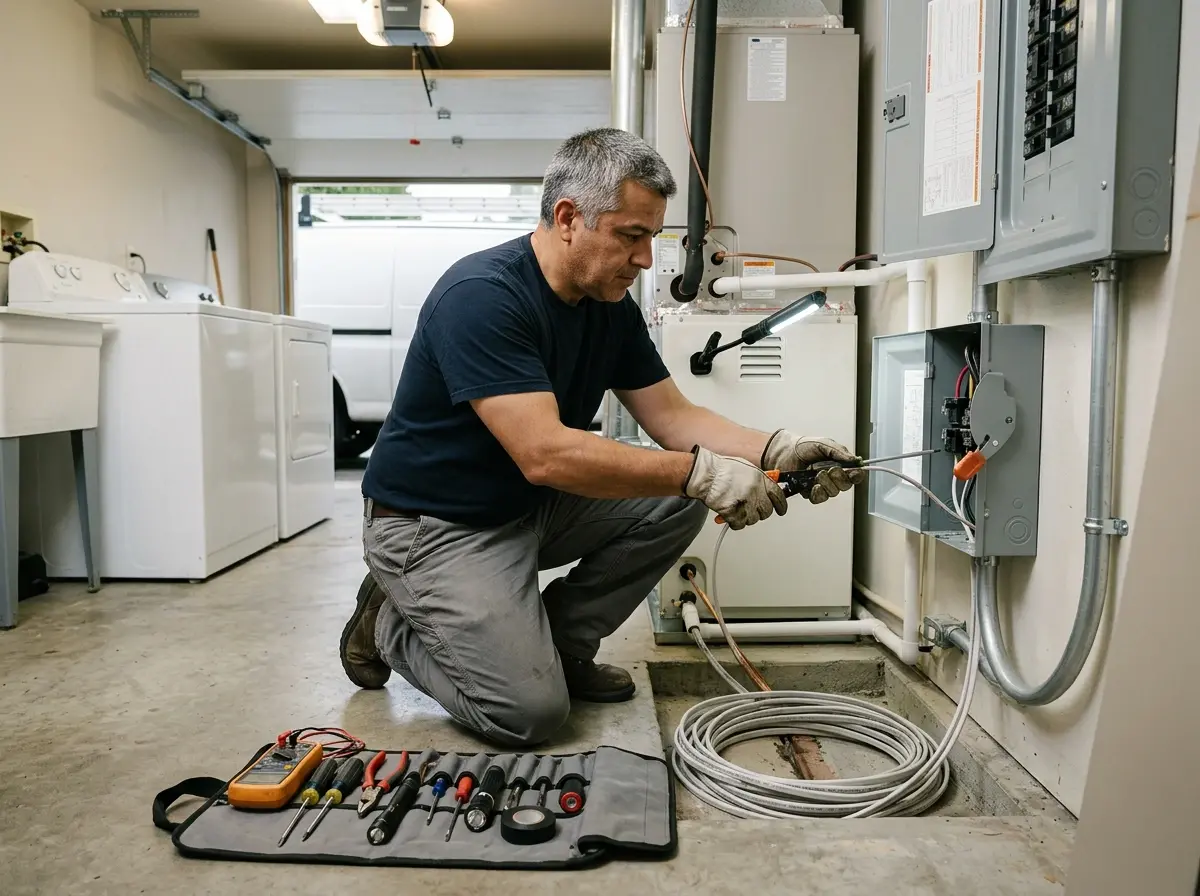
A new electric stove that trips the breaker every time the oven preheats. A dryer that takes twice as long to dry clothes because voltage drops under load. A dishwasher that runs fine but occasionally resets its own control board mid-cycle. These are not appliance defects. They are electrical installation failures. Homeowners in Lake Underhill, Orlando who pay for professional appliance hookup electrician services avoid these frustrations entirely. Our organization designs and installs dedicated circuits, verifies existing branch capacity, and terminates every connection to manufacturer specifications.
What Goes Wrong Without Proper Electrical Hookups
Most appliance problems blamed on the machine itself trace back to the circuit feeding it. Our team diagnoses these exact scenarios every week for Lake Underhill, Orlando residents:
- A new electric stove installation connected to an undersized 40-amp breaker protecting 8-gauge wire, when the appliance nameplate clearly calls for 50 amps and 6-gauge
- Dryer outlet installation performed with a three-prong receptacle in a home built after 1996, violating code that requires four-prong with separate ground and neutral
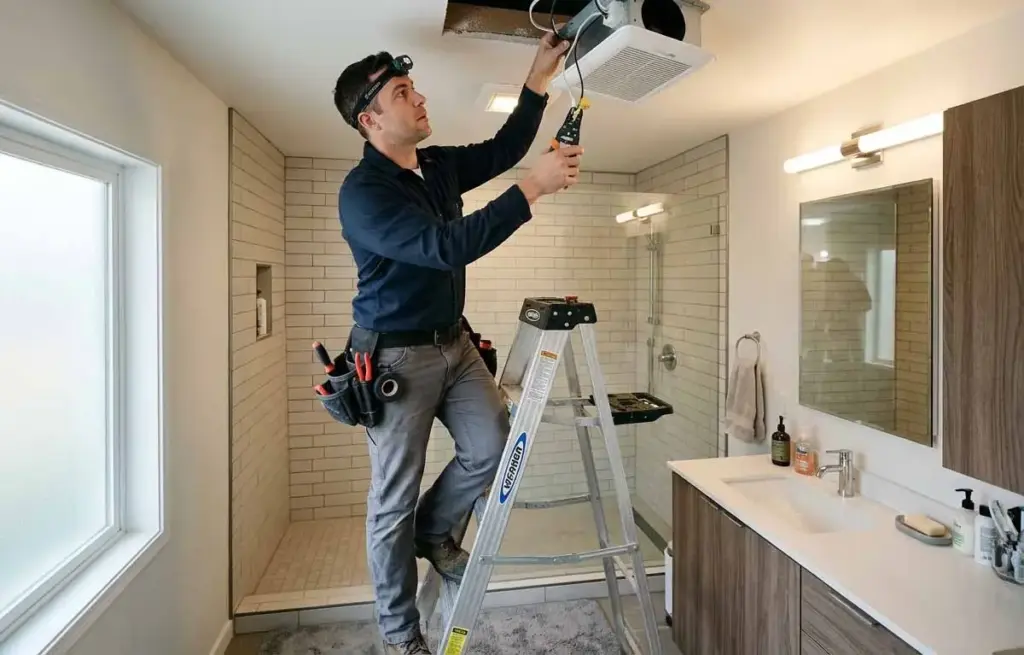
- Range hood installation wired into the nearest lighting circuit, causing lights to dim every time the hood fan runs at high speed
- Dishwasher electrical connection sharing a circuit with the garbage disposal, tripping the GFCI when both run simultaneously during dish cleanup
- Water heater wiring with a standard breaker when code now requires a disconnect within sight of the tank (often missing entirely)
These mistakes waste time, shorten appliance lifespans, and in some cases create fire hazards. A 240v outlet wiring job with loose terminals generates heat at the connection point. A dedicated circuit installation that shares a neutral with another branch circuit creates return path confusion that can trip GFCIs randomly. Our organization prevents every one of these outcomes through systematic verification before termination.
Time Estimates for Appliance and HVAC Electrical Work
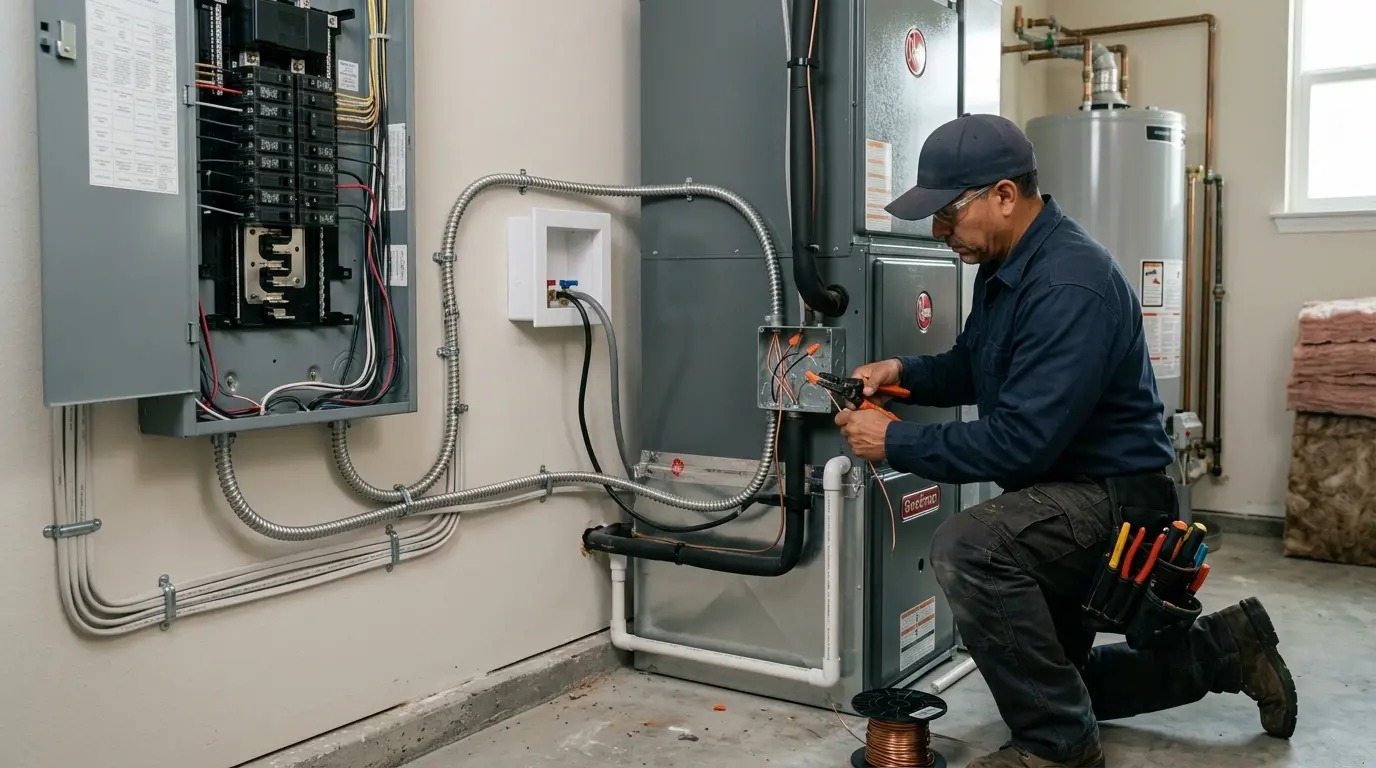
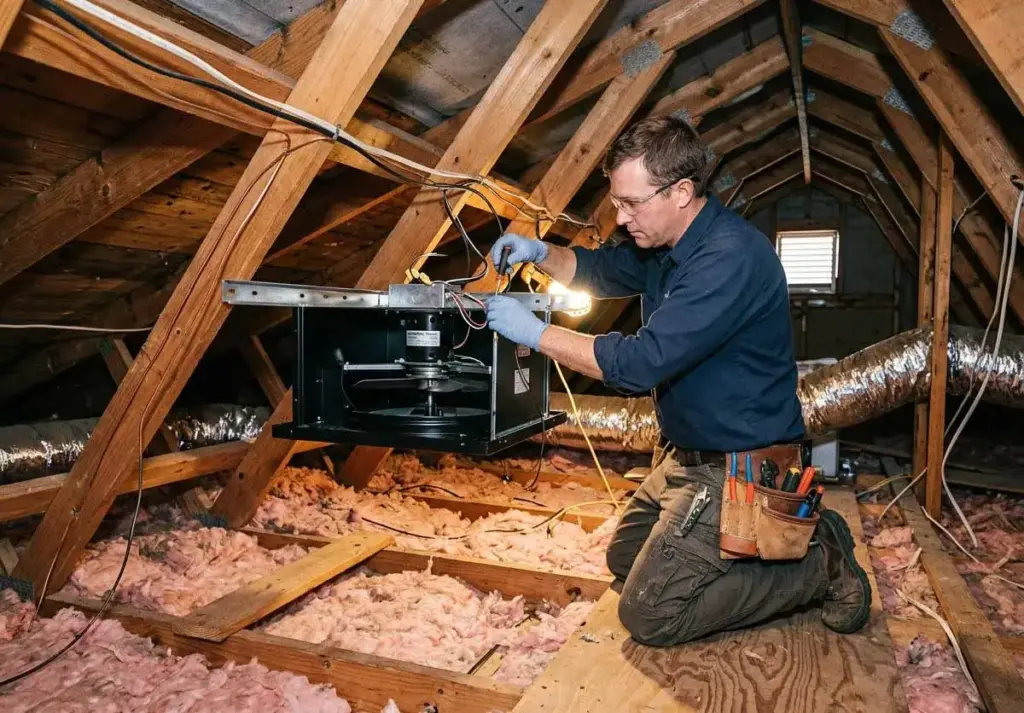
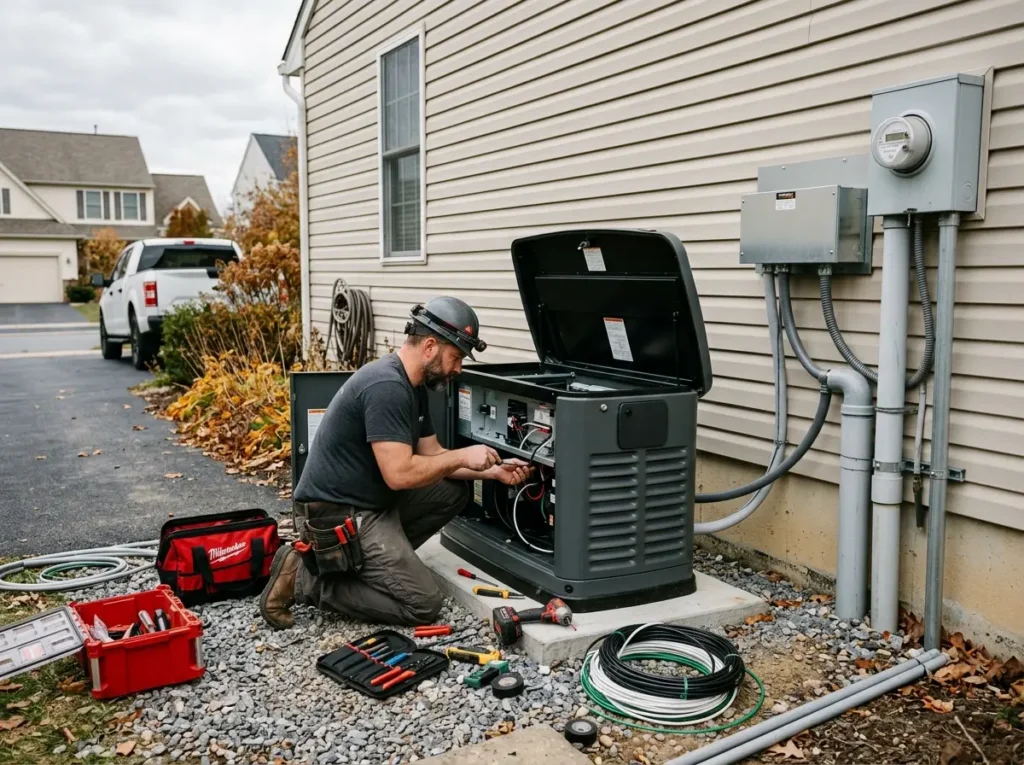
Our organization provides realistic timelines so you know what each job requires. A basic appliance hookup electrician visit for an existing 120V appliance (dishwasher, disposal, refrigerator, washing machine) where the circuit already exists and is correctly rated takes 20 to 40 minutes including cord connection, push-in verification, and grounding check. Dryer outlet installation when the wire is already pulled to the location (old outlet replacement or style conversion) runs 30 to 50 minutes including breaker verification and strain relief. Electric stove installation for a slide-in or freestanding range on an existing 240V circuit takes 40 to 60 minutes including anti-tip bracket verification. New circuit for appliance installation when pulling wire from the panel through an unfinished basement or attic to the appliance location runs 2 to 3 hours. Range hood installation requiring a new dedicated circuit (often overlooked by contractors) takes 2 to 4 hours depending on access. Dishwasher electrical connection with a new dedicated circuit through finished cabinetry runs 2.5 to 4 hours. Water heater wiring with disconnect installation takes 1.5 to 2.5 hours. For HVAC electrical installation involving a new mini-split or central AC condenser, including exterior disconnect box, whip installation, and breaker, expect 2 to 3 hours per outdoor unit plus additional time for indoor head wiring.
Beyond Simple Plug-Ins – Sizing, Protection, and Code Compliance
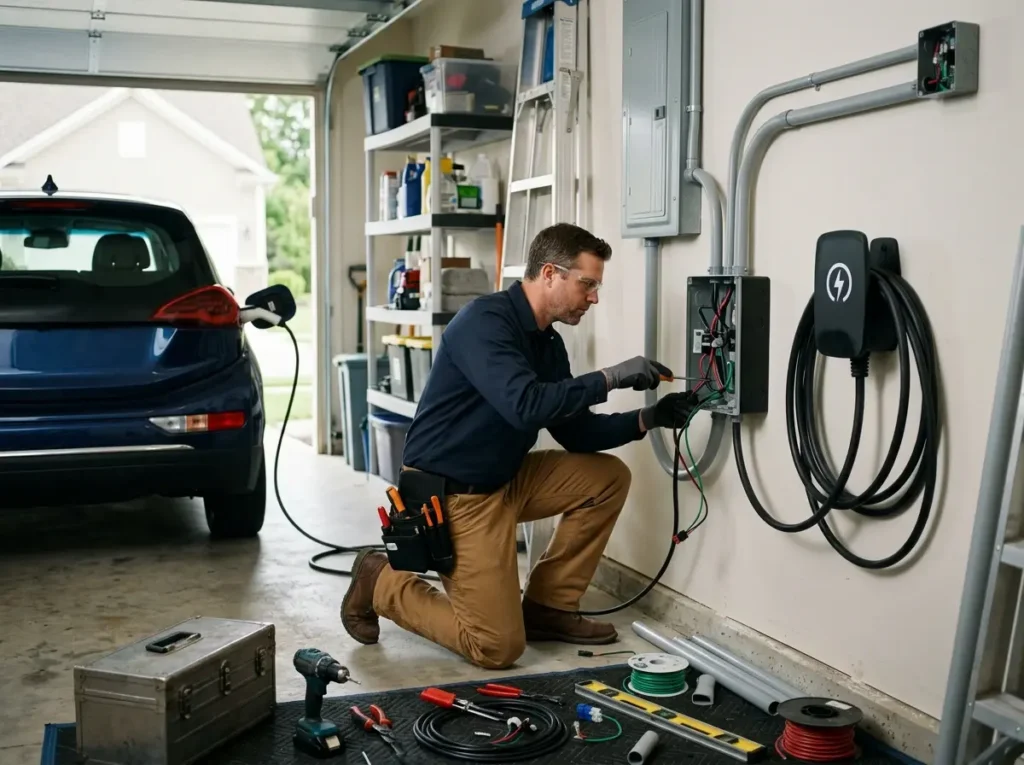
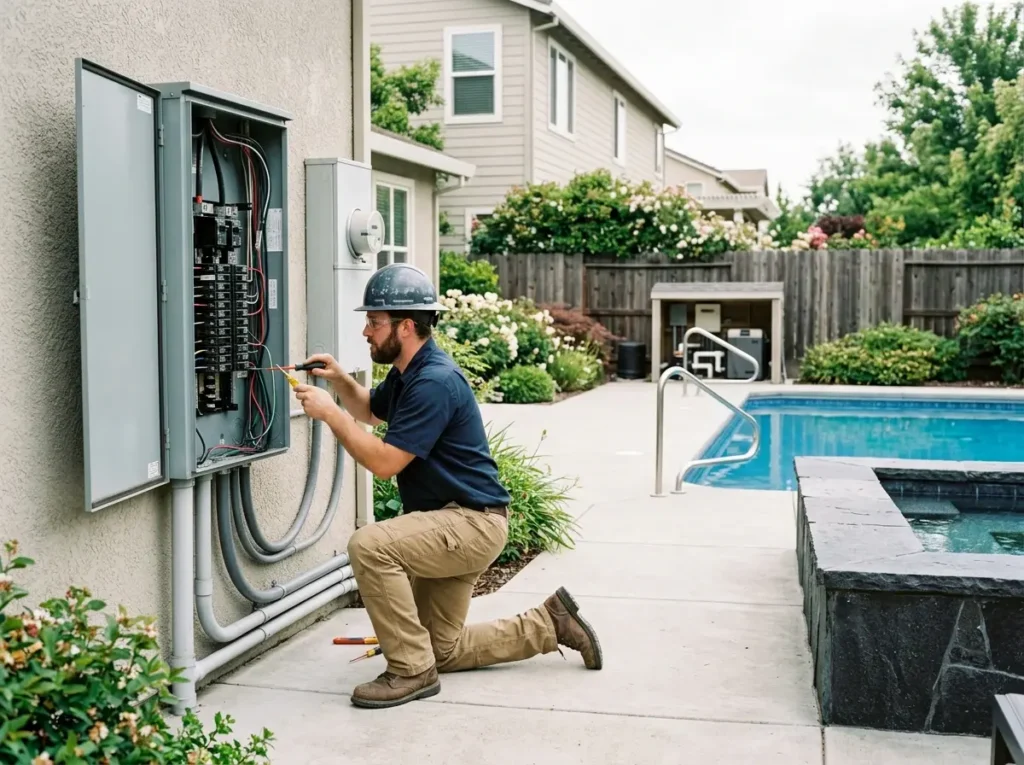
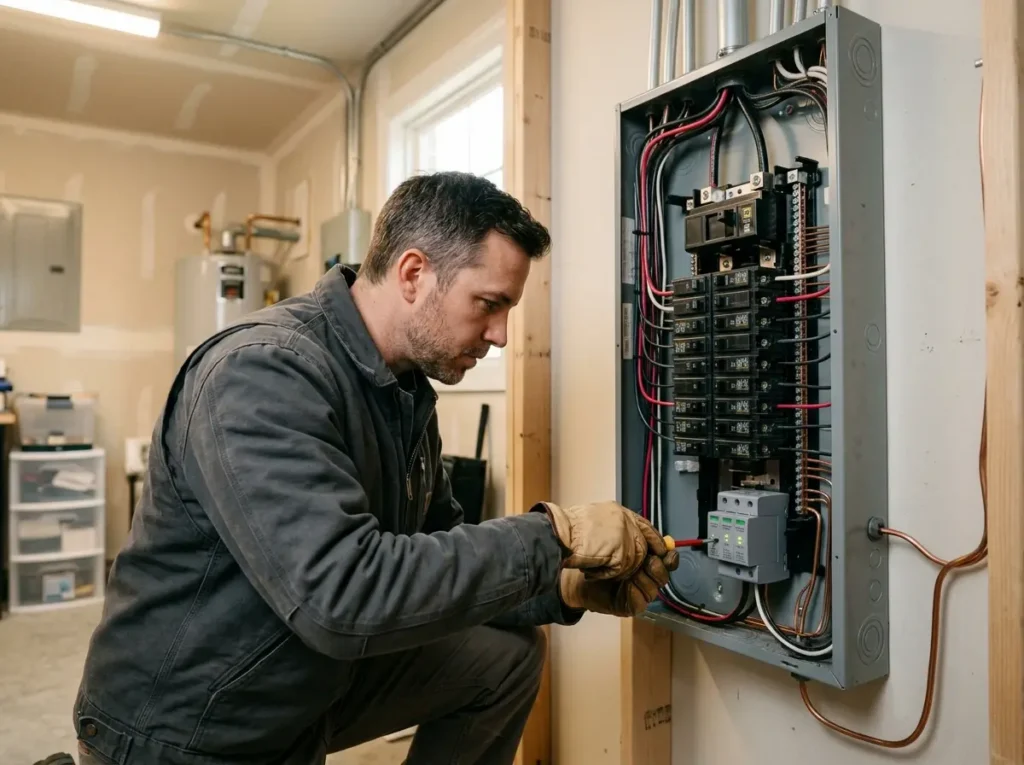
Many homeowners in Lake Underhill, Orlando assume that if a plug fits, the circuit is correct. This assumption fails regularly. Our organization performs branch circuit calculations before connecting any new appliance. An electric range requires a dedicated 120/240V circuit sized per nameplate — typically 40 or 50 amps with 8 or 6 AWG copper. A dryer outlet installation requires a 30-amp, 240V circuit with 10 AWG wire minimum, and since 1996, a four-prong receptacle with separate neutral and ground. Water heater wiring for a standard 40-gallon unit needs a 30-amp, 240V circuit with 10 AWG wire and a disconnect within sight — either a breaker lock or a separate switch. Dedicated circuit installation for a dishwasher and disposal can share a 20-amp circuit only if both are cord-and-plug connected and the circuit is not overloaded, but our organization recommends separate circuits for new construction. For HVAC electrical installation, a mini-split requires a dedicated 240V circuit sized per manufacturer specifications, an exterior disconnect within sight of the outdoor unit, and correctly torqued line-side connections. A central air conditioner condenser needs a nameplate-rated breaker, often with a higher magnetic trip tolerance (HACR type).
Our organization also addresses the subtle but critical detail of GFCI and AFCI requirements. Dishwasher electrical connection in a kitchen requires GFCI protection under current codes. Washing machine circuits in laundry rooms need GFCI as well. Many existing homes lack this protection, leaving homeowners unaware until a fault occurs. We test every circuit for ground integrity and recommend retrofits when necessary. Each job concludes with amp draw measurement under load, terminal torque verification, and appliance function testing. Our reputation in Lake Underhill, Orlando rests on appliance hookups that perform correctly from day one and continue working for years. Schedule your appliance or HVAC electrical installation and let us make your new equipment behave exactly as the manufacturer intended.