
What Your Springfield Home's Electrical Panel Is Hiding From You
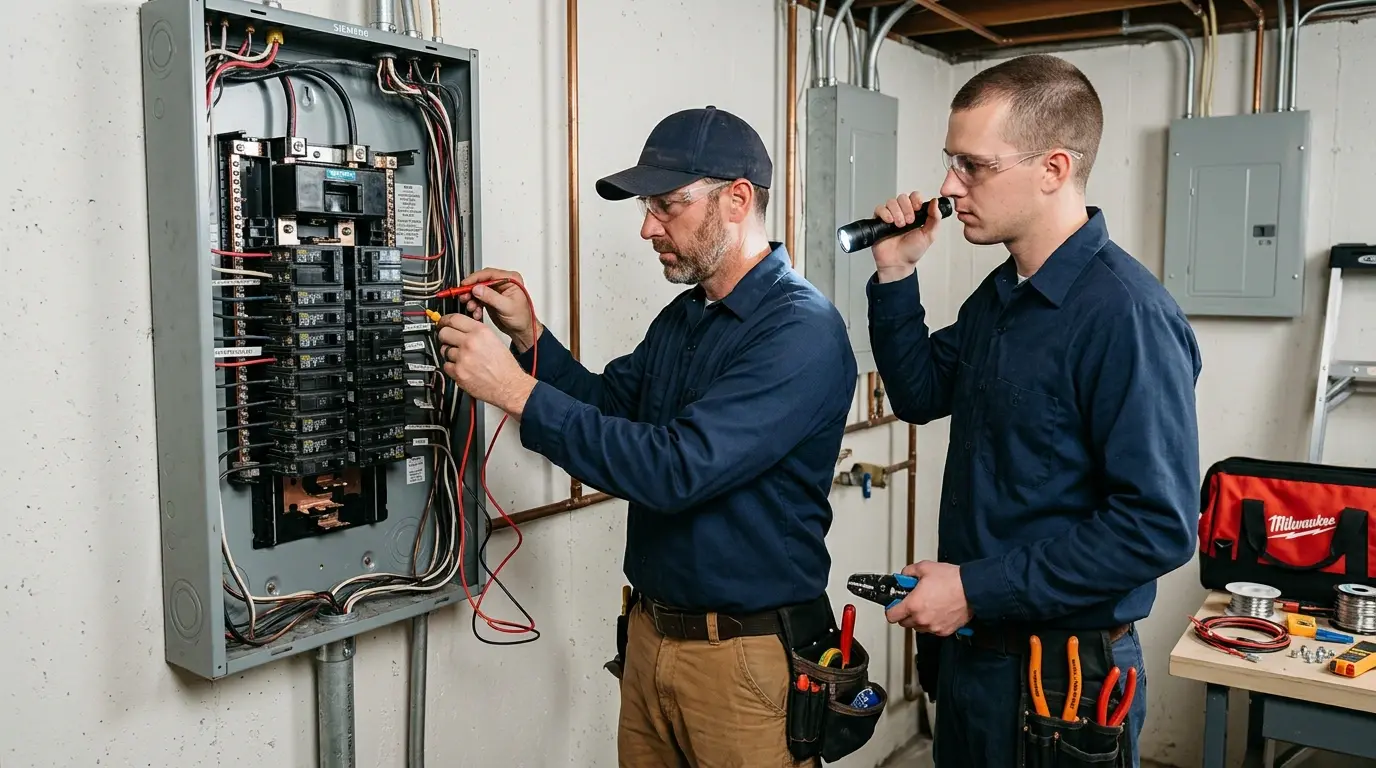
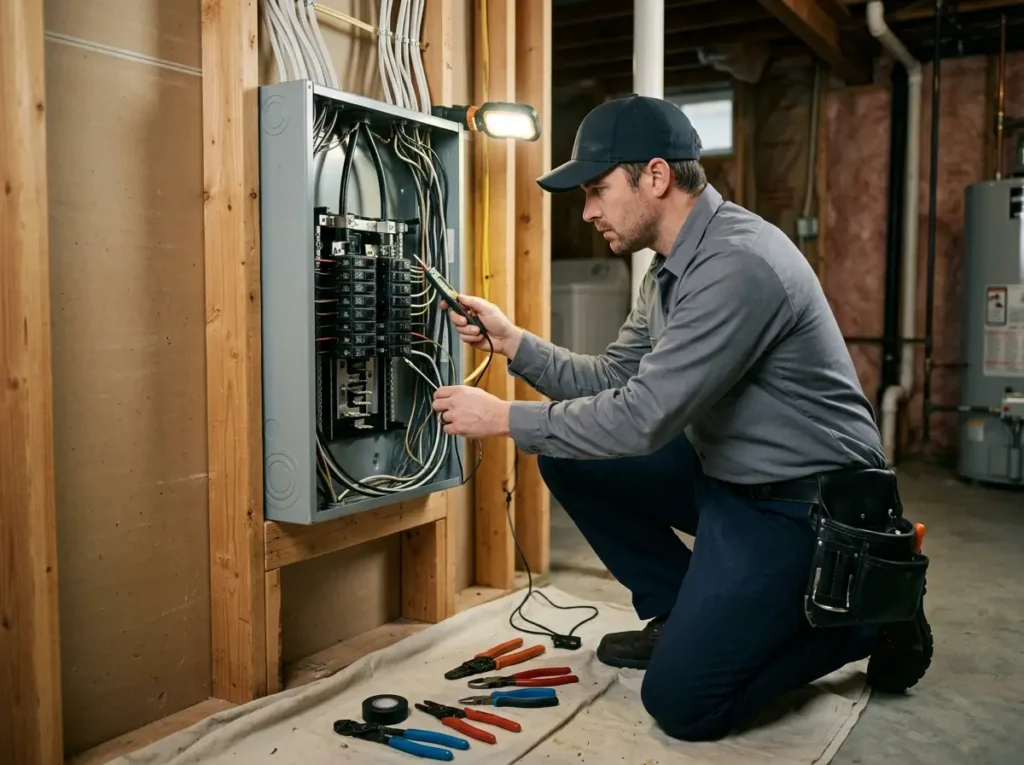
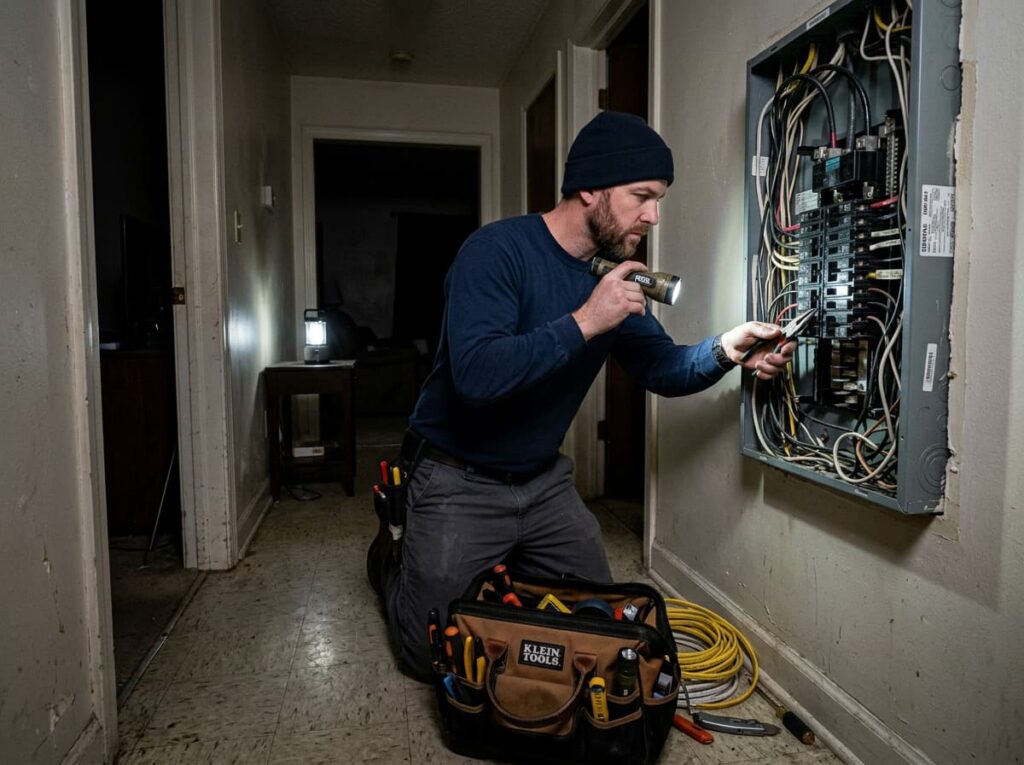
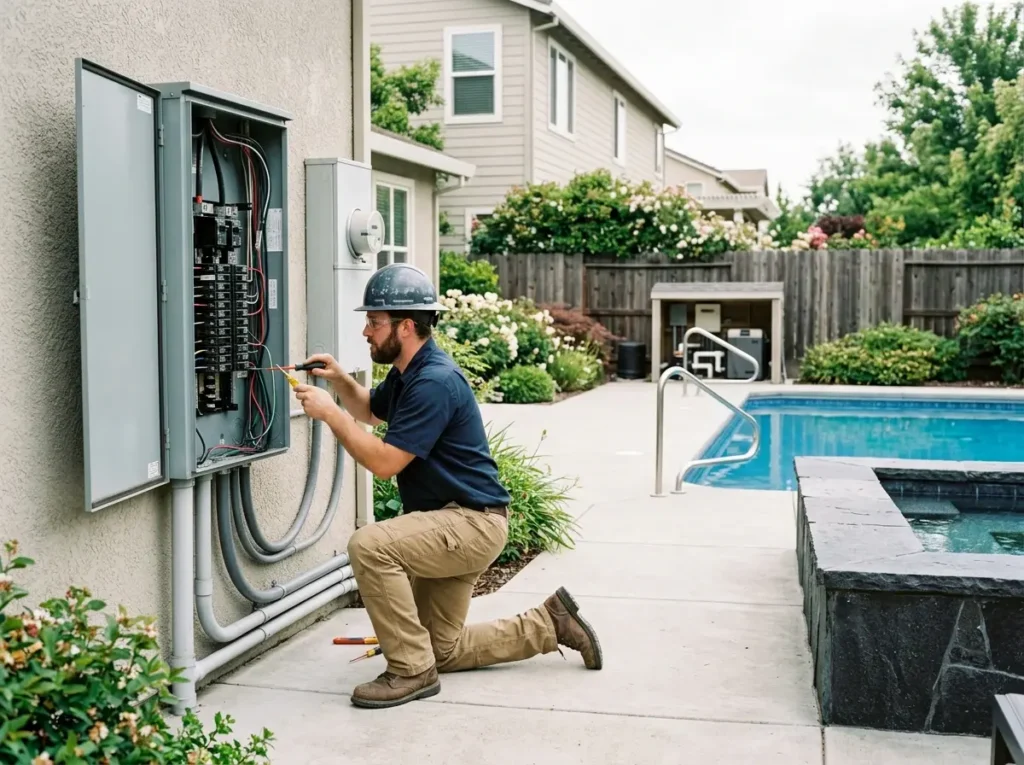
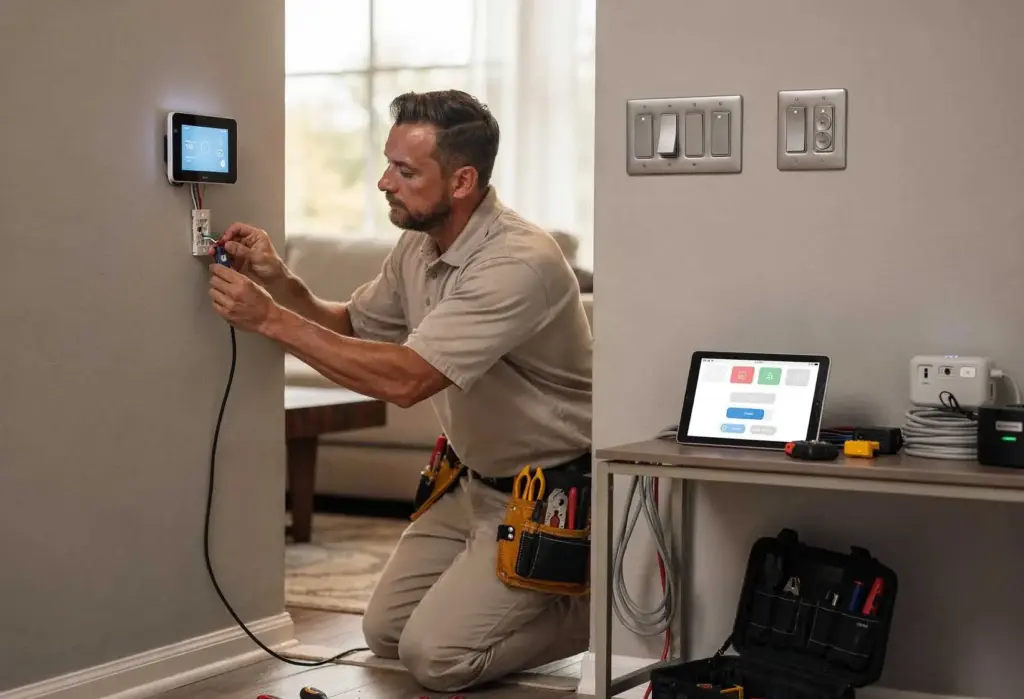
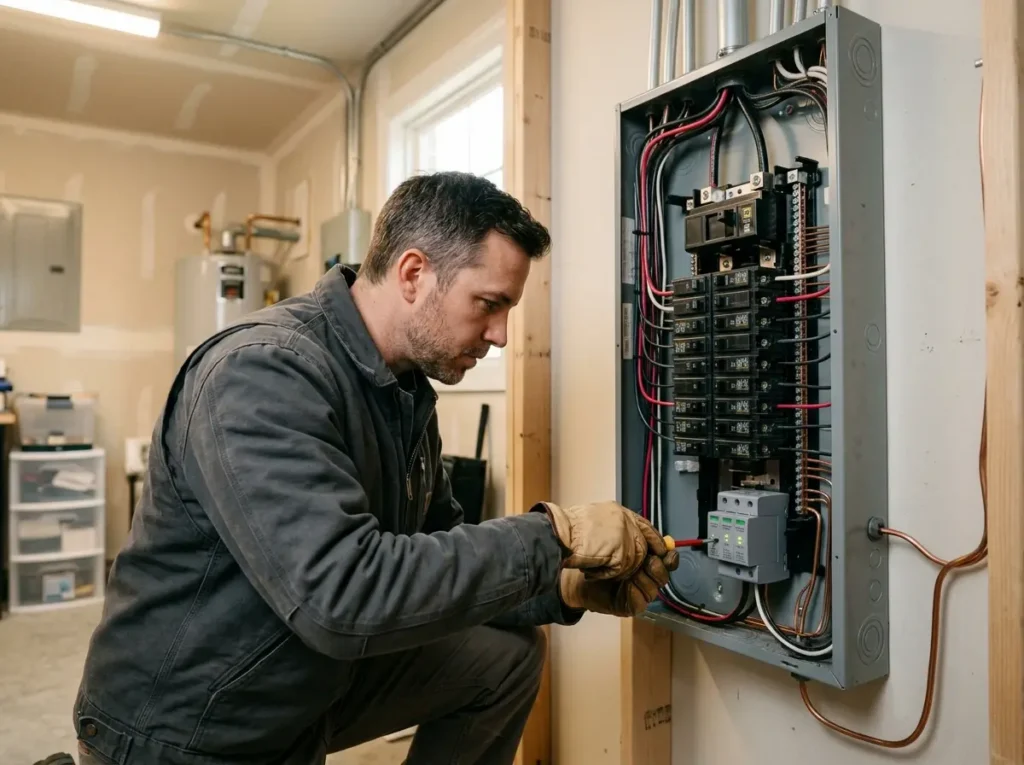
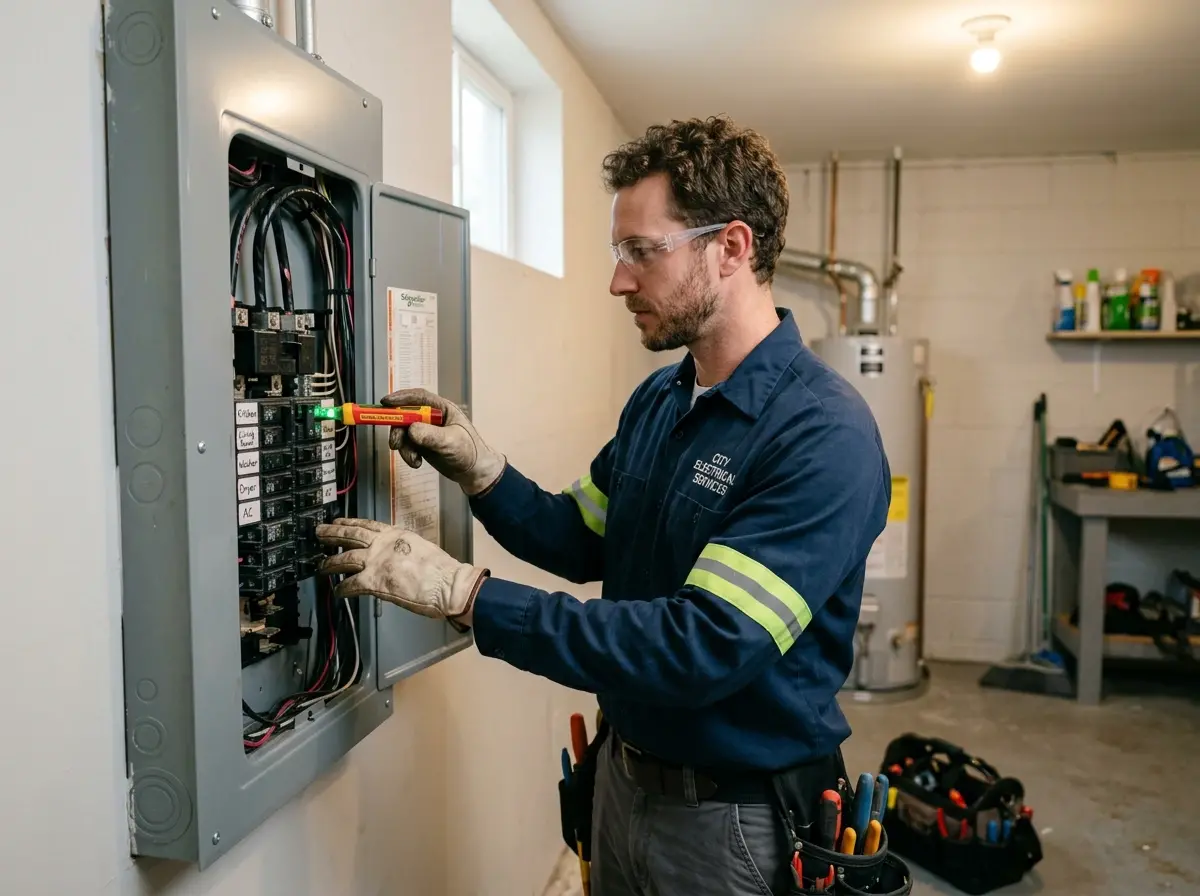
Behind that metal door, hidden inside your Springfield home's electrical panel, problems are brewing that no home inspector caught and no handyman can fix. Burnt bus bars, corroded lugs, mismatched breakers, and dangerous legacy panels from the 1970s. Our electrical panel upgrade and circuit breaker replacement services start with a forensic examination — we open your panel, torque every connection, thermal-scan every breaker, and document every violation. Unlike electricians who simply swap parts until something works, we find the root cause of breaker keeps tripping, flickering lights, and burning smells.
Seven Hidden Dangers Inside Springfield Panels
First, Federal Pacific Stab-Lok panels where breakers fail to trip during overloads — a known fire hazard that most insurance companies now explicitly exclude from coverage. Second, Zinsco panels where breakers weld themselves to the bus bar, making it impossible to shut off power. Third, bus bar corrosion from decades of humidity, causing intermittent contact and arcing behind breakers. Fourth, double-tapped breakers where two wires are crammed under one screw — a code violation that leads to loose connections. Fifth, aluminum branch wiring terminated directly into breakers without antioxidant compound, risking overheating. Sixth, undersized service entrance upgrade needs where 60A or 100A panels cannot handle modern loads. Seventh, missing AFCI breaker and GFCI breaker protection where NEC code has required it for years.
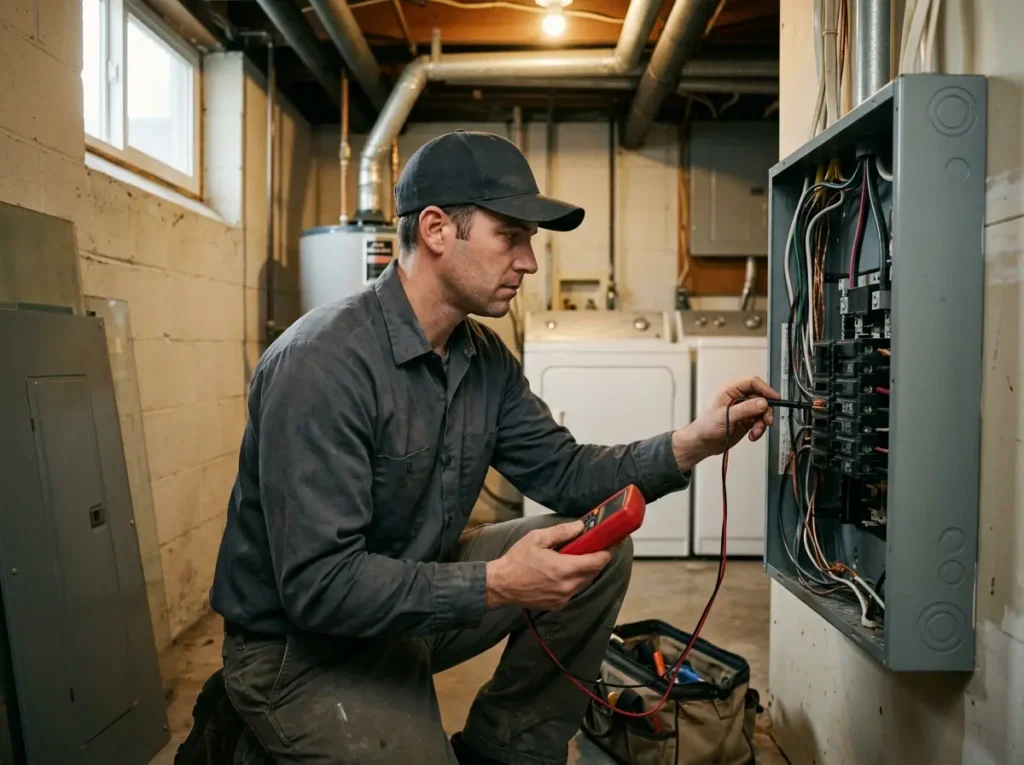
Every electrical panel service we perform in Springfield follows this diagnostic protocol:
- Panel cover removal and visual inspection for rust, burn marks, melted plastic, or insect damage
- Thermal imaging scan of every breaker and bus bar connection under full load
- Torque verification of every lug and breaker screw (loose connections generate heat)
- Breaker brand verification — if we see Stab-Lok or Zinsco, we recommend immediate panel replacement
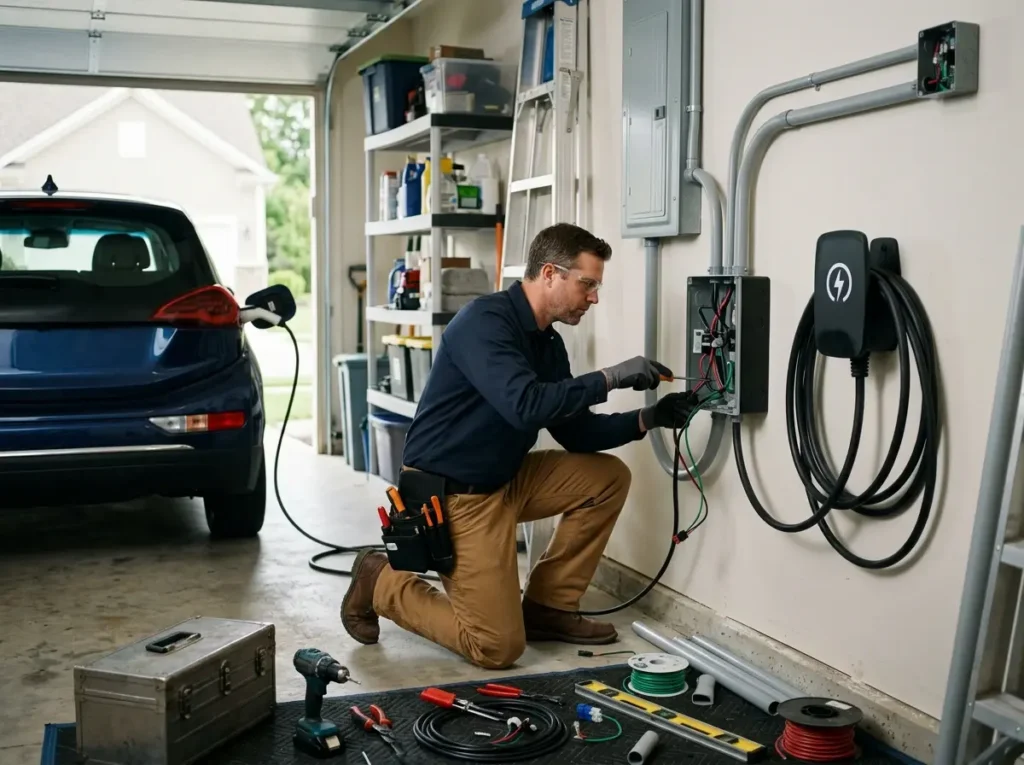
- Load calculation comparing panel rating to actual household demand (AC, EV charger, dryer, oven, pool)
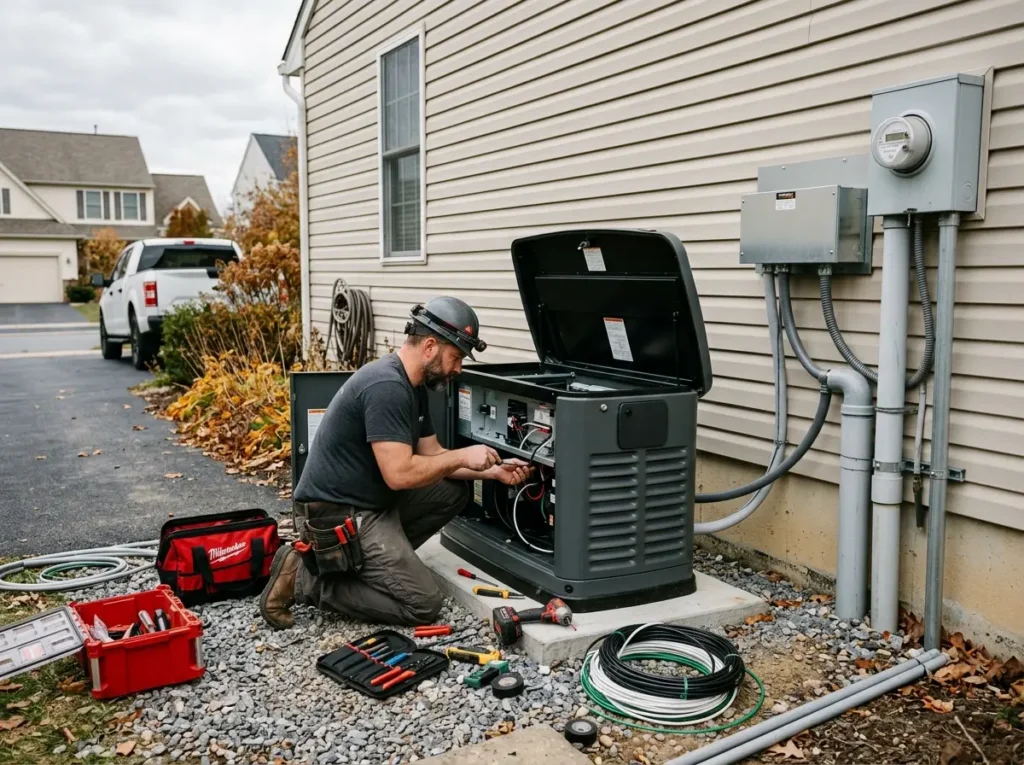
- Service entrance upgrade assessment — checking gauge of incoming wires from utility pole
- Arc flash boundary calculation — safety distance before we work on live panel
How Long Does Electrical Panel Work Take?
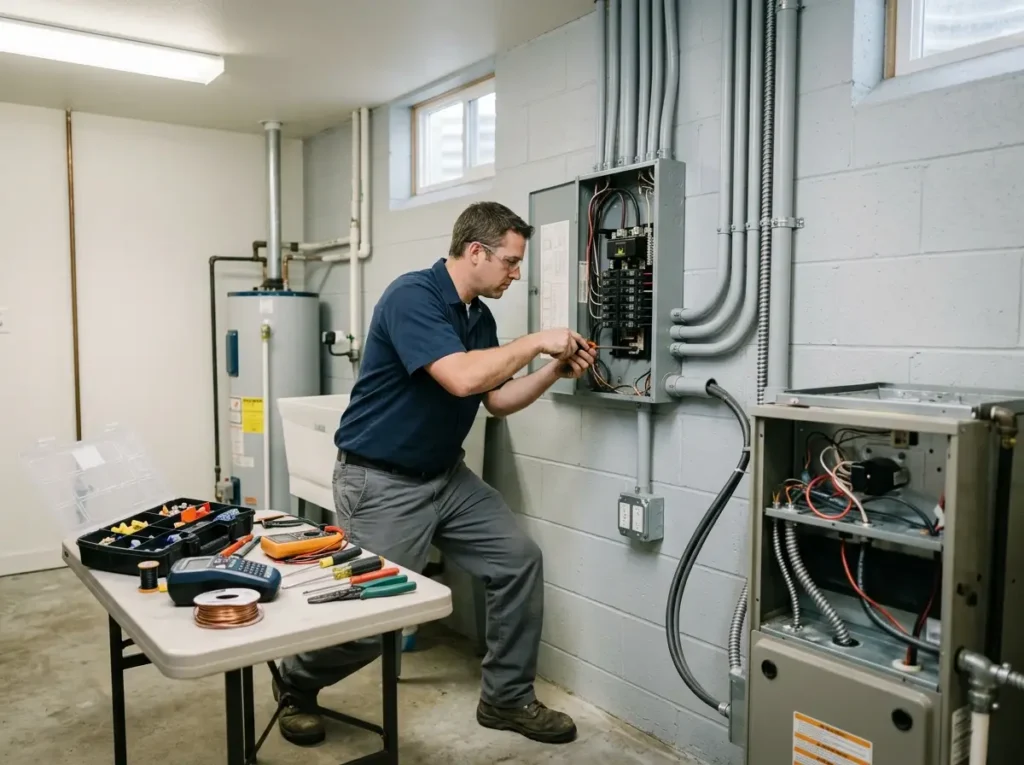
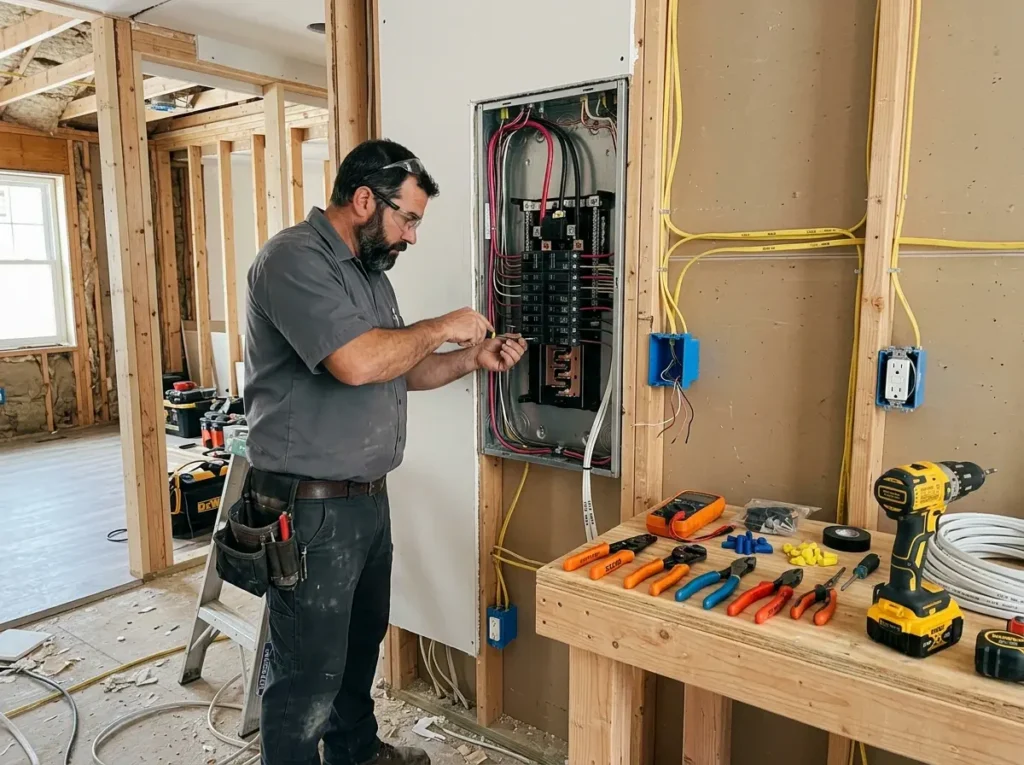
A circuit breaker replacement for a single failed breaker takes 30 to 45 minutes, including turning off the main breaker (or pulling the meter if the main is faulty), removing the old breaker, inspecting the bus bar for damage, installing the new breaker, and testing. If the bus bar shows corrosion at that slot, we may need to replace the entire panel rather than just the breaker — adding 4-6 hours. A subpanel installation in an attached garage typically takes 4 to 6 hours. This includes mounting the subpanel, running 6/3 or 4/3 Romex from the main panel to the subpanel, installing a double-pole breaker in the main panel, connecting all neutrals and grounds separately (bonding screw removed in subpanel), and labeling every circuit. A fuse box to breaker panel replacement in a 1,500 square foot Springfield home takes 6 to 8 hours. We remove the old fuse box, install a new 200A main breaker panel, reconnect all existing branch circuits (typically 8-12 circuits), install AFCI breaker and GFCI breaker on circuits that require them, and coordinate with the utility to reconnect service (may require a separate appointment). An electrical panel upgrade from 100A to 200A takes 6 to 10 hours, plus utility coordination. The utility must pull the meter, allowing us to replace the meter socket and service entrance upgrade wires from the weatherhead to the panel. Some Springfield utilities require a permit inspection before reconnecting power, adding 1-2 days of waiting. For service entrance upgrade only (panel stays, but incoming wires upgrade from 100A to 200A), plan on 4 to 5 hours plus utility coordination. The most time-consuming scenario is a panel replacement in a finished basement with no working space — NEC requires 36 inches of clearance in front of the panel. If your panel is tucked behind a water heater or inside a closet, we must relocate the panel to a code-compliant location, adding 4-8 hours for new wire runs through finished walls. We always provide a written scope of work, a permit fee estimate (varies by Springfield jurisdiction), and a timeline that includes utility coordination days, not just our labor hours.
Why Stab-Lok and Zinsco Panels Must Go — And Why Insurance Companies Care
Federal Pacific Electric (FPE) manufactured Stab-Lok panels from 1950 to 1985. Independent testing showed that 25% of Stab-Lok breakers failed to trip during overloads. A 20-amp breaker might allow 40-60 amps to flow continuously, heating wires inside your walls until insulation melts and fires ignite. The Consumer Product Safety Commission never ordered a recall, but virtually every home inspector flags FPE panels as a safety hazard. Most insurance companies now ask about panel brand on applications. If you have FPE or Zinsco, they may deny coverage or require replacement within 30 days of closing. Zinsco panels have a different failure: breakers become one with the bus bar. You cannot turn them off because they have welded themselves in the closed position. Even worse, the bus bar itself is made of aluminum with a copper plating that corrodes, creating high-resistance connections that overheat. We replace both brands with modern panels from Eaton, Square D, or Siemens. For homeowners who experience breaker keeps tripping on a specific circuit, we first rule out bus bar corrosion. A corroded bus bar slot creates intermittent contact — the breaker thinks it sees an overload when it actually sees a bad connection. We clean the bus bar with a fiberglass brush and apply dielectric compound. If corrosion has pitted the bus bar surface, we replace the panel rather than risking future arcing. For AFCI breaker and GFCI breaker installation, we use combination breakers that provide both arc fault and ground fault protection in a single 1-inch slot. This is required for kitchen and laundry circuits under 2020 NEC. For subpanel installation, we ensure the subpanel has a separate neutral bus and ground bus, and we remove the bonding screw that connects them (only the main panel bonds neutral to ground). For service entrance upgrade, we coordinate with your Springfield utility to schedule a meter pull. We replace the meter socket if it shows signs of overheating, install new weatherhead and mast if the old one is cracked or leaning, and run new 4/0 aluminum or 2/0 copper service entrance wires. We also install a new main breaker — often the old one has tripped so many times it no longer holds calibration. Every panel we install includes a full circuit directory typed on a laminated card (not handwritten scribbles) and a panel schedule showing which AFCI breaker and GFCI breaker protects which rooms. We also provide a load calculation sheet so you know exactly how much capacity remains for future EV chargers, hot tubs, or additions.
Call our panel experts in Springfield to schedule a safety inspection. We find the hidden dangers before they find you.