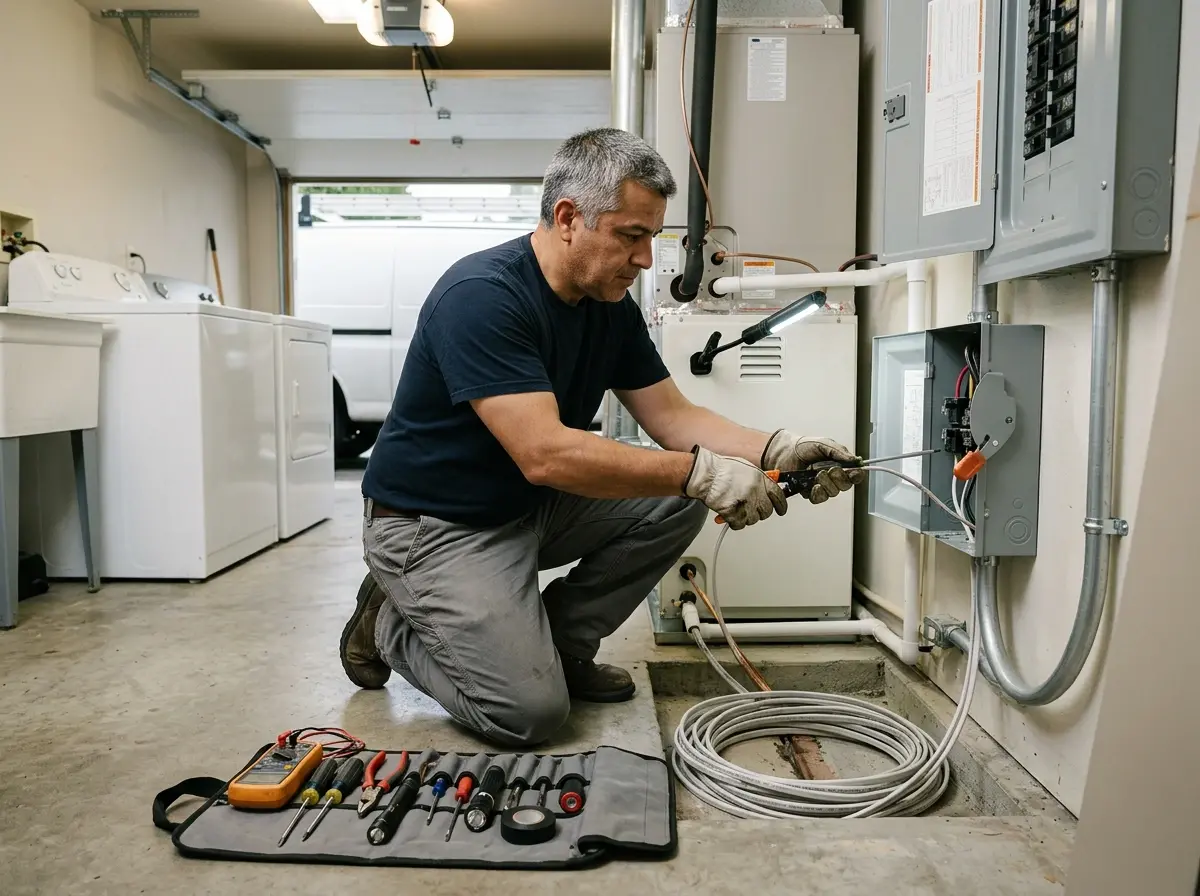
Your Cape Coral Home's Panel Is Full — But Your New AC or Generator Needs Space
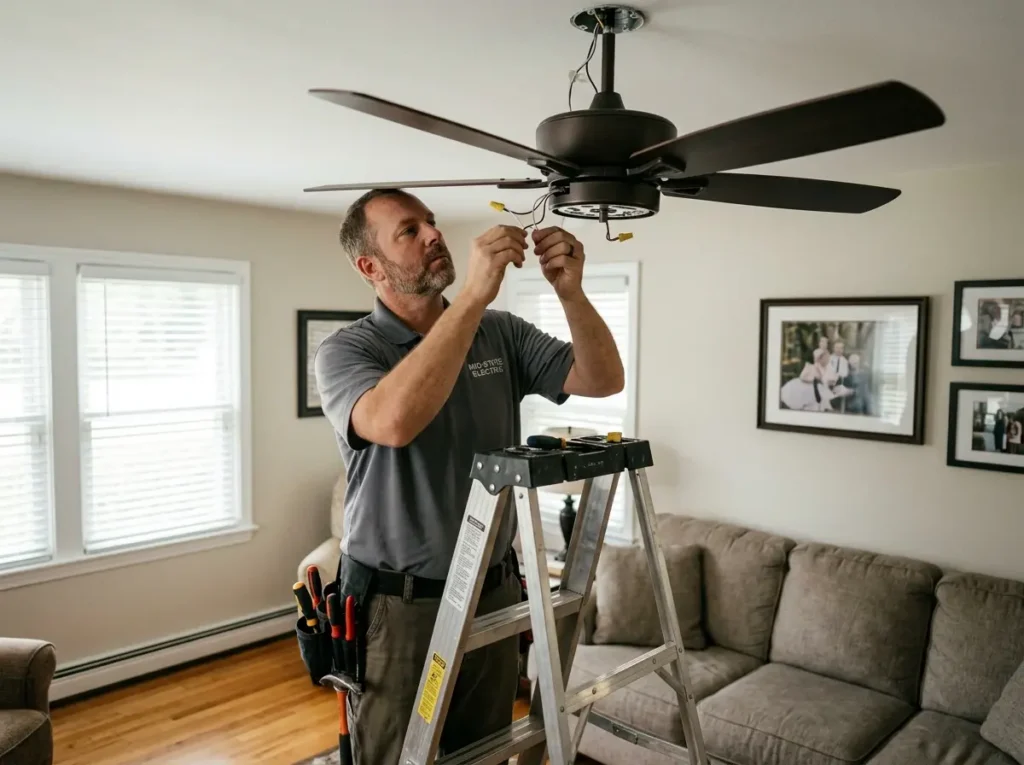
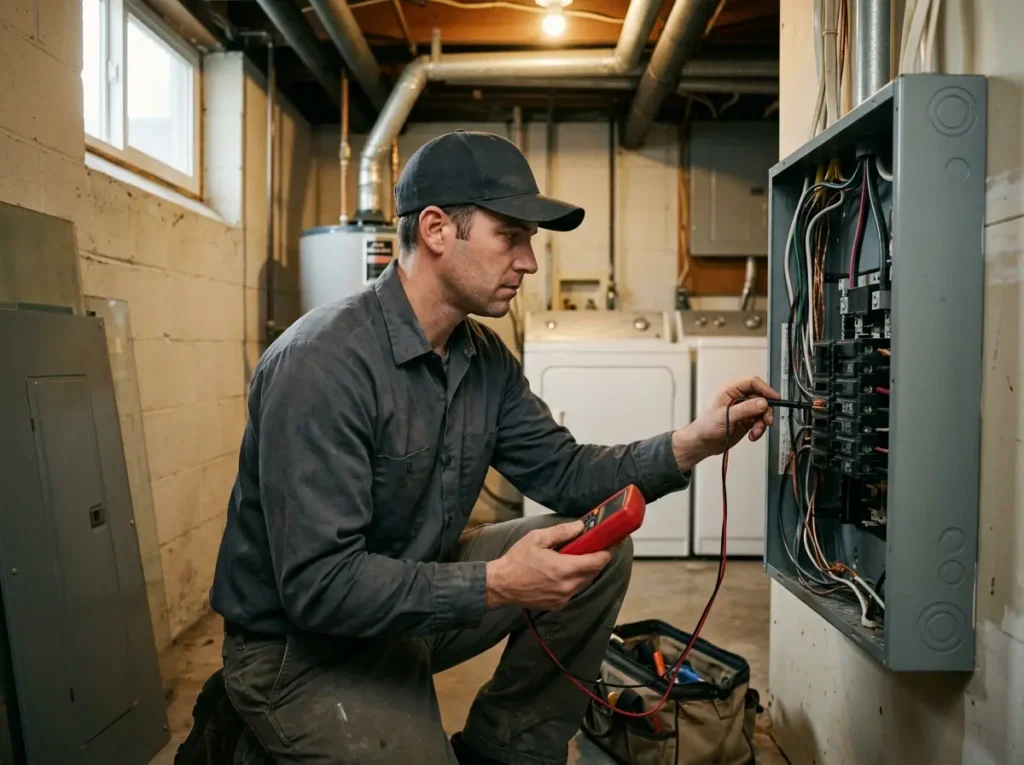
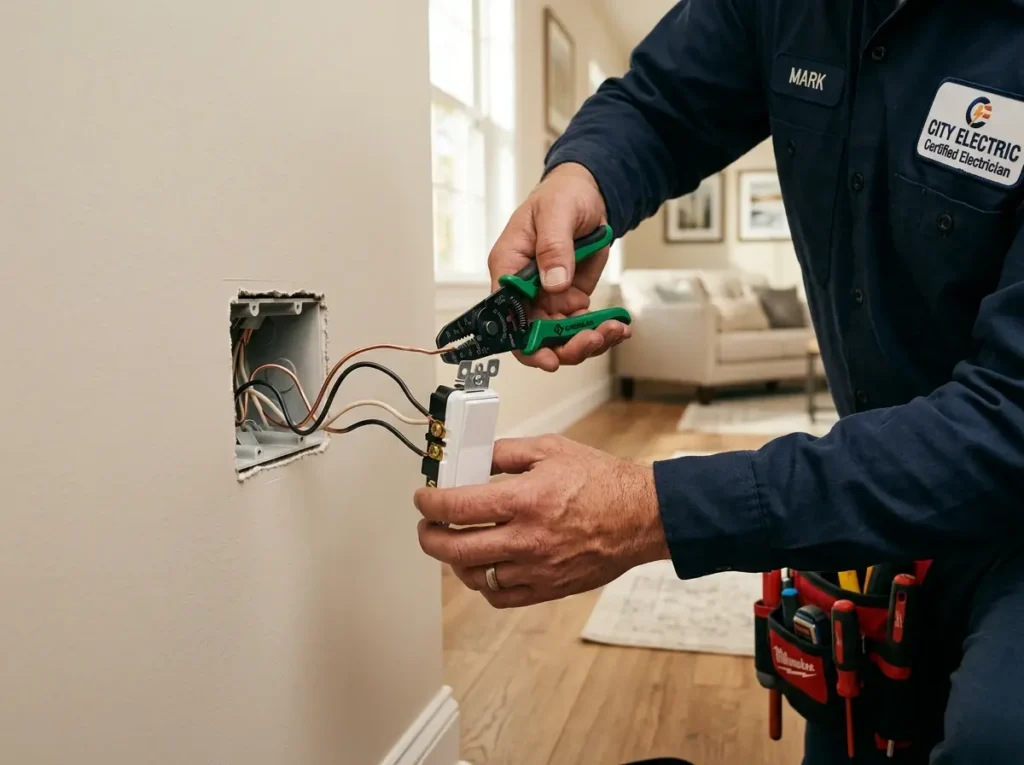
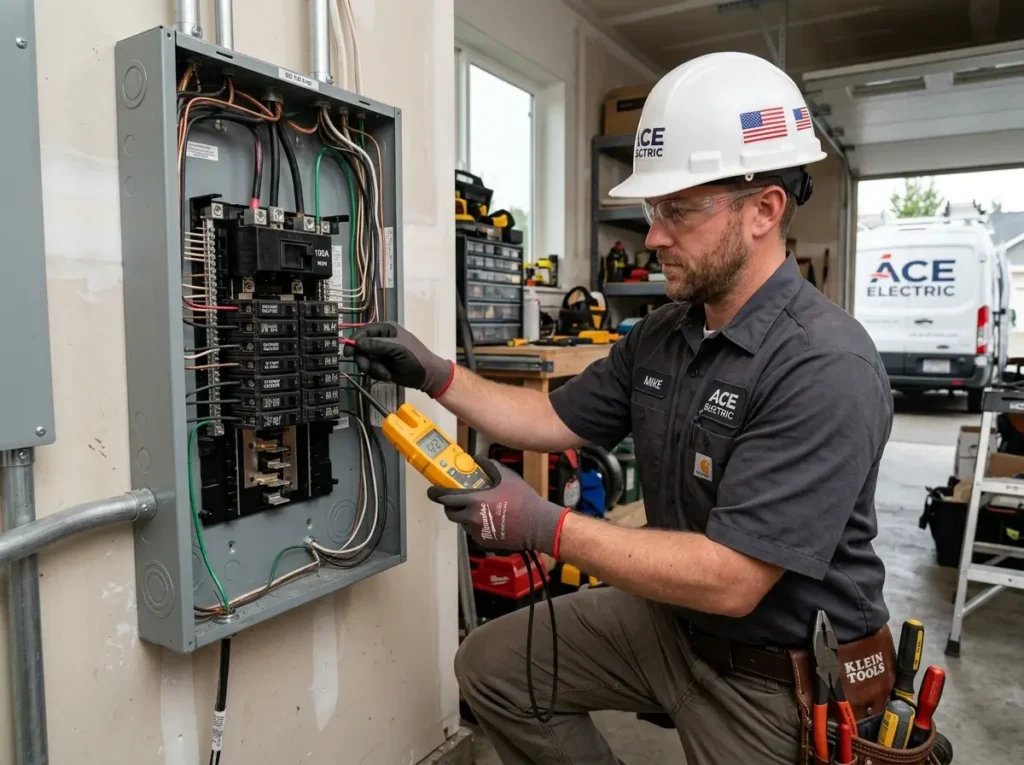
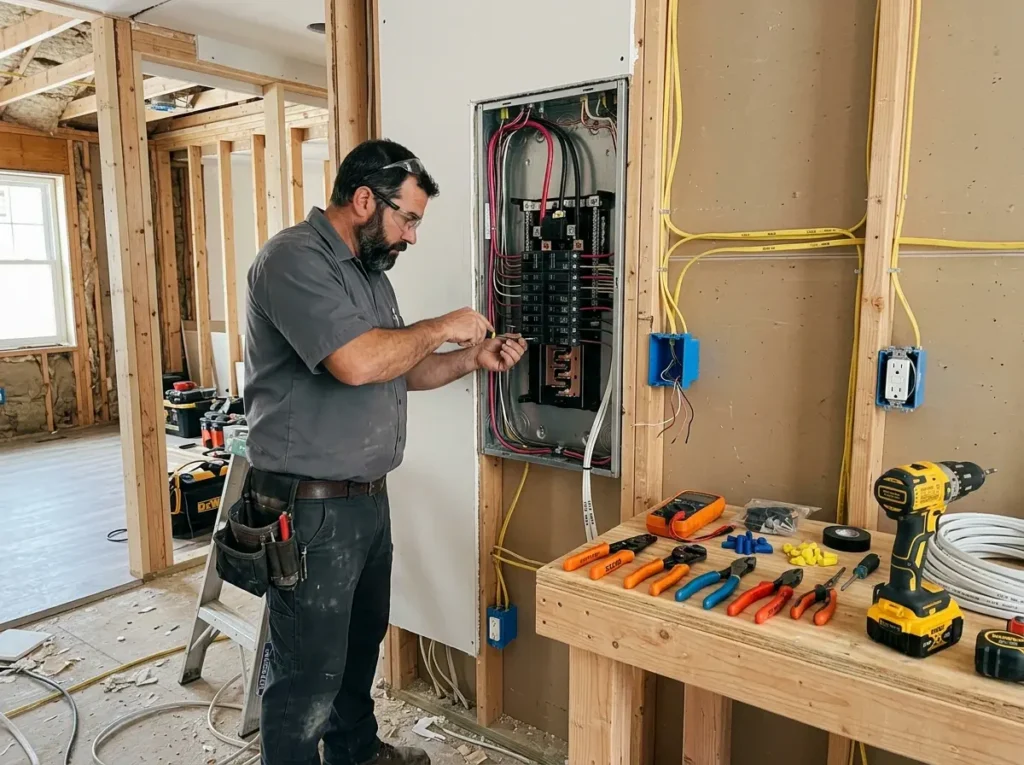
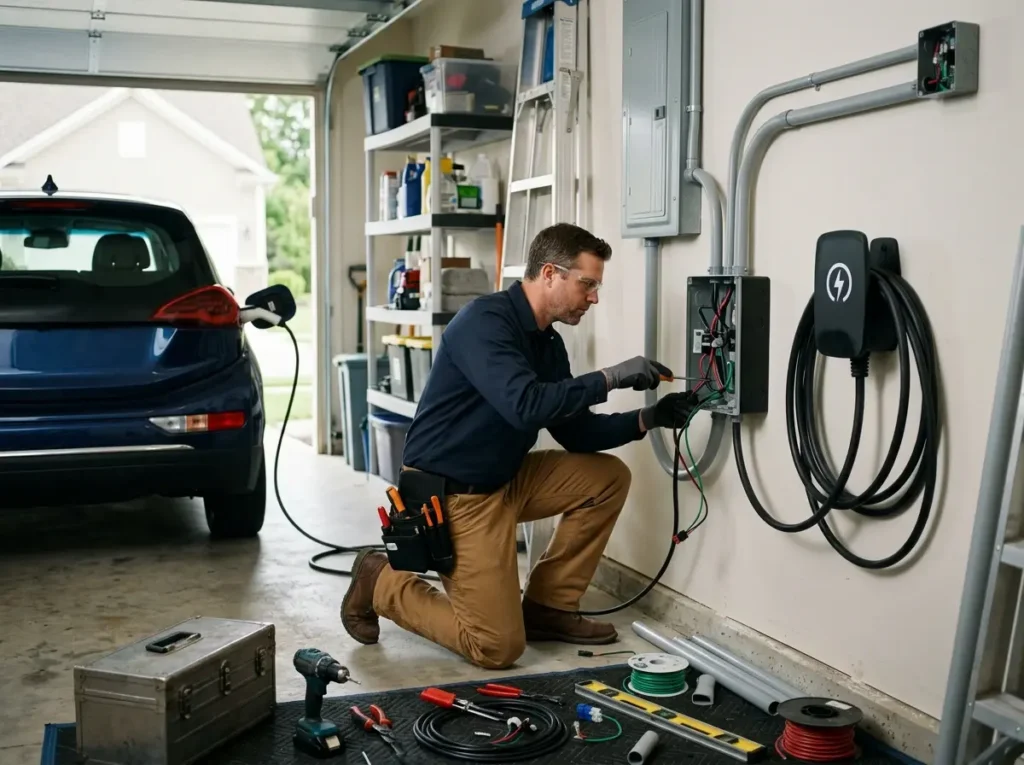
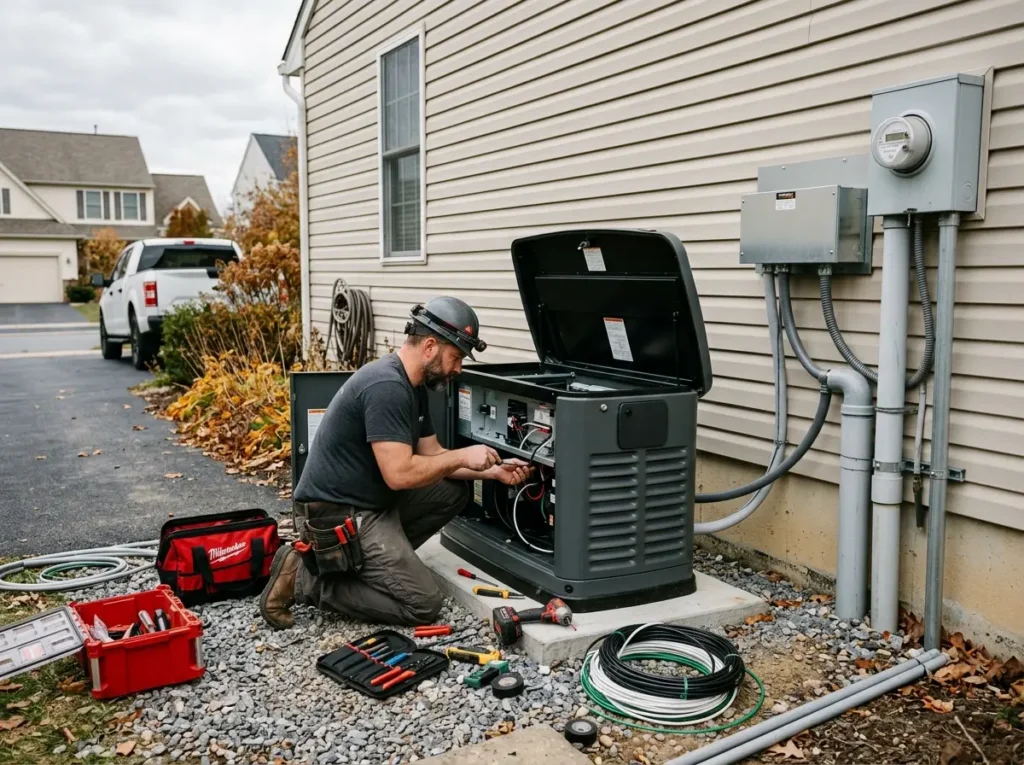
You scheduled an AC replacement for next week. The HVAC company said they "do not do electrical." Now you need an AC disconnect installation before they can finish. Or you bought a portable generator after the last Cape Coral snowstorm, but you are afraid to use it because you have heard about backfeeding danger and blowing up your neighbor's electronics. Our appliance and HVAC electrical hookups solve these specific problems. We install generator transfer switch systems that keep your furnace and fridge running safely during outages. We perform electric stove hookup and dryer outlet installation for new appliances. And for homeowners joining the EV revolution, we handle EV charger installation with NEMA 14-50 outlets or hardwired connections.
Four Common Hookup Scenarios We Handle Daily
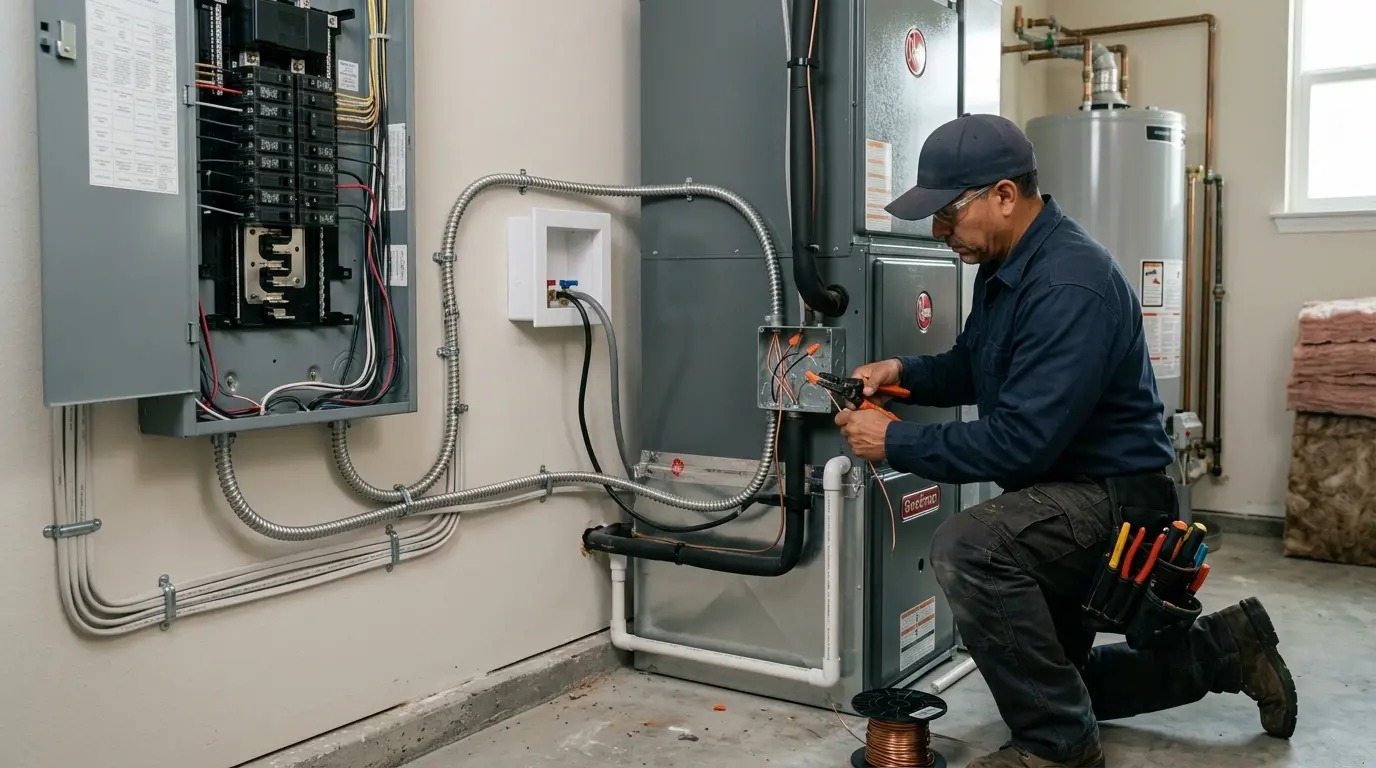
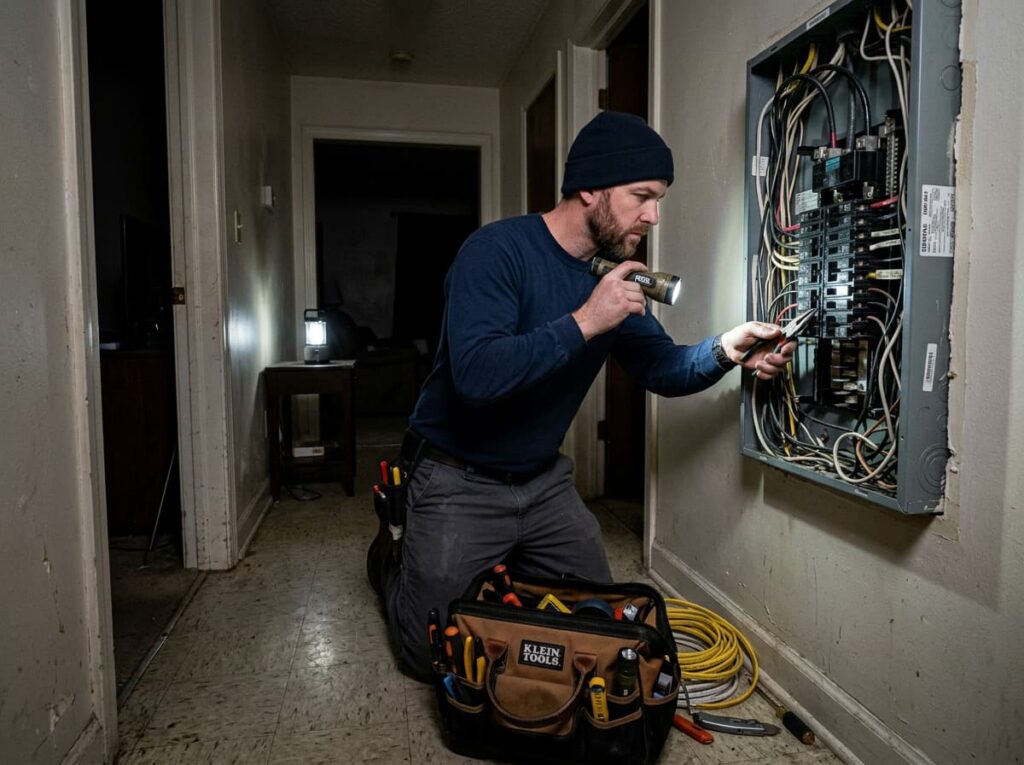
Scenario one: Your new AC condenser arrived, but the old disconnect is rusted, the pull-out is missing, and the wires are too small for the new unit's amperage. We install a new AC disconnect installation with properly sized fuses or non-fused pull-out, run new 10/2 or 8/2 wire from the panel, and label everything for the HVAC technician — 2-4 hours. Scenario two: You bought a portable generator and an electrician friend said "just backfeed through your dryer outlet." That friend is wrong — backfeeding can kill a lineman. We install a generator transfer switch (inlet box plus interlock or manual transfer panel) so you can power essential circuits safely — 3-5 hours. Scenario three: Your new electric stove has a four-prong plug, but your old outlet is three-prong with a missing ground. We either run a new 6/3 wire (full ground) or install a GFCI breaker and leave the three-prong outlet (code allows, but you lose the ground for surge protection) — 2-4 hours. Scenario four: You want an EV charger, but your panel is full and your 100A service is already near capacity. We perform load calculation, then either upgrade your panel to 200A, install a load management device, or downsize the EV charger to fit — we explain all three options with pros and cons.
Our hookup approach in Cape Coral combines electrical code knowledge with practical appliance compatibility:
- For generator transfer switch, we ask: "Do you want to power your whole home automatically (automatic transfer switch) or just selected circuits manually (interlock kit)?"
- For AC disconnect installation, we verify the condenser's minimum circuit ampacity (MCA) and maximum overcurrent protection (MOP) on the nameplate
- For EV charger installation, we ask about your daily driving distance to recommend 16A, 32A, 40A, or 48A charging speed
- For electric stove hookup, we check whether your existing wire is 6/3 (good for 50A) or 8/3 (max 40A, may be undersized for a new 12kW range)
- For dryer outlet installation, we verify that the existing 10/3 wire is intact and that the breaker is 30A (or we replace it)
- For any 240V installation, we first perform load calculation — this is non-negotiable
How Long Does Each Hookup Take?
An AC disconnect installation for a replacement condenser (existing wire is present, just need a new disconnect box) takes 1.5 to 2.5 hours. We remove the old disconnect, mount the new one, reconnect the incoming wire from the panel and the outgoing wire to the AC, install the correct fuses (if fused) or pull-out, and test. If the wire from the panel is undersized for the new AC's MCA, we must run new wire — 3-5 hours additional. A generator transfer switch installation for a portable generator (inlet box plus interlock kit) takes 3 to 5 hours. We mount the inlet box on the exterior wall (drilling through siding or brick), run 10/3 or 8/3 cable to the panel, install the interlock plate on the panel cover, wire the new breaker, and label the inlet "GENERATOR INPUT." We also demonstrate the safe startup sequence: connect generator, start generator, turn off main breaker, slide interlock, turn on generator breaker. A generator transfer switch for an automatic whole-home generator takes 6 to 8 hours (typically part of a full generator installation). An electric stove hookup with no existing 240V circuit (brand new stove in a home that previously had gas) takes 4 to 6 hours. We run new 6/3 Romex from the panel to the kitchen (through basement or crawlspace), mount a new 50A breaker, install a NEMA 14-50 outlet in a metal box behind the stove, and test. If the kitchen is on a concrete slab with no basement access, we may need to cut drywall or surface-mount conduit — add 2-4 hours. A dryer outlet installation with no existing 240V circuit takes 3 to 5 hours, similar process but with 10/3 wire and a 30A breaker. An EV charger installation for a NEMA 14-50 outlet in an attached garage directly below the panel takes 2 to 3 hours. If the garage is detached, we trench 6-10 hours (one full day). For load management device installation (EV charger throttling when AC or dryer runs), add 1-2 hours to configure the current sensors and program the device. The most time-consuming scenario in Cape Coral is a panel upgrade combined with an EV charger installation: we upgrade the 100A panel to 200A (6-10 hours), then install the EV charger (2-3 hours). This is typically done over two days. We always provide a fixed-price quote for the entire project, including permit fees and any drywall repair needed.
Why Generator Transfer Switch Installation Prevents Backfeeding Danger
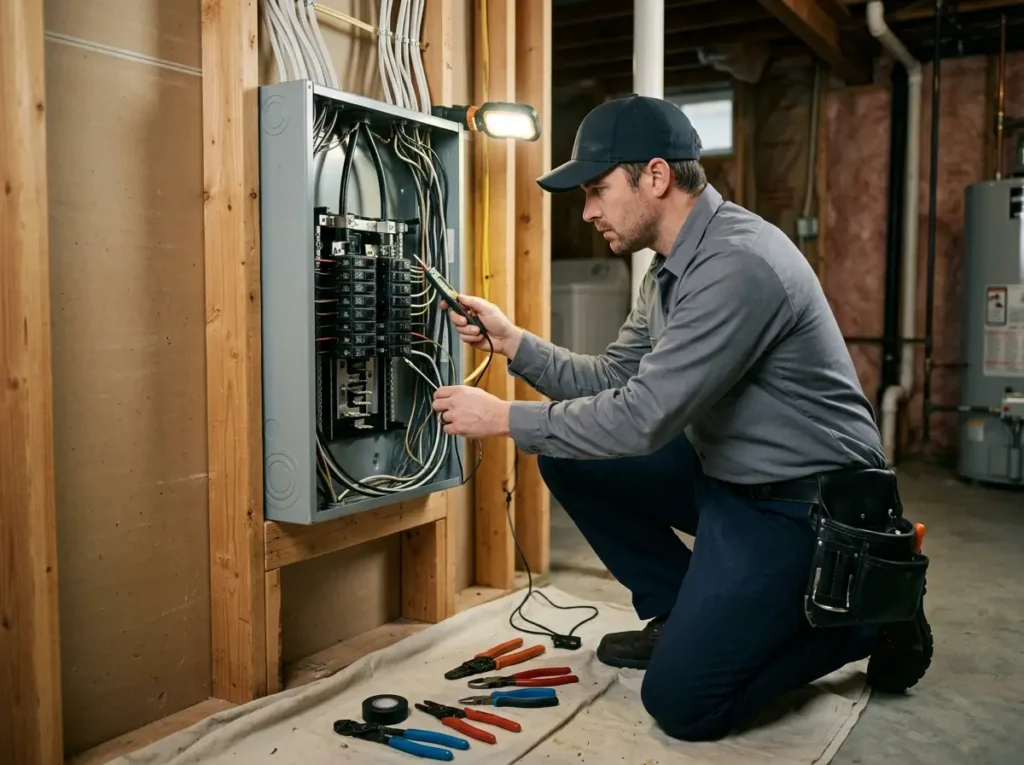
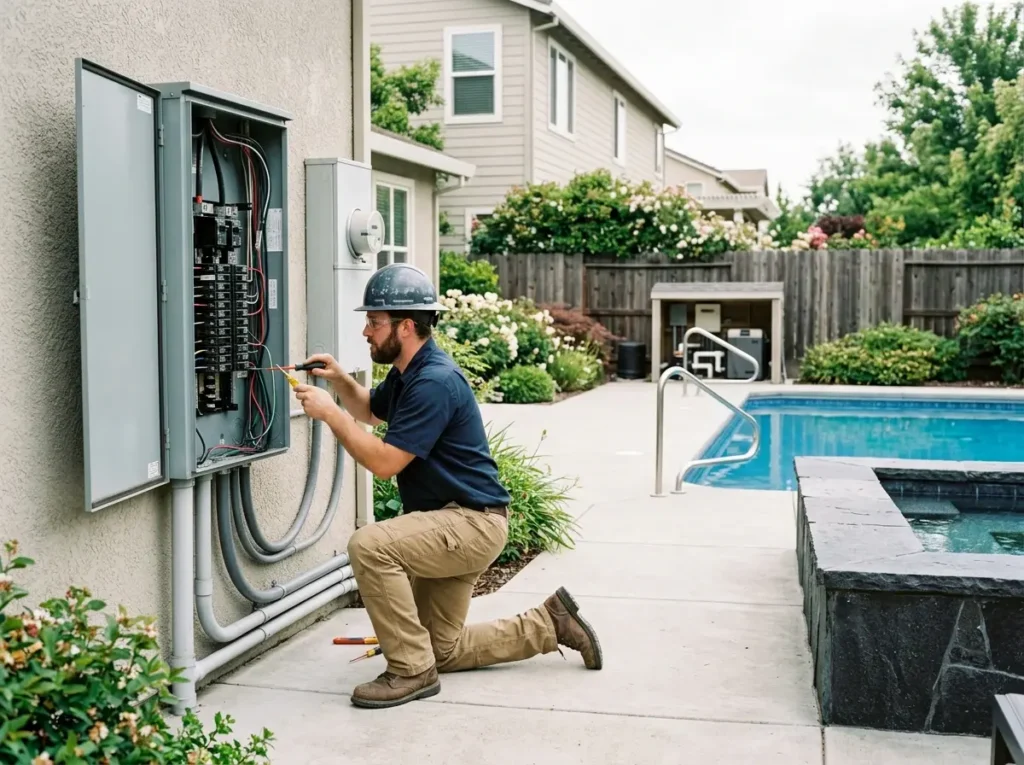
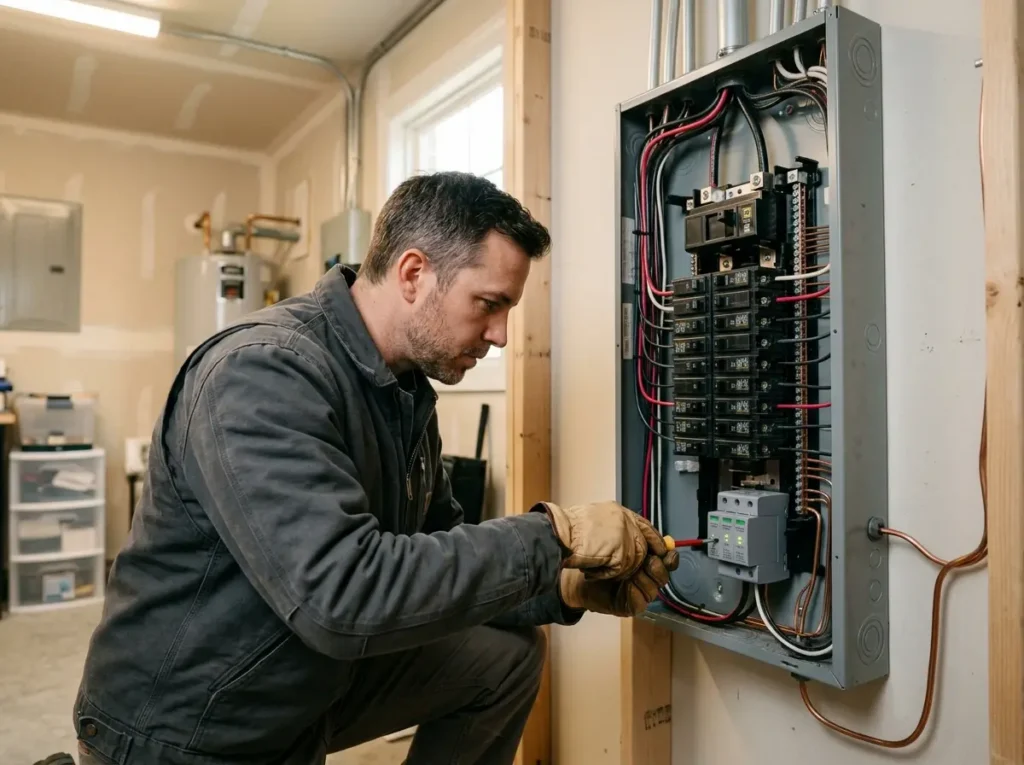
Backfeeding is the practice of connecting a portable generator to a home through a dryer outlet or other 240V receptacle using a double-male cord (suicide cord). When the main breaker is still on, electricity from the generator flows back through the panel, out to the utility transformer, and up the power lines. Linemen working to restore power assume those lines are dead. They are not. Backfeeding kills utility workers every year. A generator transfer switch prevents this mechanically. An interlock kit slides over the main breaker and generator breaker — you cannot close the generator breaker unless the main breaker is open, and you cannot close the main breaker unless the generator breaker is open. An automatic transfer switch (ATS) uses relays that physically disconnect the utility before connecting the generator. Our generator transfer switch installation includes either method. We also verify that your generator's neutral and ground bonds are correct for your panel type (some panels require bonded neutral, some require floating). For AC disconnect installation, the purpose is safety: a service technician working on the condenser can pull the disconnect and know the unit is dead. We mount the disconnect within sight of the condenser — if you can see the disconnect from the AC unit, code is satisfied (distance does not matter). We use weatherproof enclosures rated NEMA 3R. For hardwired vs plug-in for AC units, we almost always hardwire — the AC unit's whip (flexible conduit) connects directly to the disconnect. No plug. For EV charger installation, we offer both: plug-in (NEMA 14-50) for indoor garages where the charger might be replaced, hardwired for outdoor installations where weather exposure makes outlets a failure point. For electric stove hookup and dryer outlet installation, modern code requires four-prong receptacles (NEMA 14-50 for stoves, NEMA 14-30 for dryers). The fourth prong is a dedicated ground, separate from neutral. Older three-prong outlets are grandfathered but cannot be extended or relocated. If you are moving the stove or dryer to a new location, we must install four-prong outlets and run new 6/3 or 10/3 with ground. For load calculation, we use NEC 220.82 — we add your square footage at 3VA per foot, add 1,500VA for each small appliance circuit (kitchen), add nameplate ratings of fixed appliances (AC, well pump, pool pump), then add the largest motor at 25%. If the total exceeds your panel rating (100A, 150A, 200A), we recommend an upgrade. Every hookup we complete includes a final walkthrough where we show you: which breaker controls the new circuit, where the disconnect is (for AC), and how to safely operate the generator transfer switch. We also provide a laminated card with the load calculation results taped inside your panel door.
Call our appliance hookup team in Cape Coral before your HVAC installer arrives or before the next storm. We will ensure your new appliances, AC, or generator are wired safely, legally, and ready to work when you need them.