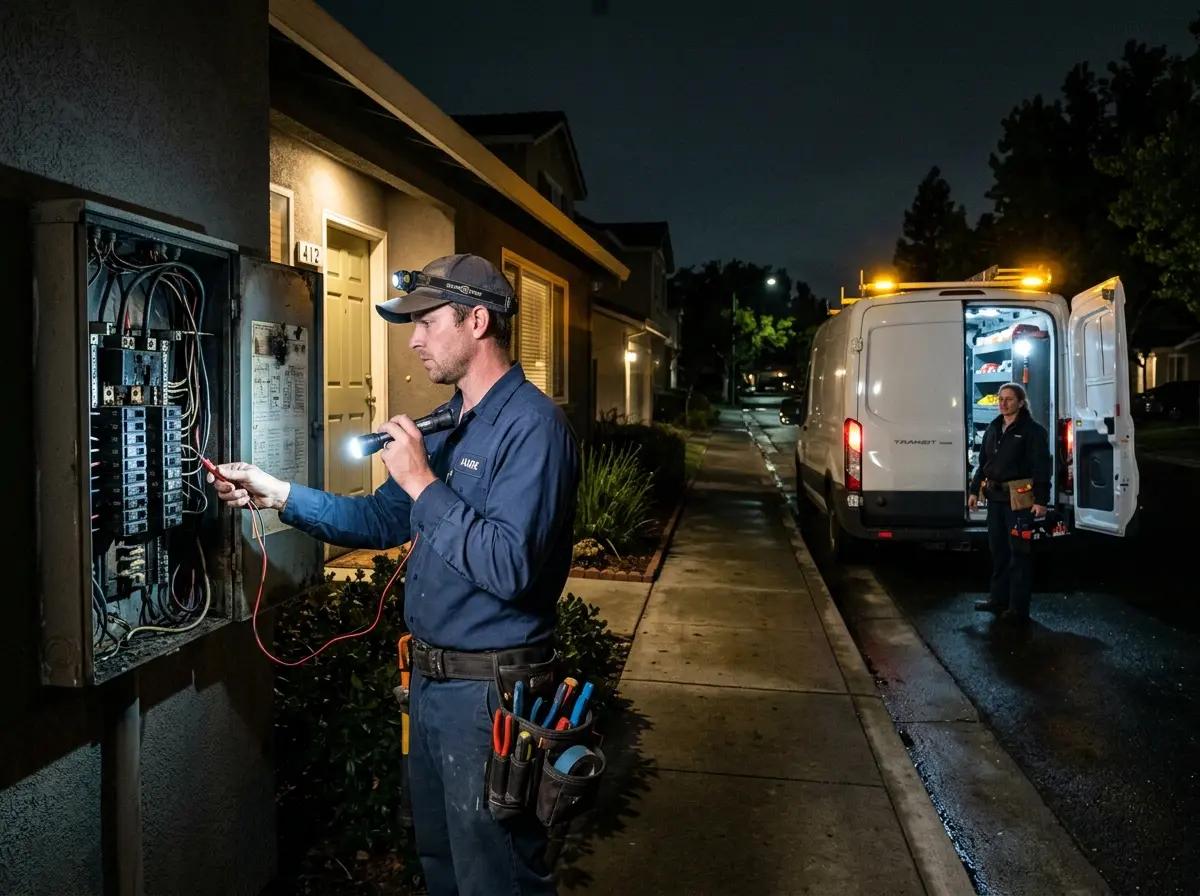
The Silent Danger of Partial Power Loss — Why Your Cocoa Home Needs Immediate Help
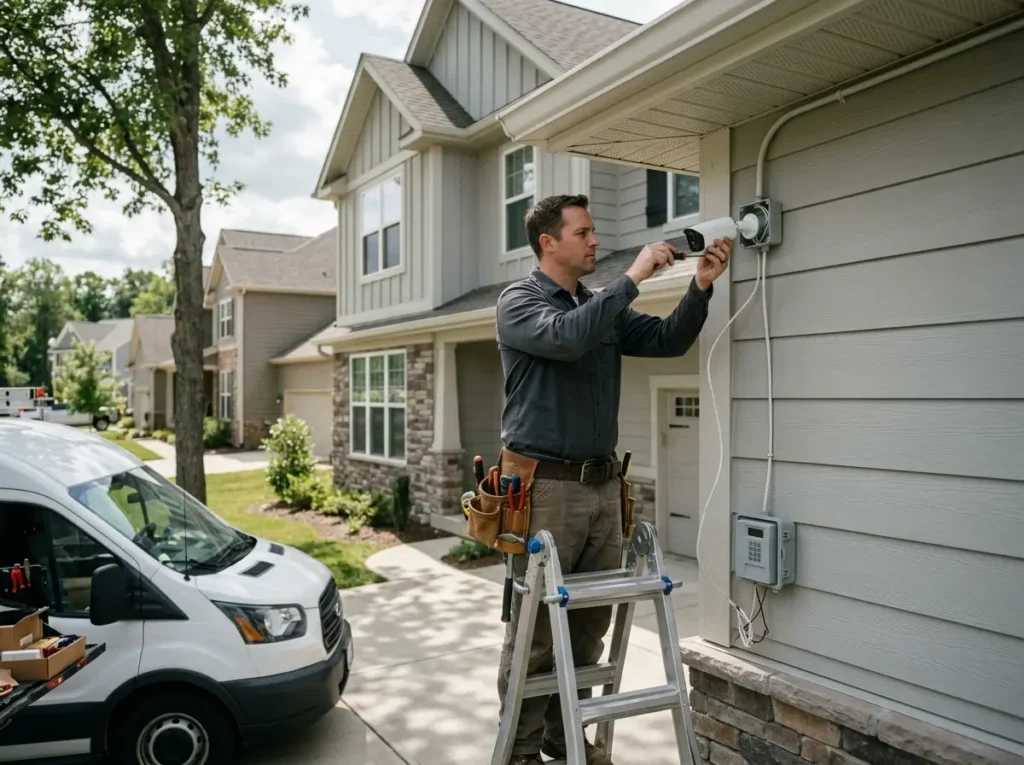
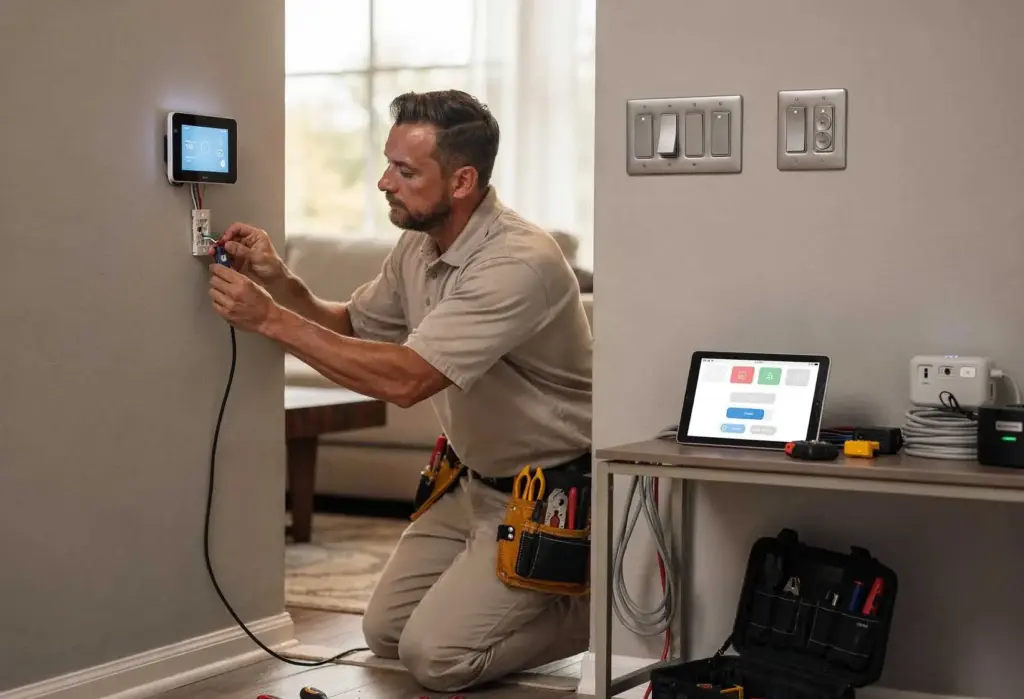
Your kitchen lights are dim. The microwave runs but takes twice as long to heat food. The sump pump sounds different. And half your outlets have no power at all. This is not a simple tripped breaker. This is a lost neutral — one of the most dangerous electrical emergencies in residential homes. Our emergency electrical services are trained to recognize partial power loss immediately. We perform main breaker replacement when needed, diagnose circuit breaker tripping repeatedly, and handle sparking outlet repair before arcing causes fires. For homes with no power in part of house after a storm, we check for overhead service repair needs — damaged weatherheads, torn service masts, or trees on the line.
Five Critical Emergencies We Handle in Cocoa
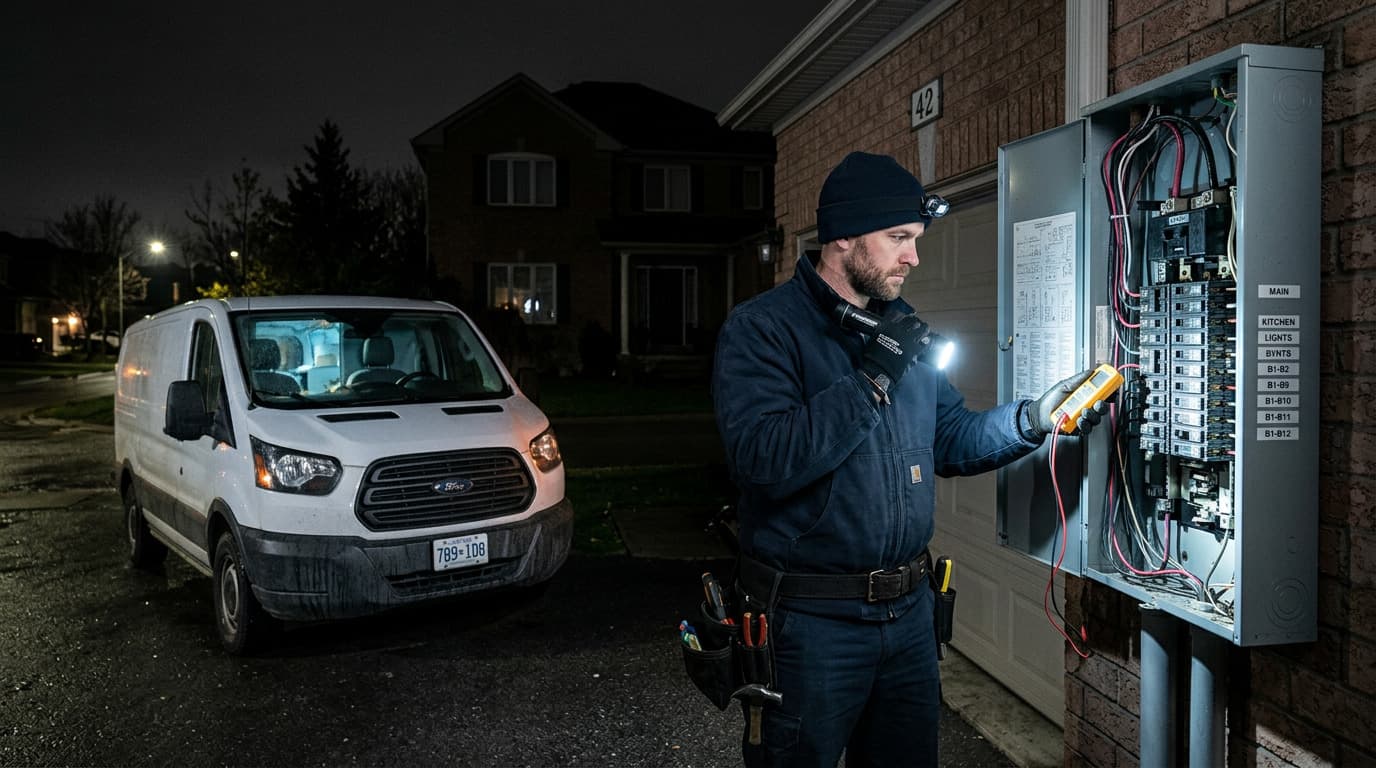
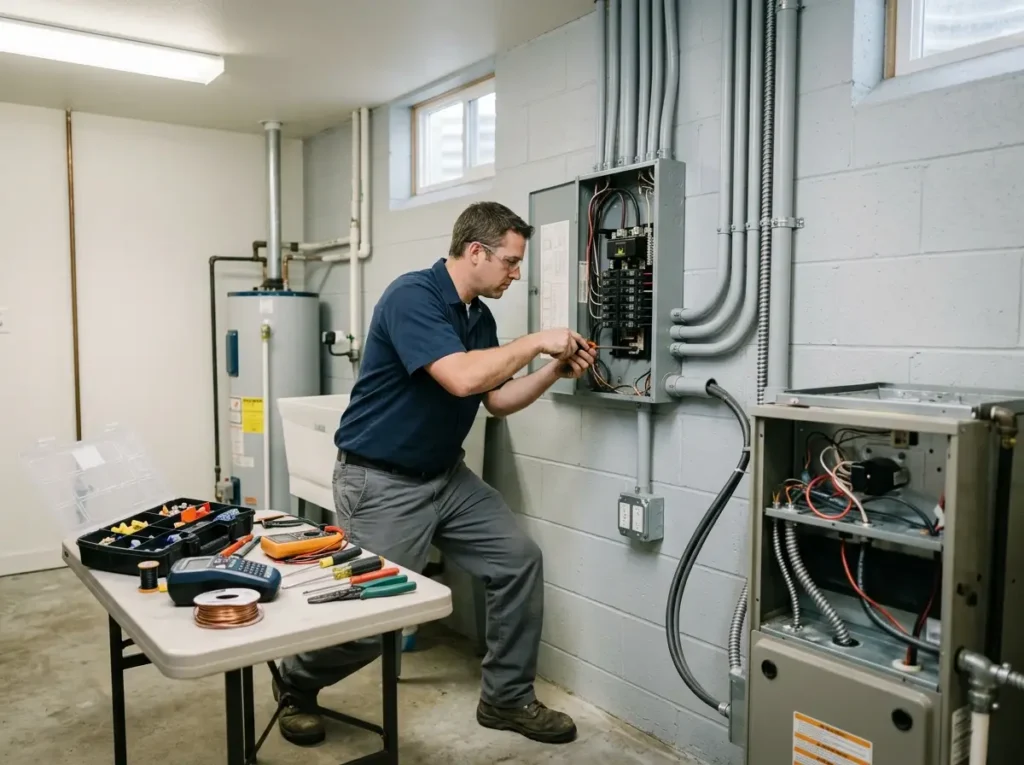
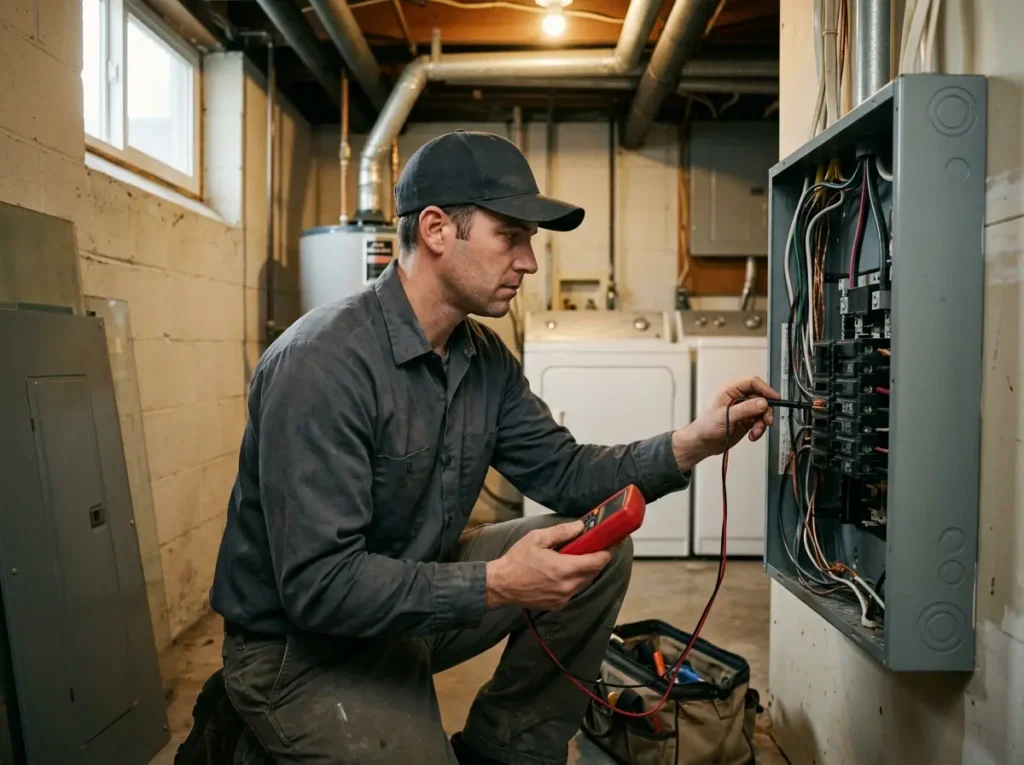
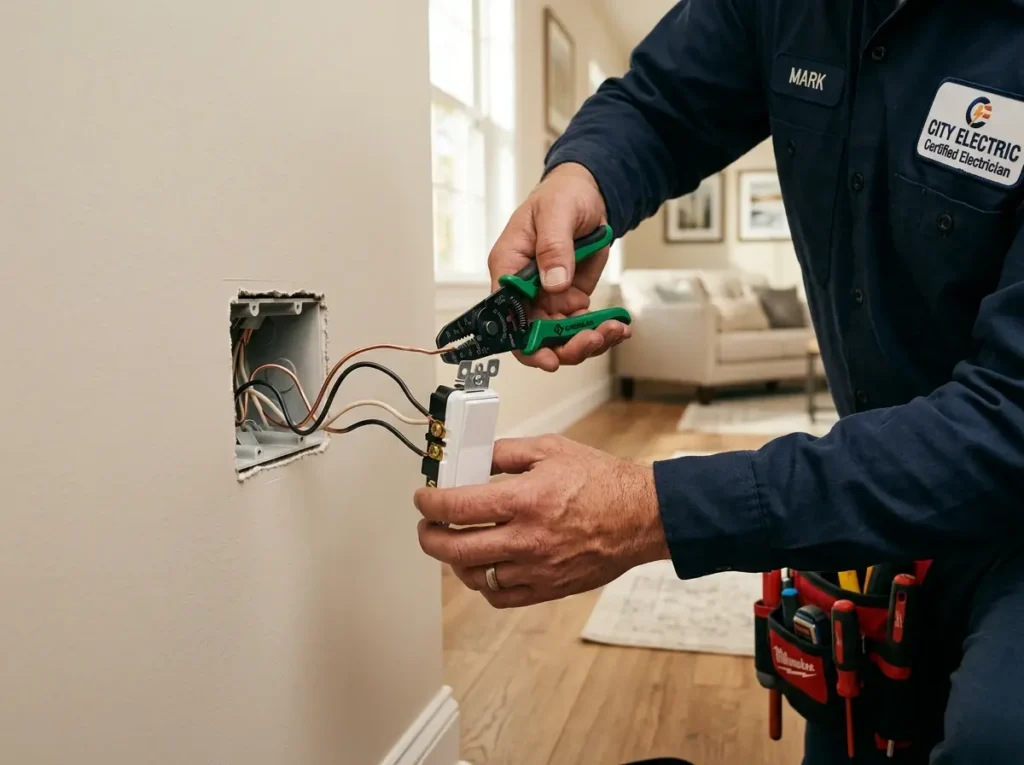
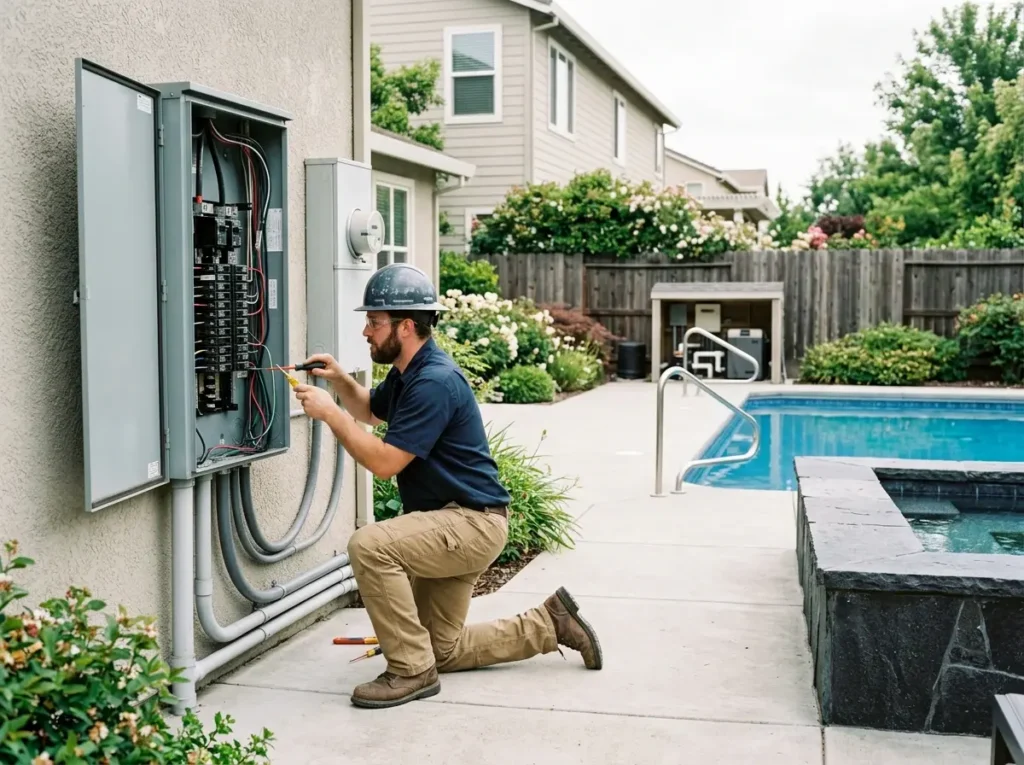
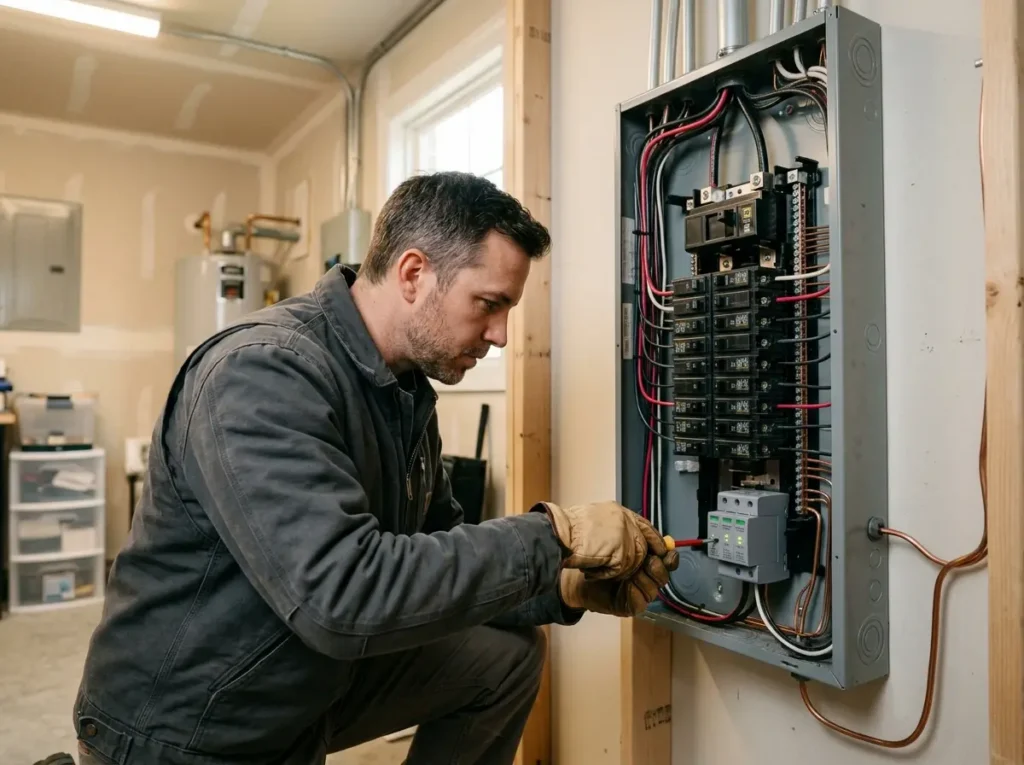
Emergency one: no power in part of house with no tripped breakers. Often a failed junction box connection or a tripped GFCI outlet that you cannot find. We trace the circuit, locate the failure, and restore power (1-3 hours). Emergency two: burning smell from panel that comes and goes. This is a failing connection inside your panel — a loose lug, a corroded bus bar, or a breaker that is arcing internally. We open the panel, find the hot spot with thermal imaging, and tighten connections or replace the breaker (1-2 hours). Emergency three: crackling sound from outlet or switch. This is active arcing — the connection is failing as we listen. We de-energize the circuit immediately, open the box, and replace the damaged device (45-60 minutes). Emergency four: circuit breaker tripping repeatedly with a loud BANG when you reset it. This is a dead short — hot and neutral touching directly. The wire is damaged somewhere, and the breaker is doing its job preventing a fire. We find the damaged section, cut it out, and splice in new wire (2-4 hours). Emergency five: partial power loss with lights flickering and appliances running strangely. This is a lost neutral — we measure voltages, confirm the problem, turn off your main breaker to protect appliances, and coordinate with the utility for emergency repair (1 hour plus utility response time).
Our emergency response protocol in Cocoa prioritizes safety over speed:
- When you call, we ask: "Do you smell burning? Do you hear crackling or buzzing? Do you have partial power with weird appliance behavior?"
- For burning smell or crackling, we advise: "Turn off the main breaker if safe, leave the house if smoke is visible, and wait outside for us."
- For partial power loss, we advise: "Unplug computers, TVs, and other sensitive electronics. Leave the main breaker on so we can test voltages when we arrive."
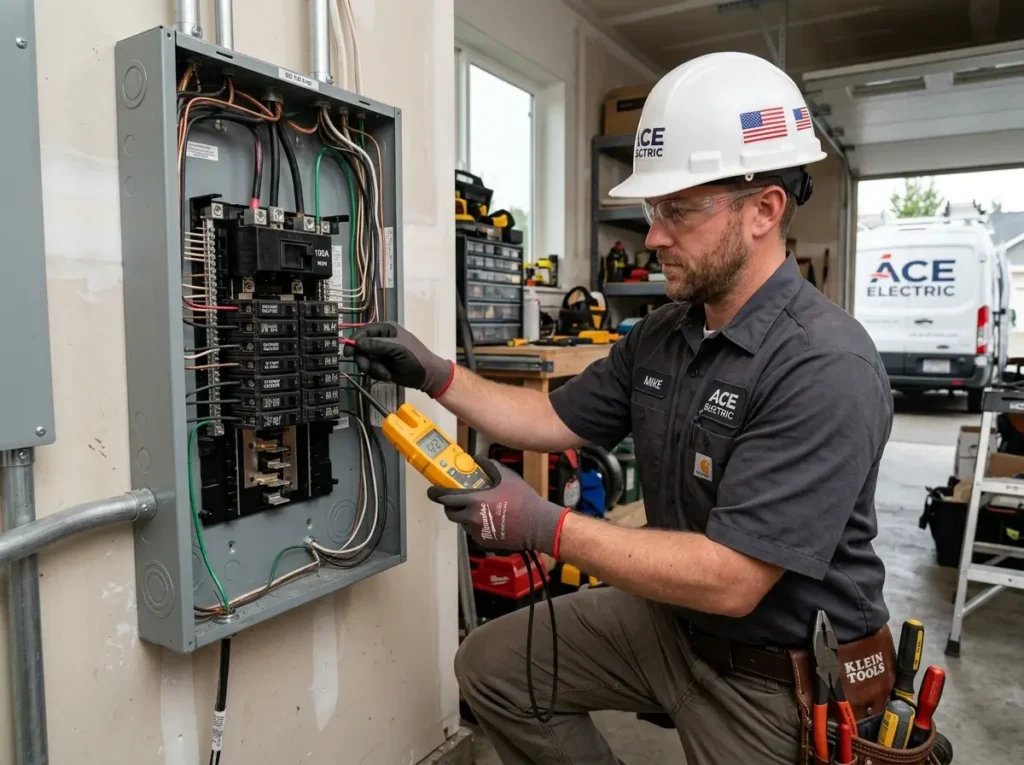
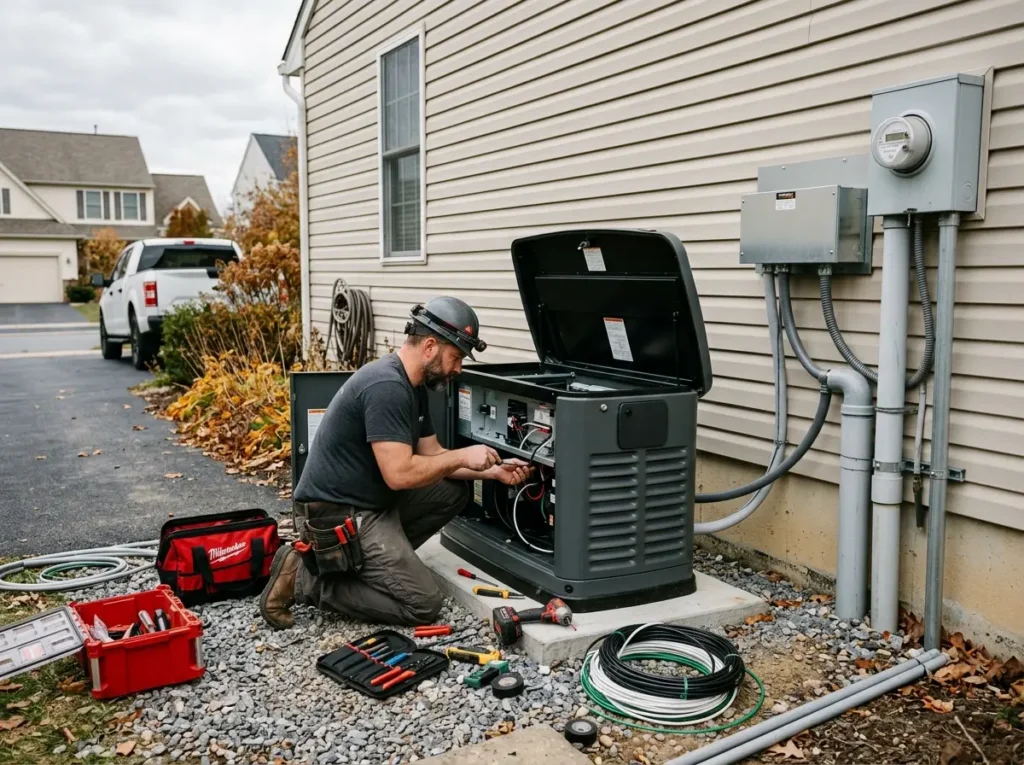
- On arrival, we wear arc flash PPE when opening any panel with a burning smell or known loose connection.
- We stabilize the hazard first (turn off affected circuit, tighten loose connections, replace arcing outlets).
- Only after the home is safe do we discuss permanent repair options and pricing.
How Long Does Emergency Service Take from Call to Safe?
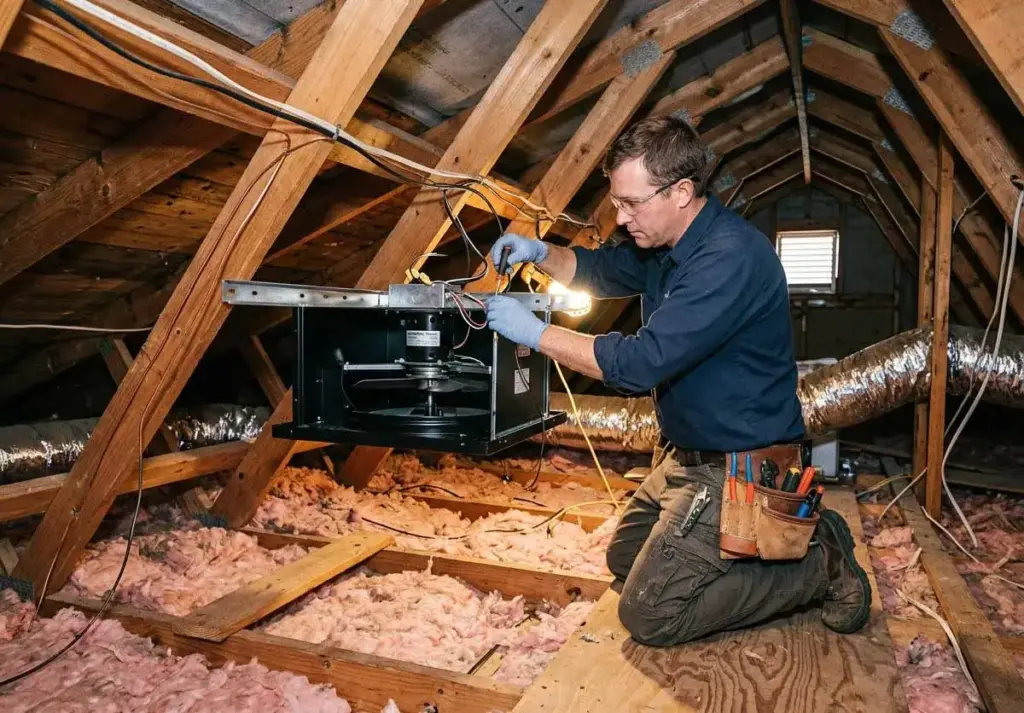
A crackling sound from outlet call total time: phone assessment (5 minutes), drive time (30-60 minutes), on-site repair (45 minutes). Total 1.5 to 2 hours from your call to safe home. A burning smell from panel call: similar but may take 1-2 hours on-site because we must open the panel, thermal scan, and possibly replace multiple breakers or tighten all lugs. A circuit breaker tripping repeatedly for a short circuit (loud bang when reset) takes 1-2 hours to diagnose whether the problem is an appliance or wiring. If wiring, we locate the damaged section using a circuit tracer — 2-4 hours total. A lost neutral (partial power loss) takes 1 hour to diagnose and confirm. We then turn off your main breaker to stop appliance damage. The utility's response time varies — sometimes 1-2 hours, sometimes 4-6 hours depending on Cocoa weather and other emergencies. We stay with you until the utility arrives (or until a family member can take over) and ensure the utility repair is done correctly. Overhead service repair after storm damage takes 2-4 hours for temporary stabilization and utility coordination. Permanent repair is typically scheduled for the next day (4-6 hours). No power in part of house with no obvious cause is the most variable emergency. If it is a tripped GFCI, 30 minutes total. If it is a failed connection in a junction box buried in an attic, 2-3 hours to find and fix. For any emergency, we charge a trip fee plus hourly time on-site. The trip fee covers our rapid response and immediate availability; the hourly rate applies only to time spent working. We disclose both before dispatching a truck, and we never charge for phone assessment or advice on how to stay safe before we arrive. If the emergency turns out to be a simple tripped GFCI that you could have reset yourself, we show you where it is, reset it, and only charge the trip fee (no hourly time) — we want you to learn for next time.
Why You Should Never Try to Fix a Crackling Outlet or Burning Smell Yourself
When you hear crackling sound from outlet or smell burning smell from panel, your instinct may be to open the outlet and look inside. Do not. Arcing outlets can have energized components even with the switch off. The arc can flash outward, causing burns or electrocution. The burning smell indicates overheating — melted insulation may have exposed live wires that are not where they should be. Our process: we always turn off the circuit (or main breaker) before opening anything. We wear insulated gloves and use a voltage tester to confirm de-energization. For circuit breaker tripping repeatedly, we see homeowners who reset the breaker 10-20 times, each time causing an arc at the fault location. Each arc damages the wire more, potentially starting a fire inside the wall. Our rule: if a breaker trips twice, do not reset it a third time. Call us. For partial power loss (lost neutral), we have seen homeowners try to "balance" the load by turning off certain breakers, hoping to even out the voltages. This does not work because the neutral is missing — the voltage imbalance is determined by the utility, not by your internal loads. Only turning off the main breaker stops the damage. For overhead service repair, never approach a downed service drop — it may still be energized even if your main breaker is off (the line side of the main breaker is always live until the utility de-energizes it). We call the utility from a safe distance and wait. Every emergency call we complete includes a written after-action report: what we found, what we fixed, what permanent work remains, and what you should watch for in the future. We also provide a simple maintenance checklist: test your GFCIs monthly (press the test button — power should cut), listen for crackling sound from outlet when you plug in devices, and smell your panel every few months for any fishy or plastic odor. These simple checks catch problems before they become emergencies.
Call our emergency dispatch now for same-day response in Cocoa. We stabilize the danger, explain what happened, and fix it right.