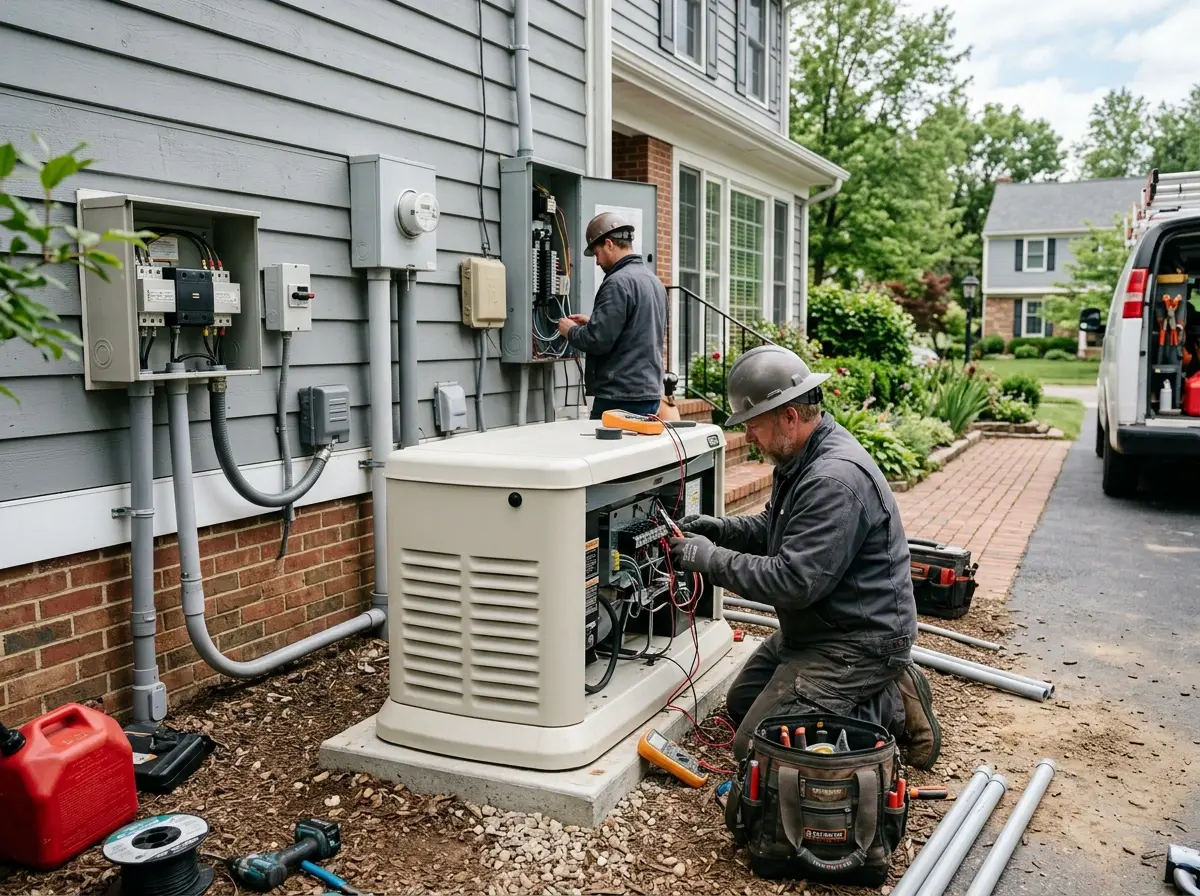
Automatic Backup Power: Your Cooper City Home Never Even Knows the Grid Failed
Imagine this: a tree branch takes down a power line on your Cooper City street at 2 AM. Your home's lights flicker for one second — then stay on. Your furnace keeps running. Your refrigerator never defrosts. Your sump pump keeps your basement dry. You sleep through the entire event. That is the reality of a properly installed whole house generator. We provide complete generator installation services, from whole house generator systems with automatic transfer switch (ATS) to portable generator hookup with generator interlock kit for budget-conscious homeowners. We also handle generator transfer switch installation for those who want semi-automatic backup.
Four Generator Scenarios We Solve for Cooper City Homeowners
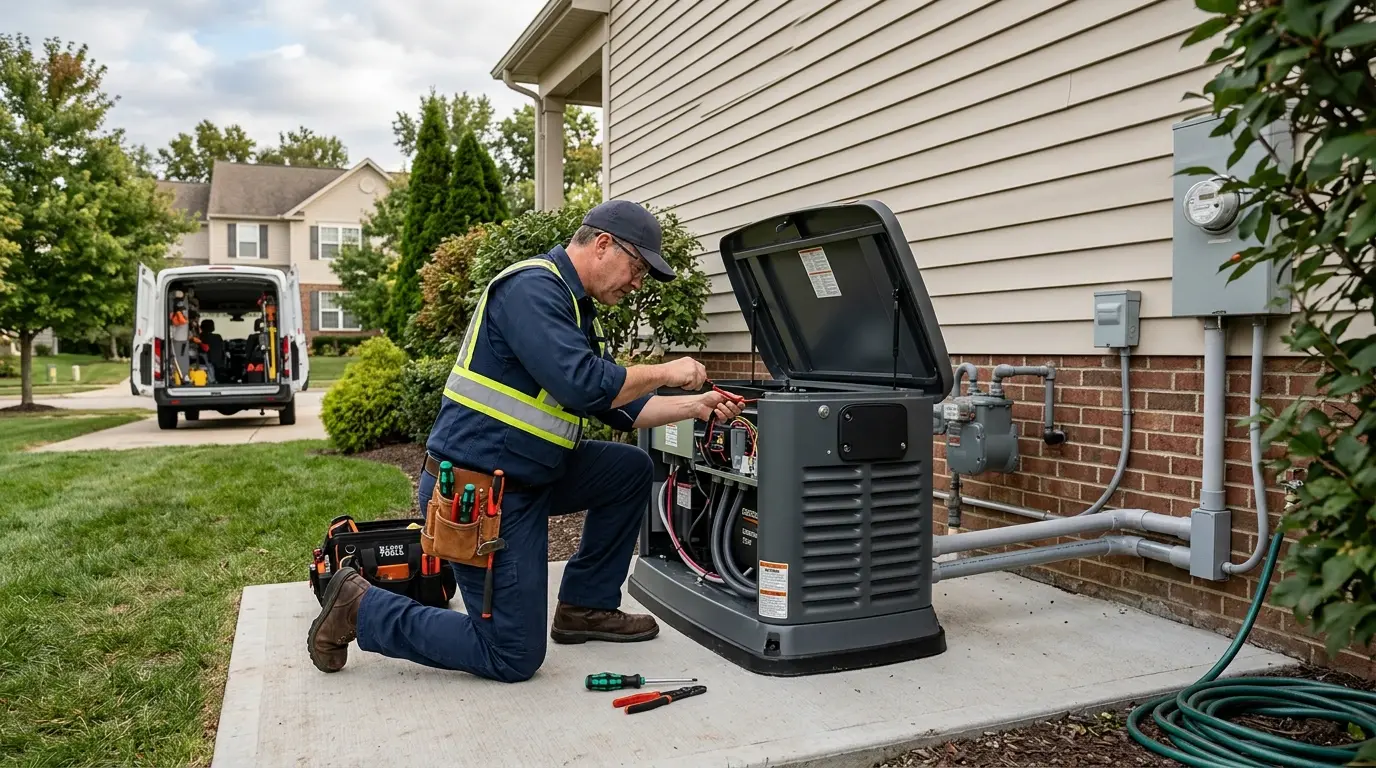
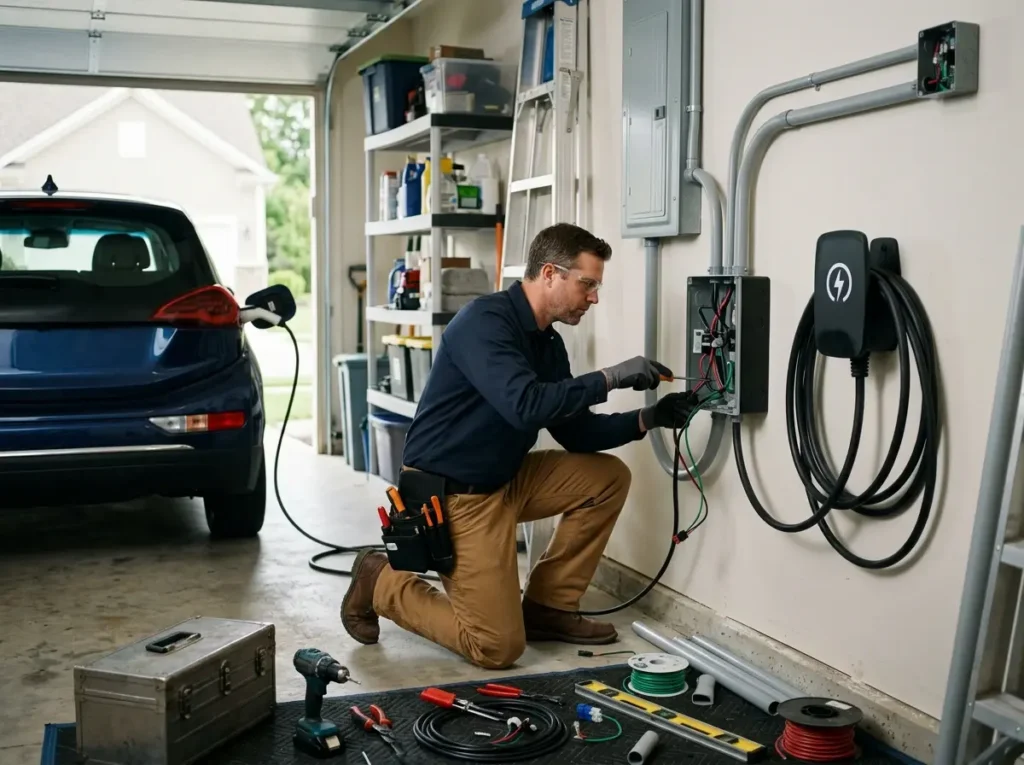
Scenario one: You own a portable generator but are afraid to use it because you have heard about backfeeding danger. We install an inlet box on your exterior wall and a generator interlock kit in your main panel. Cost: about $800-1,200 installed. Power delivered: 5,000-7,500 watts, enough for furnace, fridge, freezer, lights, and internet. Scenario two: You want seamless backup for your whole home but your budget cannot handle $10,000+ for a liquid-cooled unit. We install an air-cooled 22kW whole house generator with automatic transfer switch (ATS) for $6,000-8,000 installed. Powers everything except central AC (unless you add load shedding). Scenario three: Your home has central AC, a well pump, electric dryer, and EV charger — all the big loads. We install a liquid-cooled 36kW whole house generator with load shedding modules that automatically disconnect non-essential circuits if overload approaches. Scenario four: You live in a remote Cooper City area with propane already on site. We install a propane generator (natural gas vs propane decision made easy — propane gives you 15% more power than natural gas at the same fuel consumption rate).
Our generator installation process in Cooper City focuses on seamless automation:
- Site assessment — we measure distances from gas meter, electrical panel, and exterior placement location (minimum 18 inches from house, 5 feet from windows)
- Load calculation — we measure your home's actual peak demand using your utility bill history (NEC 220.87 method)
- Generator selection — air-cooled (22kW-26kW) for most homes, liquid-cooled (30kW-60kW) for large homes with multiple AC units
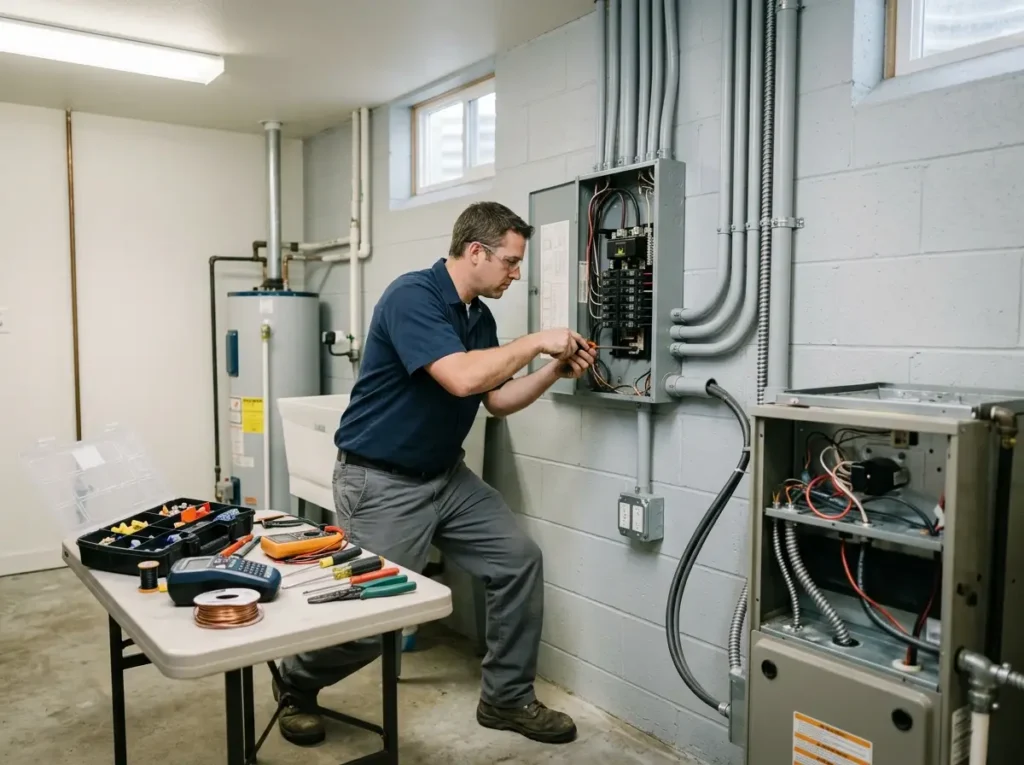
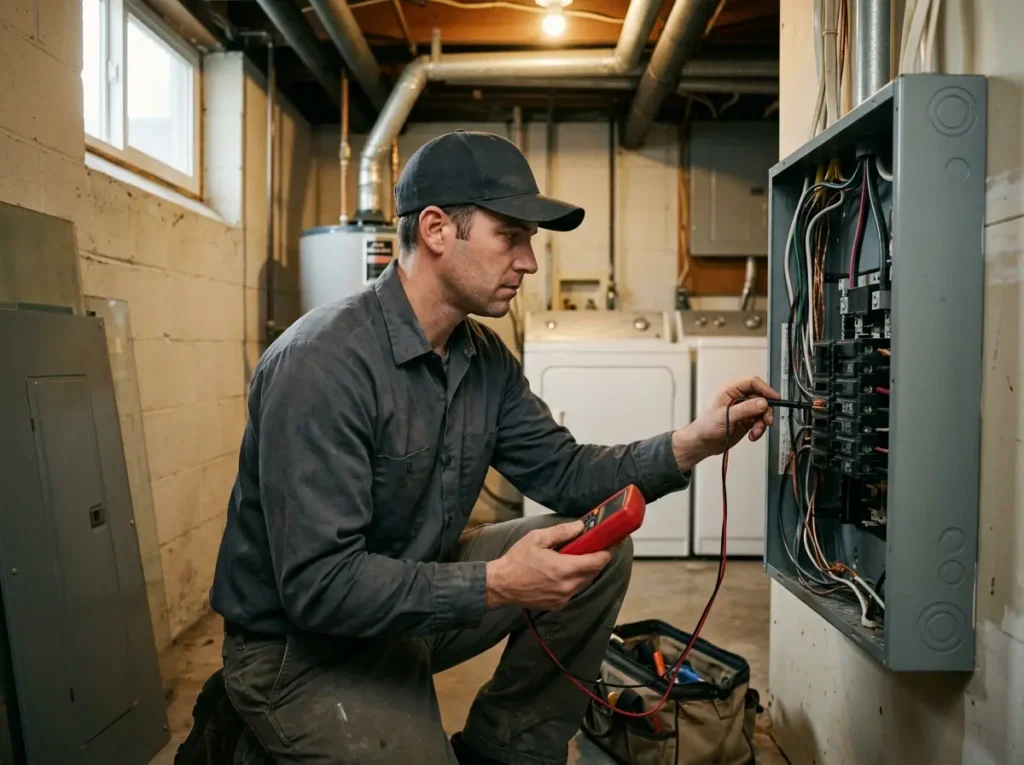
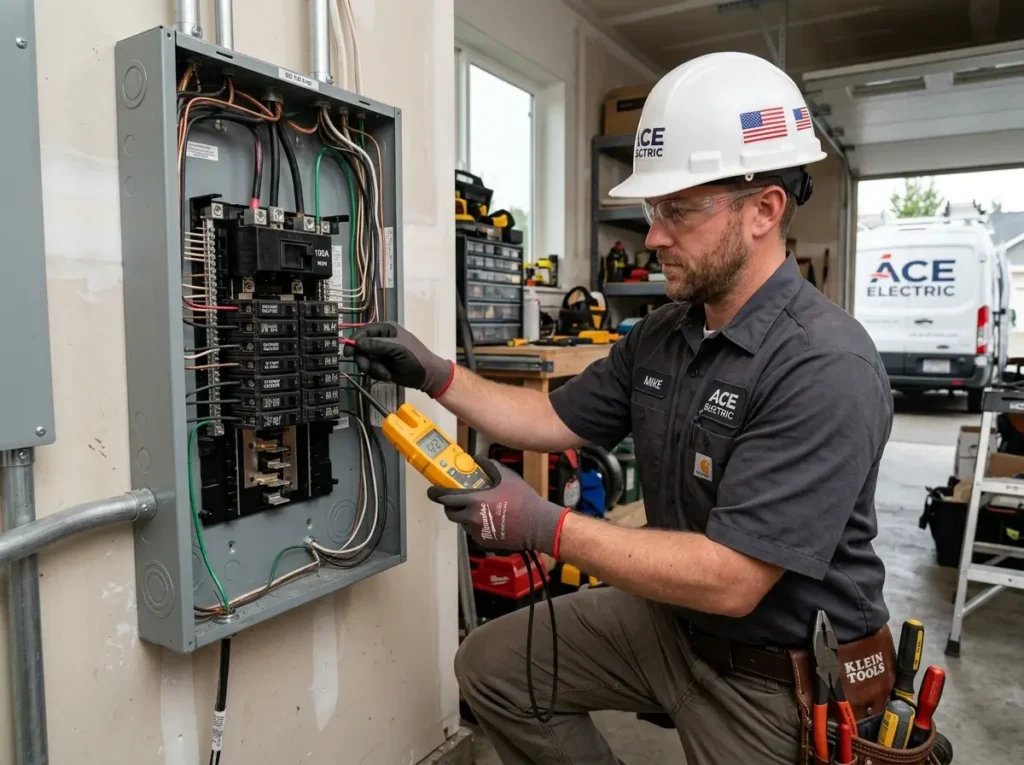
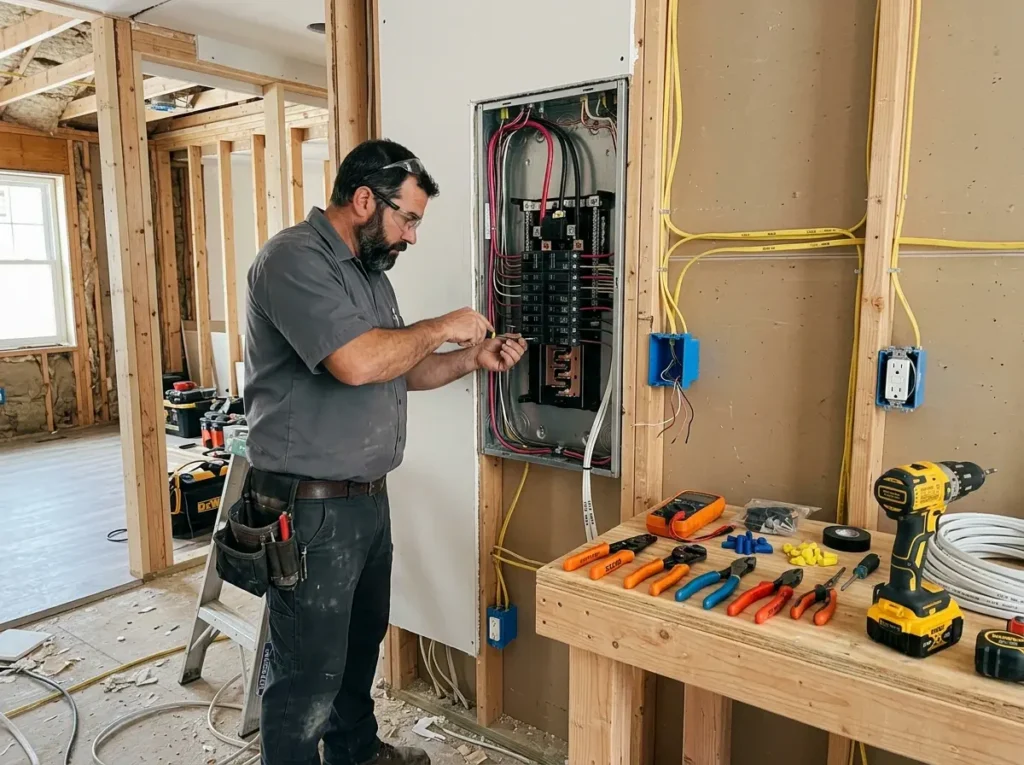
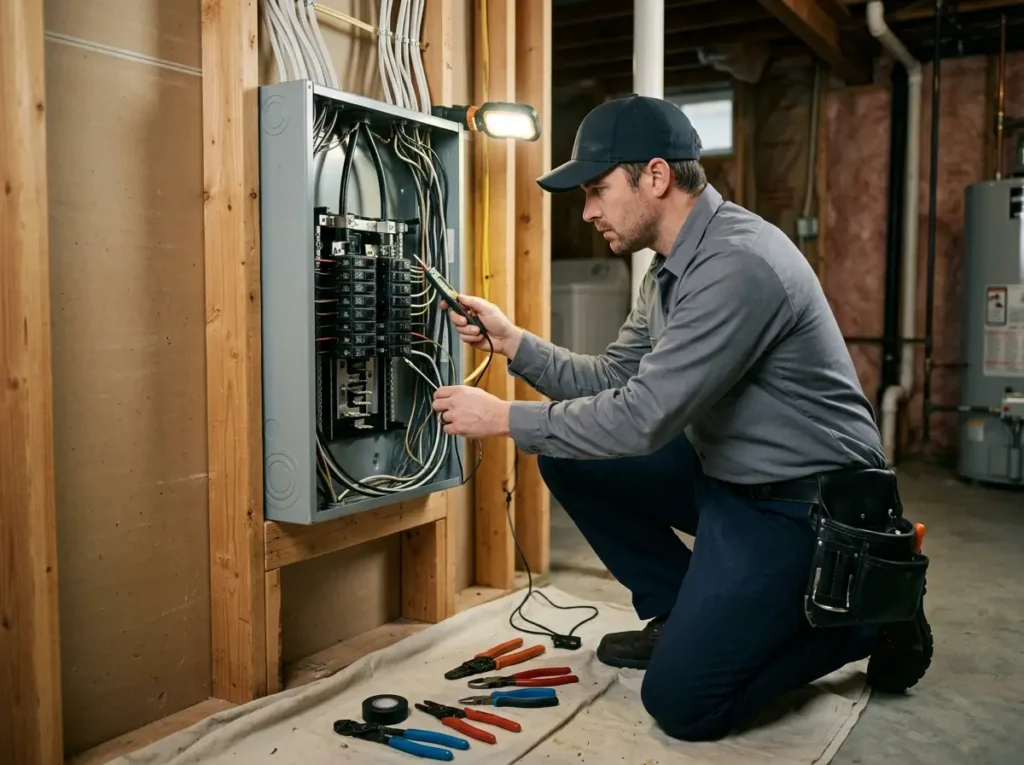
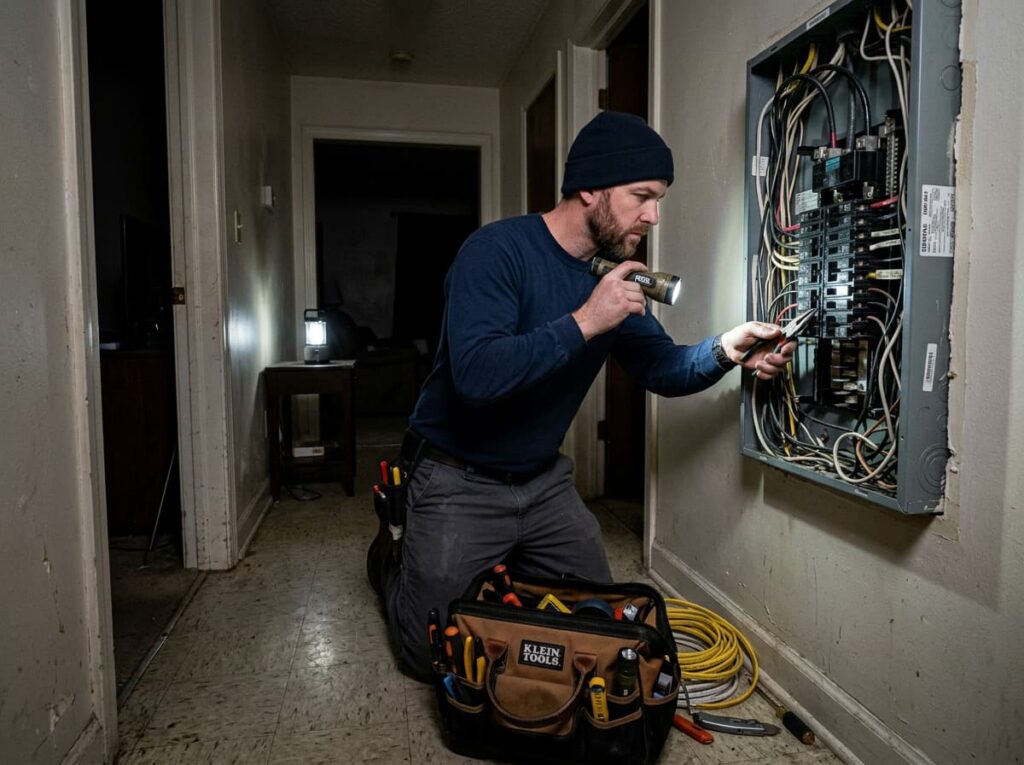
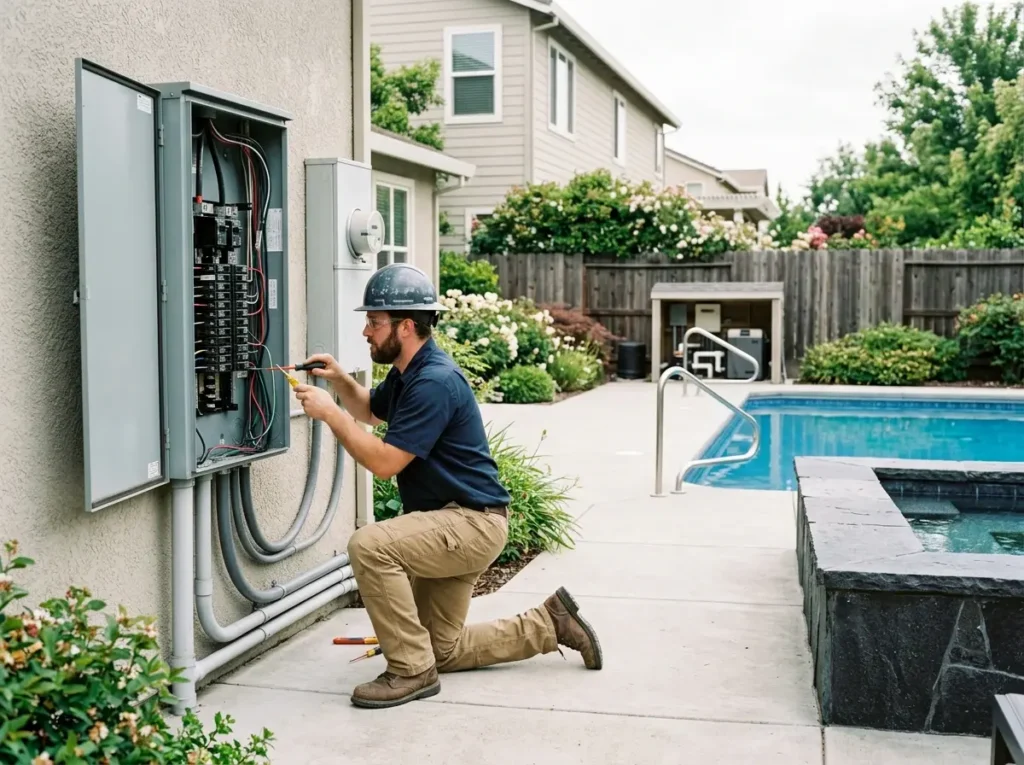
- Automatic transfer switch (ATS) installation — we install the ATS between your utility meter and main panel, including utility sensing wires and generator control wires
- Load shedding — current transformers on high-draw circuits (AC, dryer, oven, EV charger) with relays that disconnect them if generator frequency drops below 59Hz
- Natural gas vs propane line coordination — we work with your plumber to size the gas line (3/4" for 22kW, 1" for 36kW+), or with your propane supplier to set tank location
- Final commissioning — we run the generator under full simulated load for 30 minutes, verify automatic transfer, test load shedding, and set exercise schedule (weekly 10-minute run)
How Long Does Generator Installation Take from Start to Finish?
A portable generator hookup with inlet box and generator interlock kit takes 3 to 5 hours of electrical work plus any drywall repair if we need to fish wires. We typically schedule this as a half-day project. A manual generator transfer switch installation (6-10 circuits) takes 4 to 6 hours. A whole house generator installation with automatic transfer switch (ATS) for a 22kW air-cooled unit takes two full days of electrical work spread across two visits. Day one (4-6 hours): concrete pad pour (cures overnight), generator placement, gas line stub-out from meter, low-voltage control wiring from generator to ATS location. Day two (6-8 hours): ATS installation, utility disconnect, wiring of ATS between meter and main panel, generator output wiring, startup testing, load bank test, and client training. However, the utility disconnect must be scheduled with Cooper City Power. Some utilities allow us to pull the meter ourselves; others require their crew. That adds 1-2 hours of waiting or a separate appointment. For a liquid-cooled whole house generator (36kW or larger), plan on three full days: pad and gas on day one, electrical and ATS on day two, load shedding configuration and extensive testing on day three. For natural gas vs propane installations, natural gas is faster if your gas meter is already sized for the additional load (22kW requires 200-250 cubic feet per hour; typical residential meters are 250-400 CFH). If your meter is undersized, the gas utility must upgrade it — a process taking 2-4 weeks. Propane installations require a tank (typically 500 or 1,000 gallons) and a gas line from the tank to the generator. The tank supplier handles that, usually taking 1-2 weeks from deposit to installation. The most time-consuming scenario is a Cooper City home with a 100A service that needs a panel upgrade before generator installation. We perform the electrical panel upgrade (6-10 hours), then schedule the generator installation for a later date (another 8-16 hours across two days). We always provide a Gantt-chart style timeline showing electrical days, utility days, plumber days, and waiting periods, so you understand why a whole house generator installation takes 2-6 weeks from signed contract to full operation.
Why Automatic Transfer Switch (ATS) and Load Shedding Are Worth the Investment
A generator interlock kit works fine for portable generators — you wheel out the generator, plug it in, flip the interlock, and manually manage loads. For whole house generator installation, an automatic transfer switch (ATS) transforms a backup system into an invisible utility. The ATS monitors utility voltage 24/7. When voltage drops below 80% for more than 5 seconds (or to zero), the ATS sends a start signal to the generator. The generator cranks, warms up, and when it reaches stable frequency (59.5-60.5 Hz) for 5 seconds, the ATS opens the utility contactor and closes the generator contactor — all within 10-15 seconds. When utility returns for 5 minutes, the ATS transfers back to utility, runs the generator for a 5-minute cooldown, then shuts it off. You never touch a switch. For homes with central AC, load shedding is essential. A 22kW generator produces about 91 amps at 240V. A 4-ton AC unit draws 30-40 running amps but has a startup surge of 100-120 amps for 0.5 seconds. That surge will stall a 22kW generator (frequency drops to 50Hz, the generator lugs, and voltage drops below 200V). Load shedding adds a current transformer on the AC circuit and a relay that disconnects the AC compressor before the generator starts. When the generator is running and the load is stable, the load shedding controller checks if there is enough capacity to restart the AC. If so, it reconnects the AC. If not, it leaves it off. The same logic applies to dryers, ovens, and EV chargers. For natural gas vs propane decisions, we use a rule of thumb: natural gas is cheaper per BTU but requires a utility connection that can fail during earthquakes or gas main breaks. Propane is stored on your property, so even if the gas line to your street breaks, your generator still runs. For Cooper City homes in wildfire zones where gas lines sometimes get shut off preemptively, propane offers independence. For homes on wells, we prioritize the well pump as the first circuit on the ATS — no water means no toilets, no showers, no drinking water. We also add a generator interlock kit as a backup to the ATS. If the ATS electronics fail, you can manually transfer using the interlock (we train you on this). Every whole house generator installation we complete includes a remote monitoring module that texts you when utility fails, when the generator starts, when fuel runs low, and when maintenance is due. You can check generator status from your phone while on vacation. We also provide a one-page "generator fail-safe" sheet detailing manual override procedures, bypassing the automatic transfer switch (ATS) if control board fails, and how to run critical circuits directly from a portable generator as a last resort.
Call our generator specialists in Cooper City for a free site assessment. We will design a backup power system sized exactly for your home — no guesswork, no shortcuts, no backfeeding danger.