
Why That NEMA 14-50 Outlet Might Melt in Your Delray Beach Garage
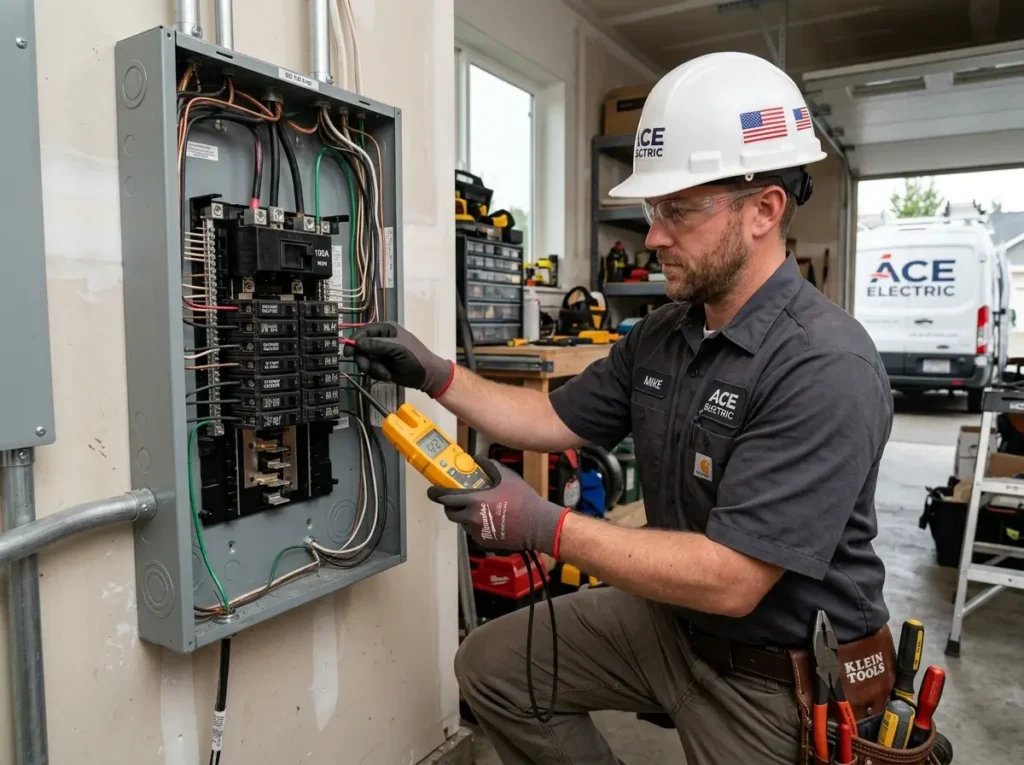
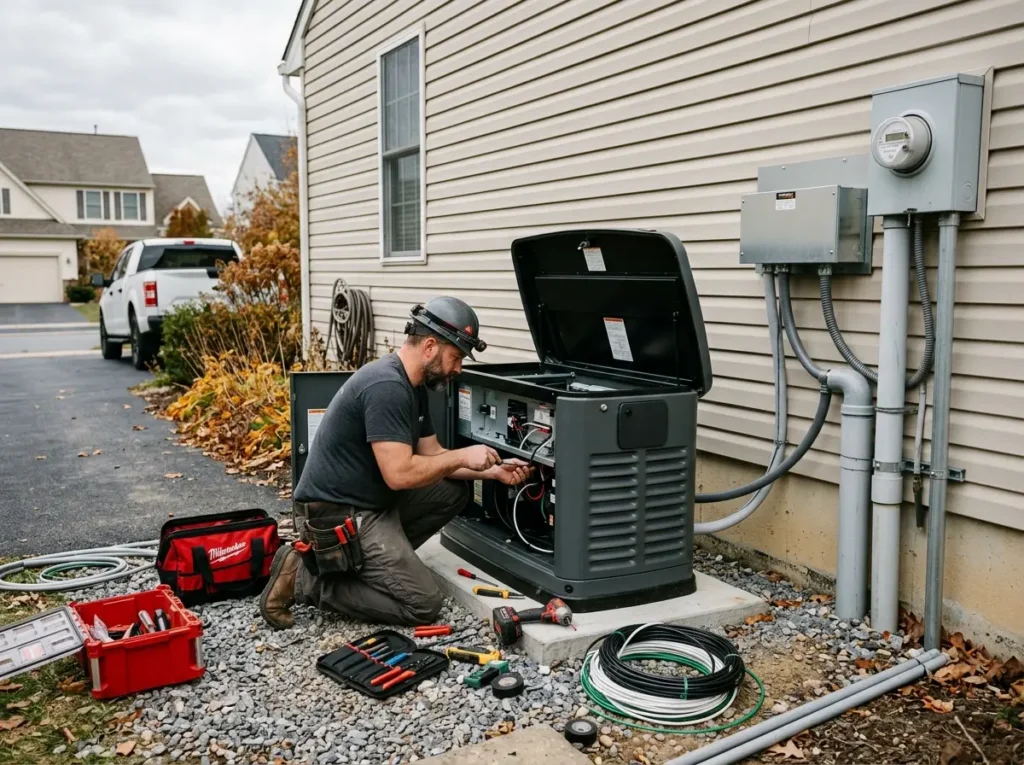
You watched a YouTube video. An electrician installed a NEMA 14-50 outlet installation for his Tesla. It looked easy. But what the video did not show is that outlet after 6 months of nightly charging — the spring-loaded contacts had loosened, the plastic had started to discolor from heat, and the wires were beginning to char. Our EV charger installation service recommends hardwired vs plug-in based on your usage. For daily charging, we strongly prefer hardwired chargers. The connection is permanent, torqued to spec, and has no outlet to fail. For occasional use or rental properties where you might move the charger, a NEMA 14-50 outlet is acceptable. We perform both types, always with proper load calculation first to ensure your Delray Beach home's panel can handle the duty cycle of overnight charging.
Four EV Charger Failures We See Weekly
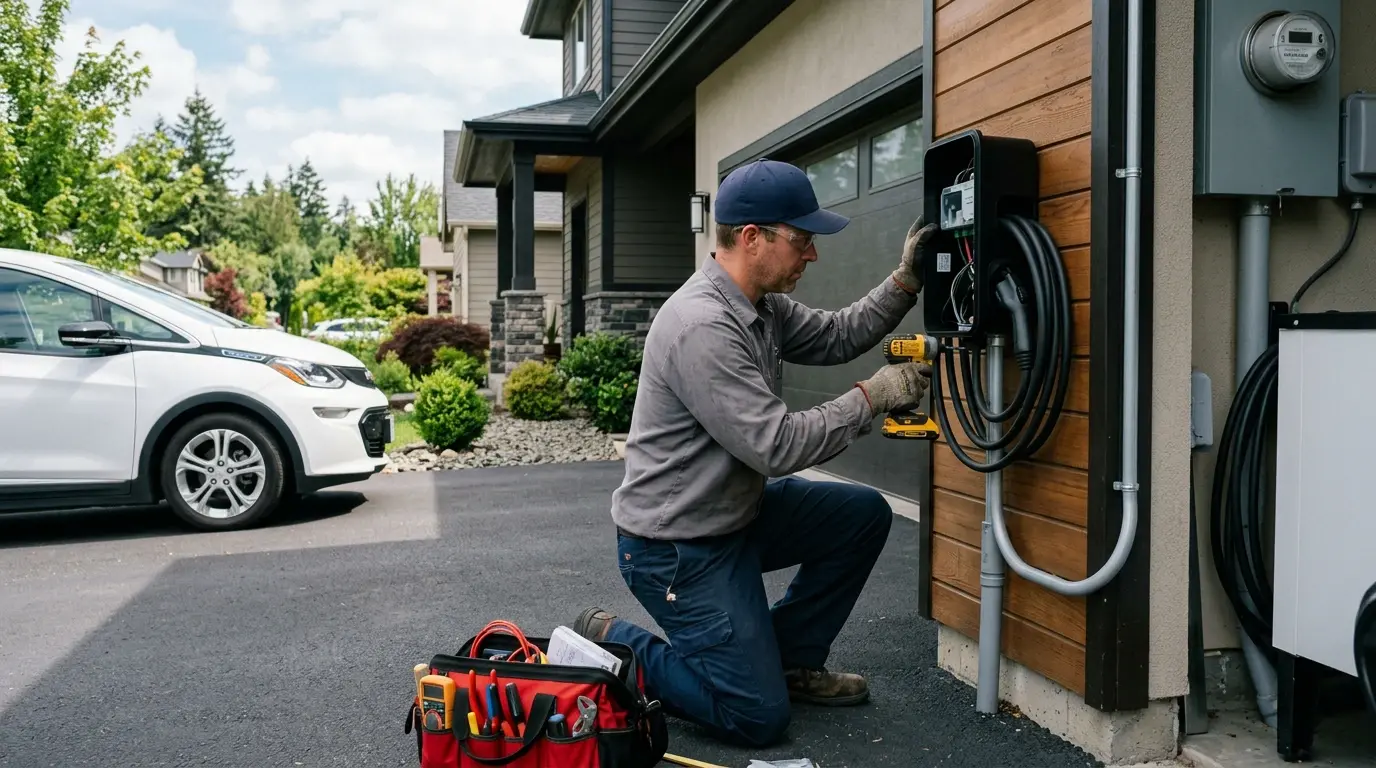
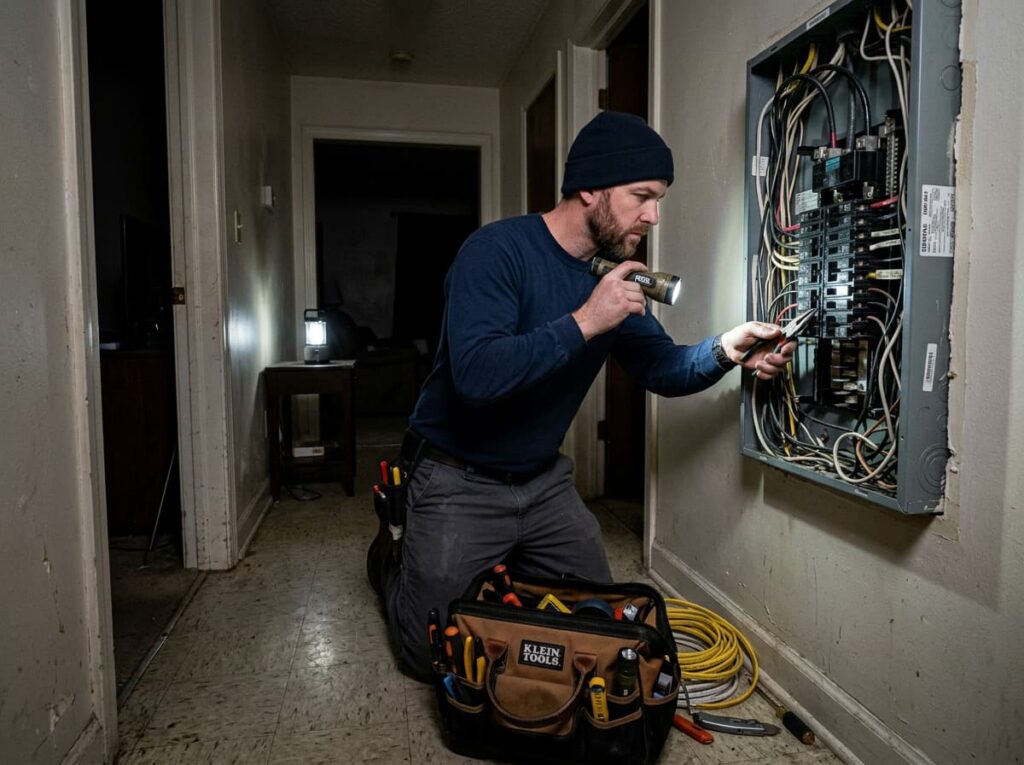
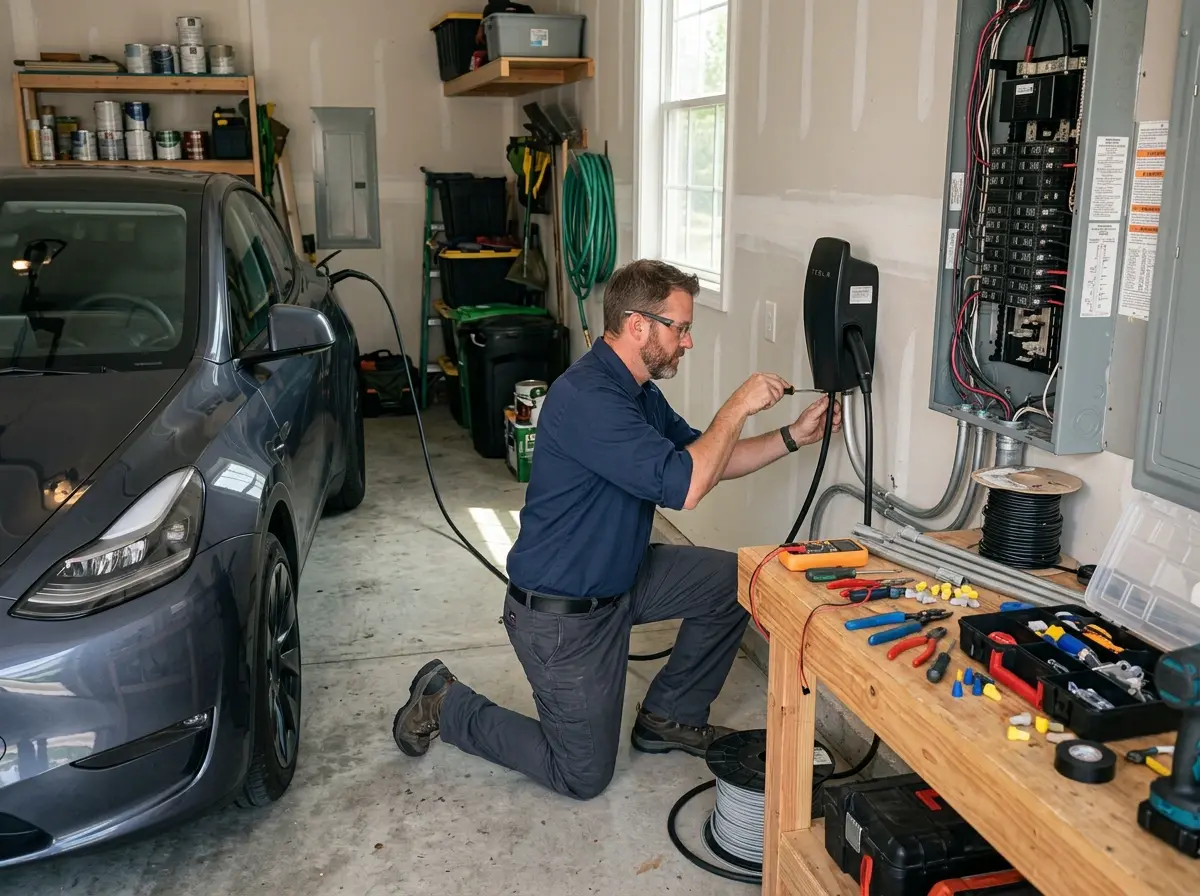
Failure one: melted NEMA 14-50 outlet after 8 months of daily charging. The outlet's internal contacts lost tension, creating resistance, then heat, then failure. We replace with a commercial-grade outlet (Hubble, Bryant) or convert to hardwired. Failure two: tripping main breaker when EV charger, AC, and dryer run simultaneously. The home's 100A panel is overloaded. We install a load management device that monitors total home current and temporarily reduces EV charger power during peak demand. Failure three: slow charging because the EV charger is on a 120V outlet. We upgrade to Level 2 EV charger installation with a 240V circuit — 3-5 miles per hour becomes 25-40 miles per hour. Failure four: Tesla home charger installation that fails to commission because the electrician did not configure the dip switches for the correct amperage. We read the manual, set the correct amperage (48A requires 60A breaker and 4 gauge wire), and test.
Our EV charger installation process in Delray Beach prioritizes reliability over speed:
- We ask about your daily driving distance to recommend the correct amperage — 16A for 30 miles/day, 32A for 60 miles/day, 48A for 100+ miles/day
- We perform load calculation before any work — no exceptions
- We choose hardwired vs plug-in: hardwired for daily charging, plug-in for flexibility
- We use commercial-grade NEMA 14-50 outlets (Hubble, Bryant, Cooper) if plug-in is chosen — never the $10 Leviton outlets that fail
- We torque every connection to manufacturer spec and document torque values
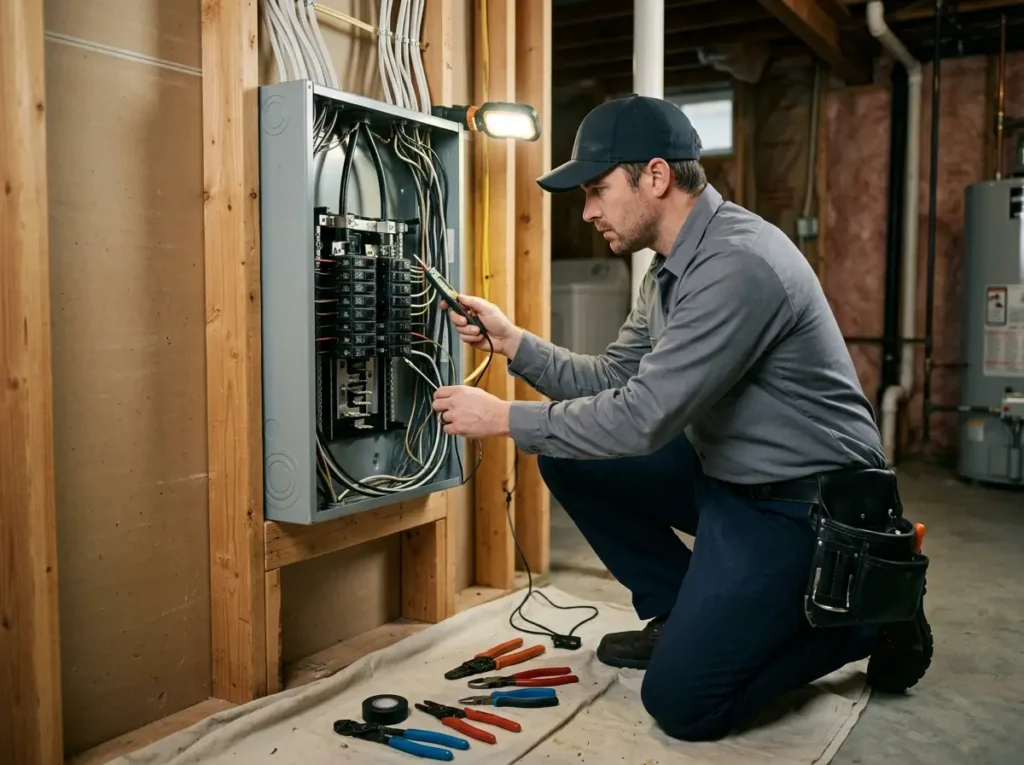
- We run the charger at full power for one hour and thermal scan every connection before leaving
- For Tesla home charger installation, we commission the charger using the Tesla One app and verify the LED status (green pulsing = charging)
How Long Does EV Charger Installation Take?
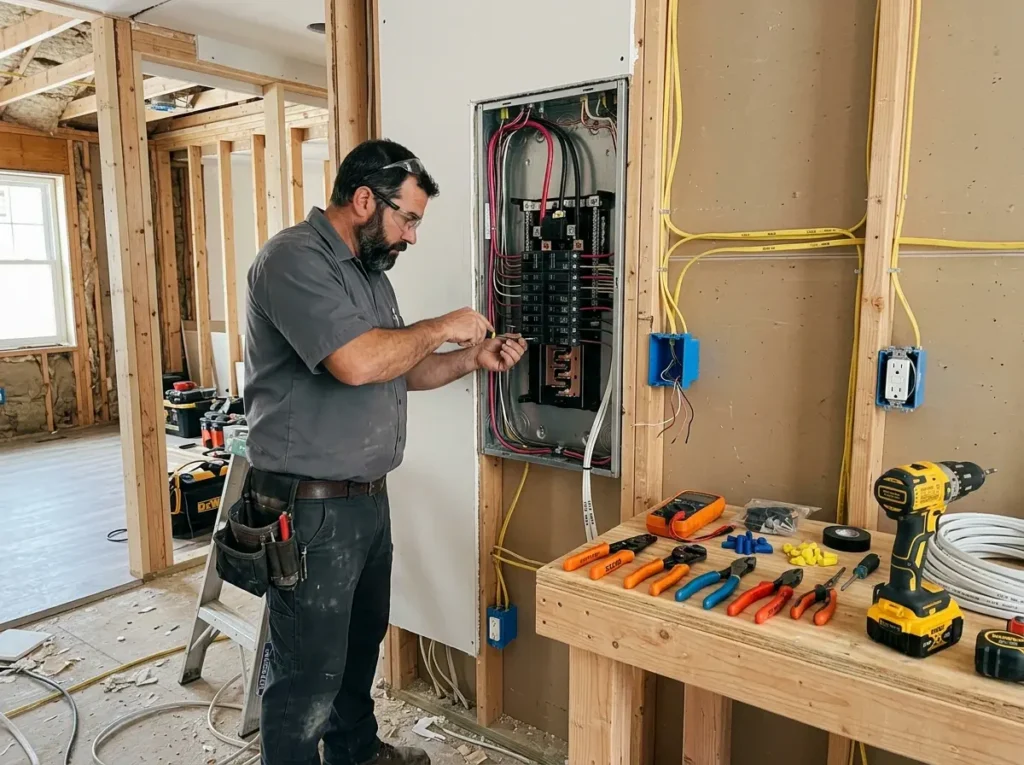
A hardwired EV charger installation in a garage with an existing 200A panel and open breaker slot takes 2 to 3 hours. A NEMA 14-50 outlet installation in the same scenario takes 2 to 3 hours as well — similar labor, different materials. A Tesla home charger installation takes 2 to 3 hours plus 30 minutes for app commissioning. A load management device installation adds 1 to 2 hours for sensor installation and programming. A panel upgrade for EV from 100A to 200A is a separate 6-10 hour project. A detached garage installation with trenching takes 6 to 10 hours for trenching and conduit, plus 2-3 hours for the charger. If your Delray Beach home has a finished basement and we need to fish 6/3 Romex through finished ceilings, add 2-4 hours. The most time-consuming scenario is a home with a concrete slab foundation and no crawlspace, requiring surface-mounted conduit on the exterior wall from the panel to the garage — 4-6 hours for a 50-foot run, plus the charger installation. We always provide a flat-rate price for standard installations (panel in garage, open slot, 50-foot run or less) and an hourly rate plus materials for custom runs. We also provide a written estimate for any required panel upgrade for EV, including utility coordination and permit fees.
Why Duty Cycle and Wire Gauge Matter More for EV Chargers Than Anything Else
An EV charger is a continuous load. The NEC defines a continuous load as one that runs at maximum current for 3 hours or more. EV chargers often run for 6-10 hours overnight. Code requires continuous loads to be sized at 125% of the nameplate rating. That means a 40A EV charger needs a 50A breaker and 6 gauge wire. A 48A charger needs a 60A breaker and 4 gauge wire. Many DIY installations use undersized wire (8 gauge for 40A, 6 gauge for 48A) — the wire overheats, insulation melts, and a fire starts inside your wall. We use the correct wire gauge for every installation. For hardwired vs plug-in, we explain that the NEMA 14-50 standard was designed for ovens and dryers — loads that run for 45-60 minutes, not 8 hours. The outlets work fine for those appliances. For EV charging, the continuous high current accelerates wear on the outlet's internal contacts. After 6-12 months, the contacts loosen. Resistance increases. The outlet heats up. We have seen outlets reach 180°F — hot enough to burn your hand and melt nearby insulation. Hardwired chargers eliminate the outlet entirely. The EVSE wires go directly into a junction box or directly into the charger's enclosure. No outlet to fail. For Tesla home charger installation, hardwired is the only option for the Wall Connector. The Mobile Connector uses a NEMA 14-50 plug but is limited to 32A (not 40A) and is designed for occasional use, not nightly charging. For load calculation, we use the NEC 220.82 method: first 8kVA at 100%, remaining load at 40%, then add the largest motor at 25%, then add the EV charger at 100%. If the total is under 100A for a 100A panel, the panel has capacity. If over, we recommend panel upgrade for EV or load management. For duty cycle verification, we run the EV charger for one hour at full power, measuring current with a clamp meter every 15 minutes. The current should remain stable within 2% of the rated value. If current drops, the charger may be overheating and throttling itself — a sign of a bad unit or incorrect installation. We also measure voltage at the charger terminals under load. Voltage drop should be less than 3% (about 3.6V on a 120V leg). If voltage drop exceeds 3%, the wire is too small or the run is too long — we recommend upsizing the wire. Every EV charger installation we complete includes a one-hour monitored test, a thermal image report, and a written load calculation for your records.
Call our EV charger experts in Delray Beach for a hardwired installation that stands up to nightly charging. We skip the outlet that fails and go straight to reliable, permanent power.