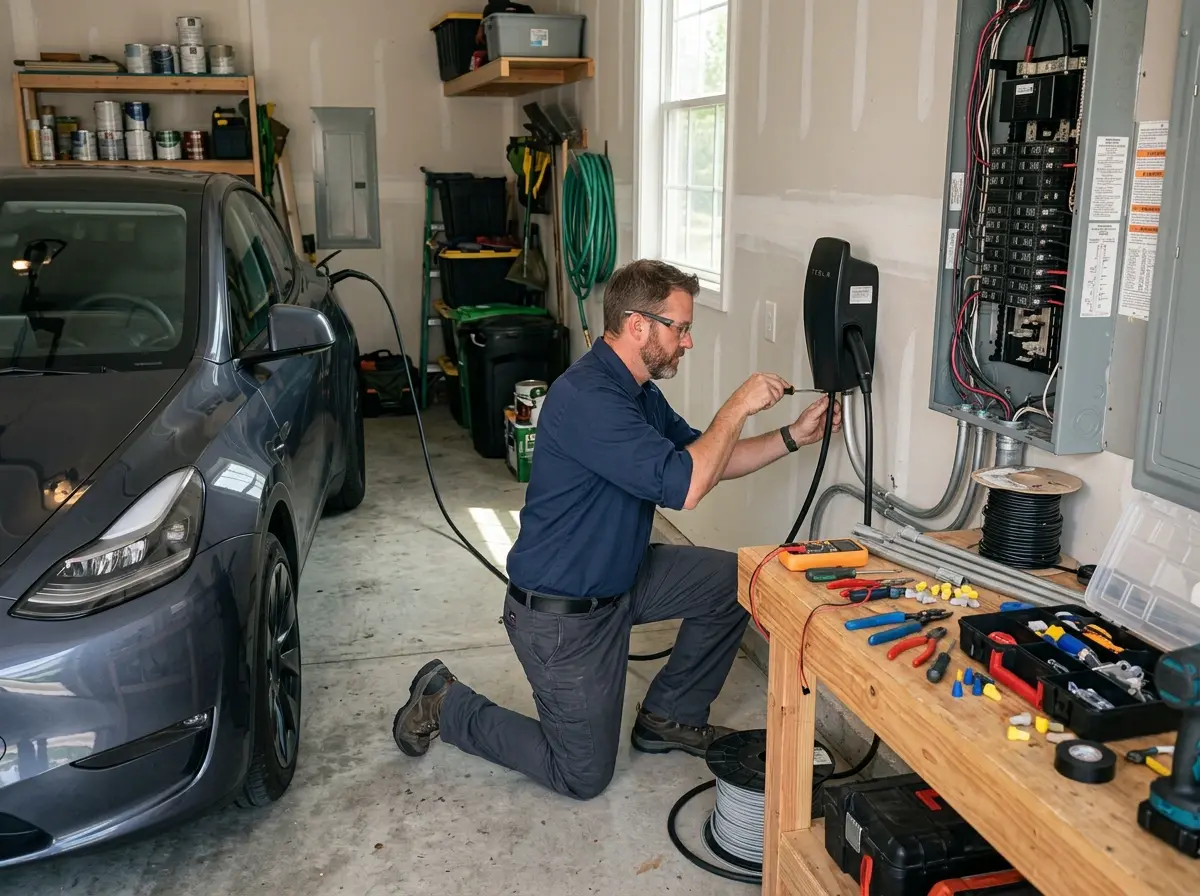
Your Pompano Beach Home's 100A Panel Was Not Designed for an EV Charger
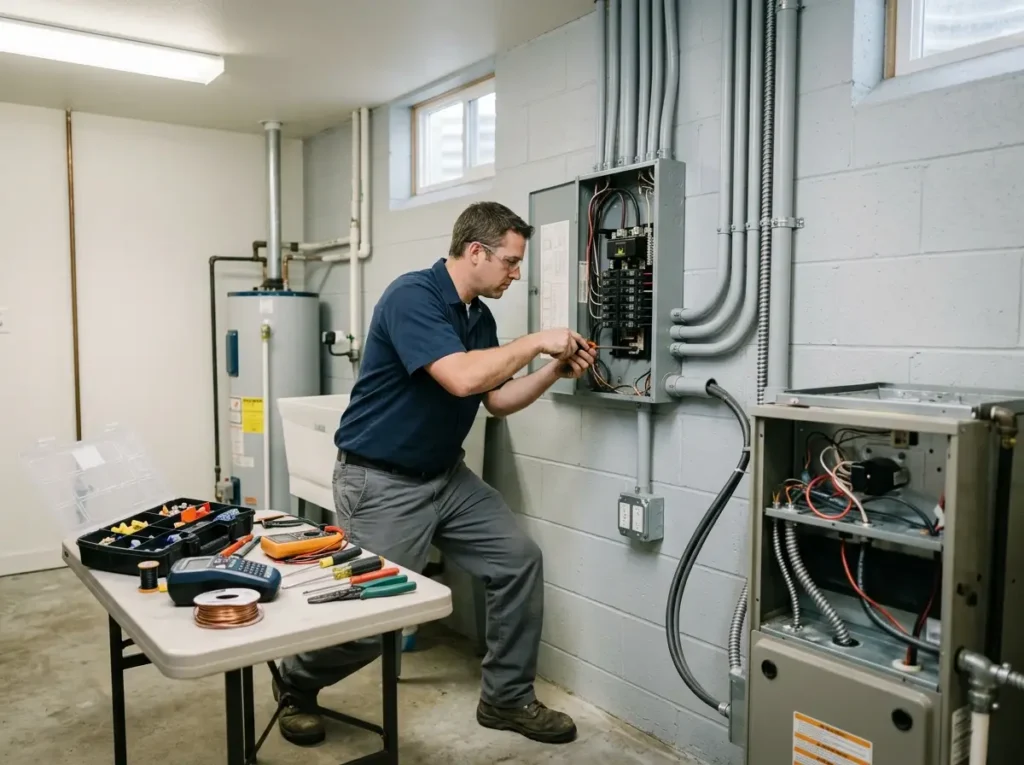
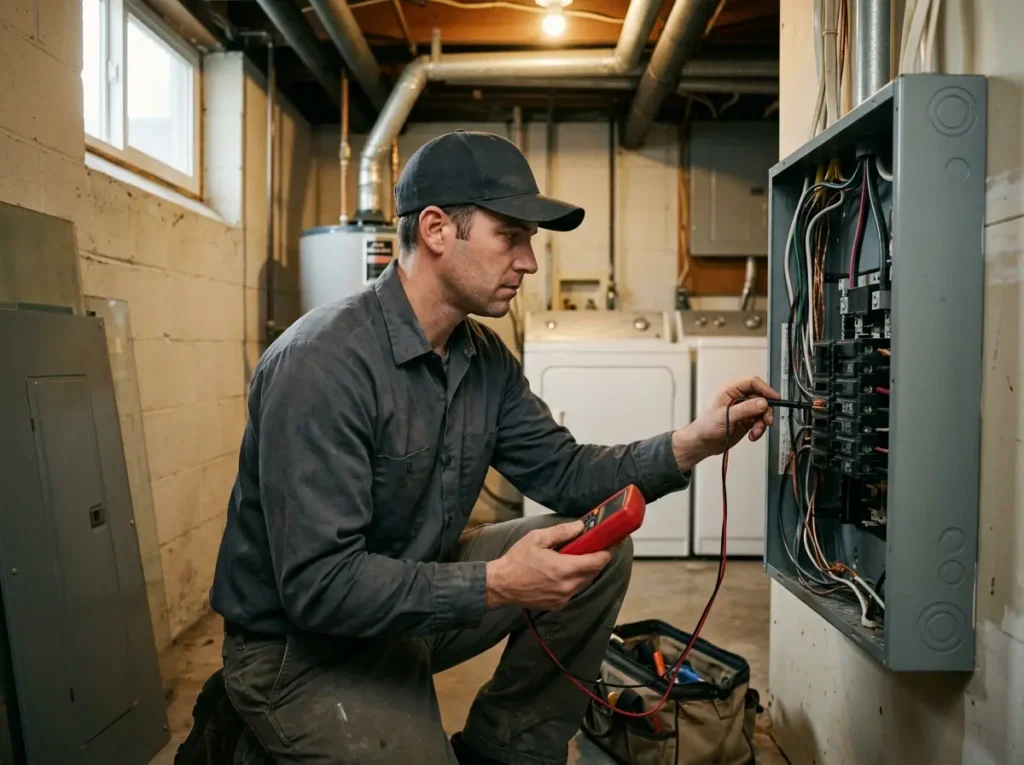
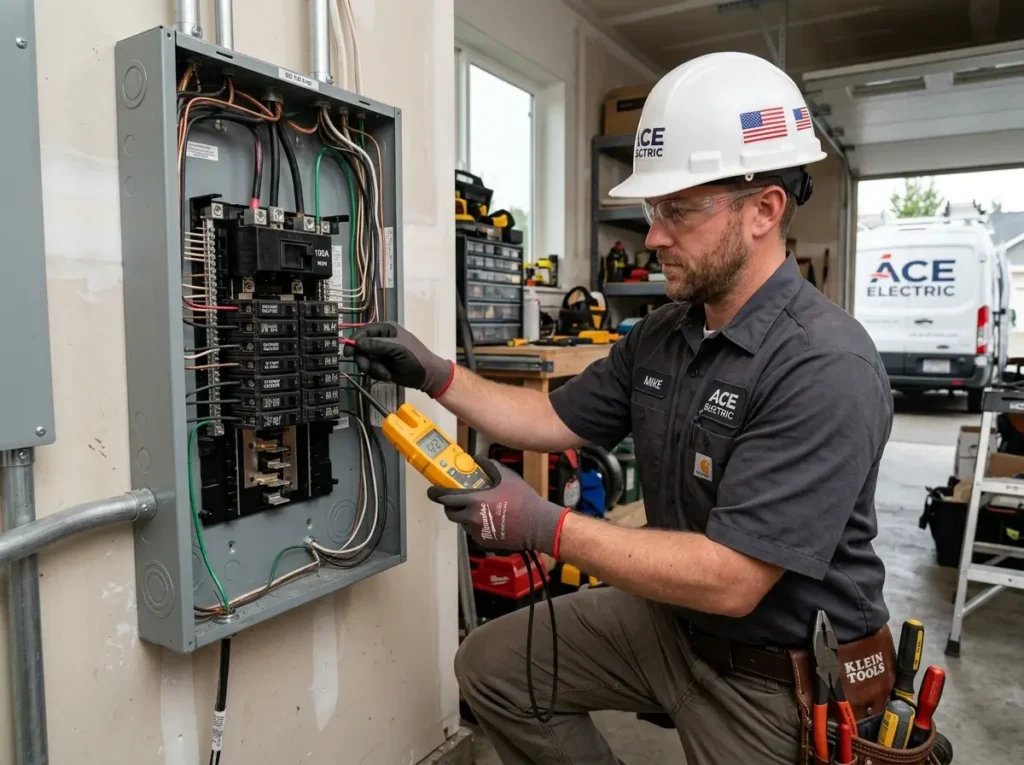
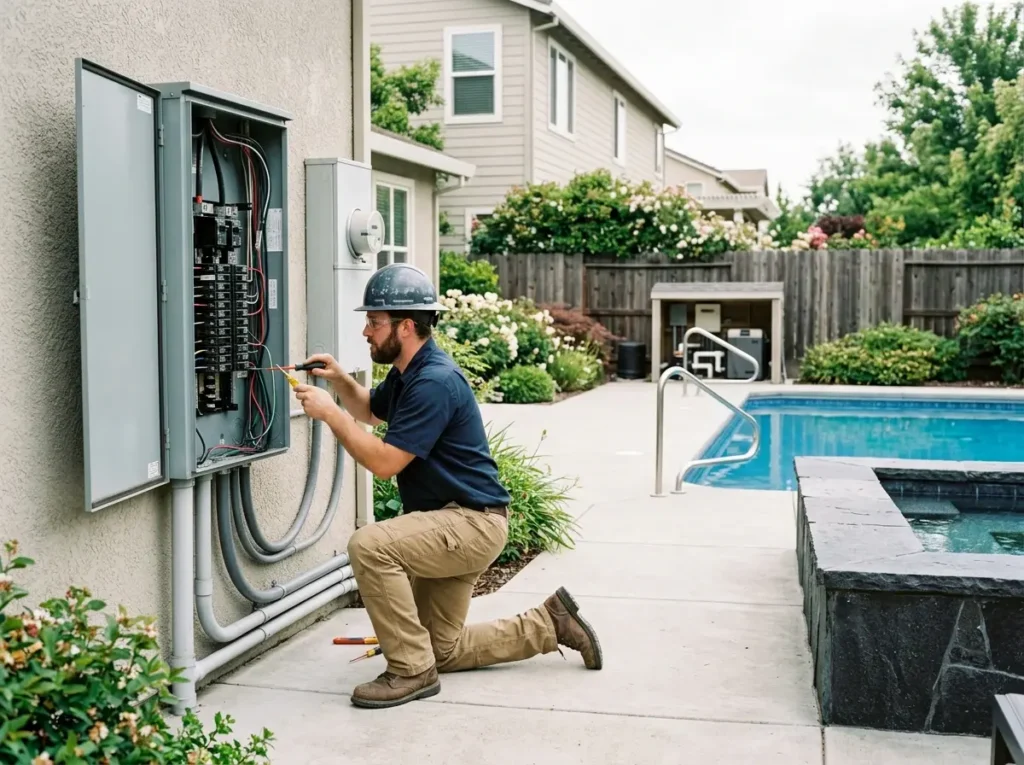
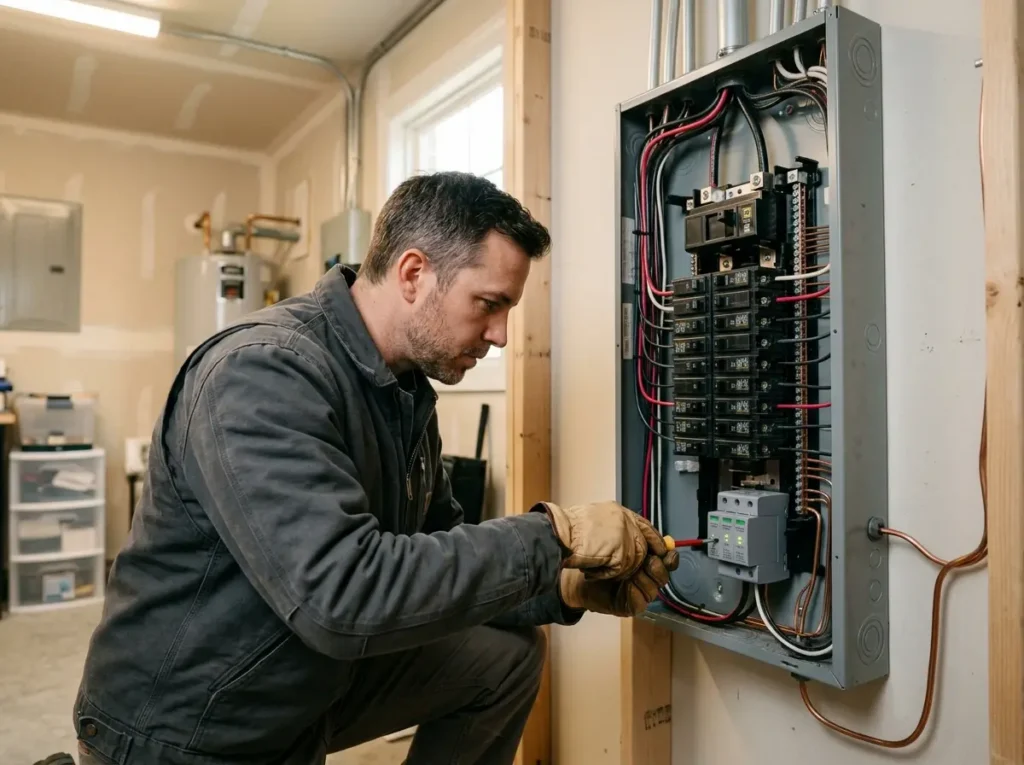
You bought an electric car to save money on gas. But if your home's electrical panel cannot handle the additional 40-80 amps of a Level 2 EV charger installation, you will face tripped breakers, overheated wires, and potentially a costly panel upgrade for EV. Our process starts with a load calculation — an NEC-required analysis of your home's existing electrical demand versus its panel capacity. For many Pompano Beach homes built before 1990, a 100A panel already runs near its limit with central AC, electric dryer, oven, and lighting. Adding a 50A EV charger pushes it over the edge. We present three solutions: upgrading to 200A panel ($2,500-4,500), installing a load management device that throttles the charger when other loads run ($500-800), or downsizing the charger to 16A or 24A ($200-400 less equipment cost).
Five EV Charger Scenarios We Handle in Pompano Beach
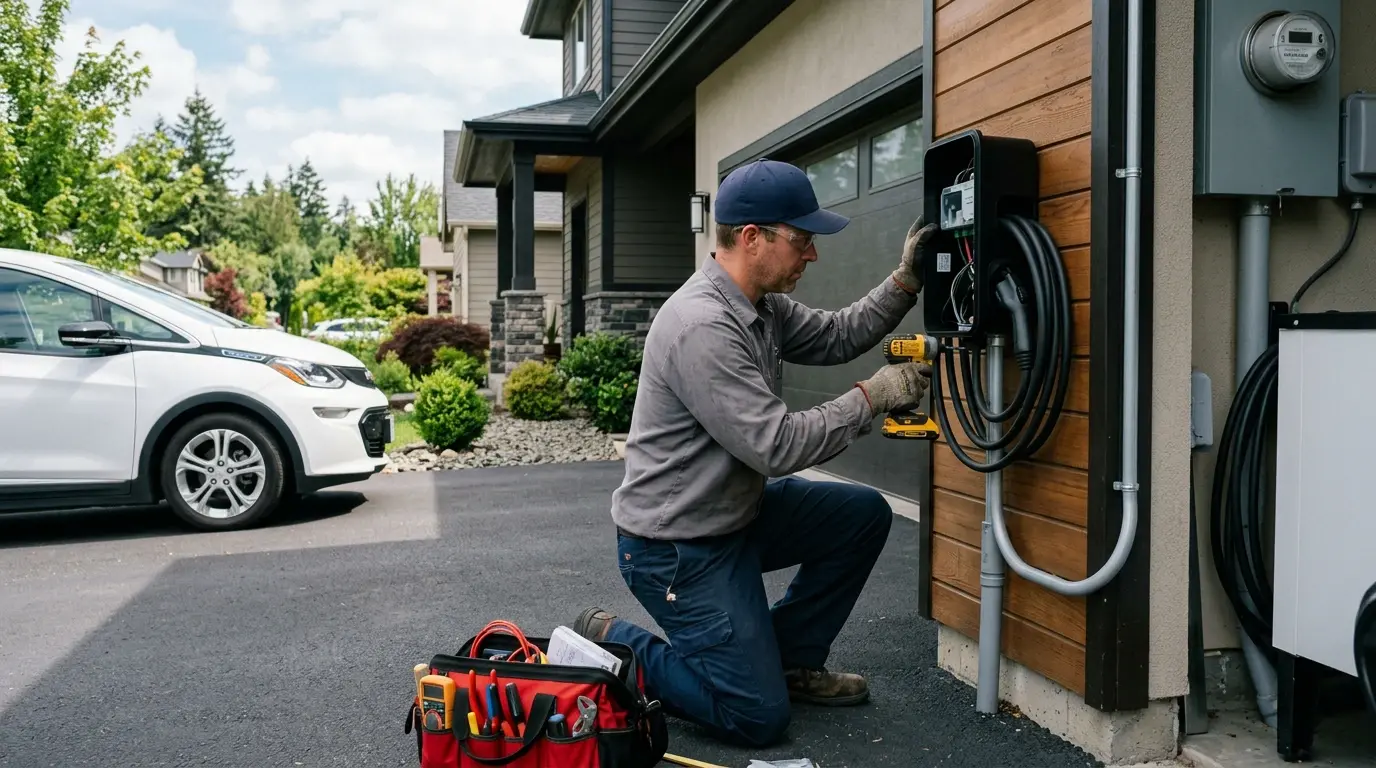
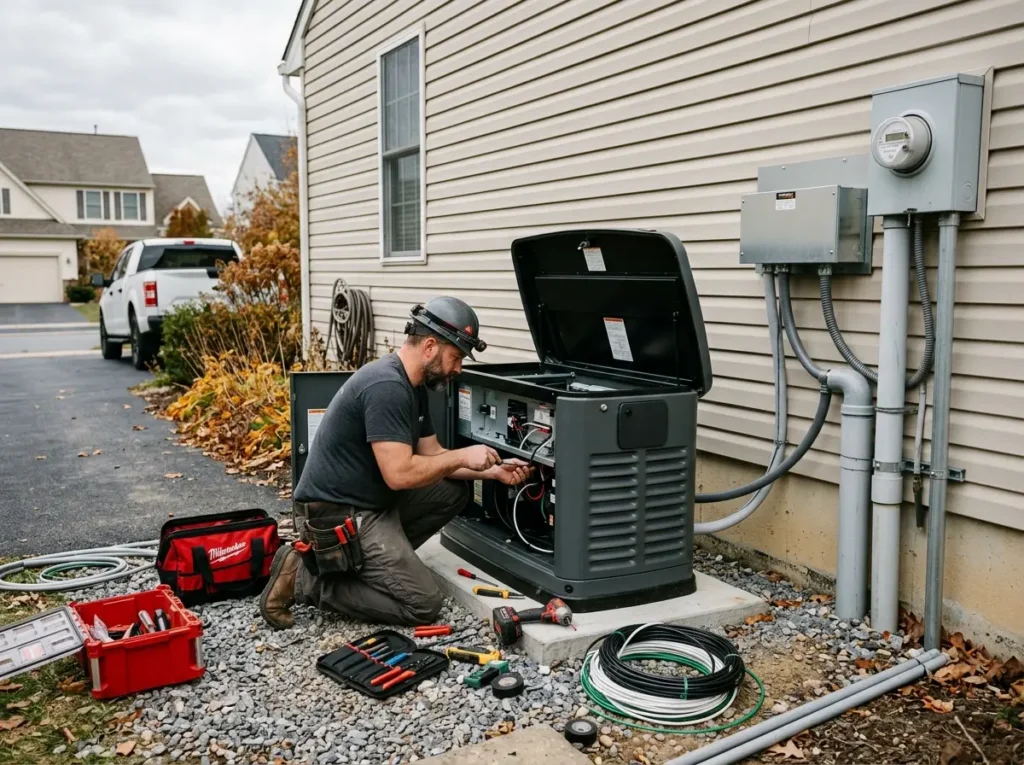
First, a homeowner with an attached garage and a 200A panel with open breaker slots. We install a NEMA 14-50 outlet installation or hardwired charger in 2-3 hours. Second, a homeowner with a 100A panel and central AC. Our load calculation shows the panel is overloaded. We install a load management device that monitors total home current and reduces EV charger power when the AC compressor starts — 3-4 hours plus device cost. Third, a homeowner with a detached garage and no existing 240V feed. We trench 18 inches deep, lay PVC conduit, pull 6/3 THHN wire, install a subpanel in the garage, then install the EV charger — 6-10 hours over 1-2 days. Fourth, a Tesla owner who wants a Tesla home charger installation with 48A hardwired charging. We verify panel capacity, run 6/2 MC cable (since Tesla chargers do not need a neutral), install a 60A breaker, and commission the charger via the Tesla One app — 3-4 hours. Fifth, a homeowner who already bought a NEMA 14-50 outlet and a plug-in charger but wants to upgrade to hardwired vs plug-in for reliability. We remove the outlet, install a weatherproof junction box, and hardwire the charger — 1-2 hours.
Our EV charger installation process in Pompano Beach is methodical and code-compliant:
- Load calculation using NEC 220.82 — we measure square footage, appliance loads, and the EV charger at 100%
- Panel capacity assessment — 100A, 150A, or 200A? Any open breaker slots?
- Distance measurement from panel to charger location — voltage drop calculation for runs over 100 feet
- Selection of hardwired vs plug-in: hardwired for outdoor or daily use (no outlet to fail), plug-in for indoor flexibility
- Breaker and wire sizing: 50A requires 6/3 Romex or 6/2 MC cable (if no neutral needed), 60A requires 4 gauge
- EVSE mounting — at proper height (48 inches to cord reach) within cord length of charge port
- Post-installation testing — one hour of charging at full power with thermal imaging of every connection
How Long Does EV Charger Installation Take?
A straightforward Level 2 EV charger installation in an attached garage with an existing 200A panel and open breaker slot takes 2 to 3 hours. We mount the EVSE, run conduit or Romex through the garage wall, install a new 40A, 50A, or 60A breaker, connect all wires, and test. A Tesla home charger installation with hardwired connection typically takes the same 2-3 hours, plus 30 minutes for app configuration. A NEMA 14-50 outlet installation with no existing 240V circuit takes 2 to 4 hours, depending on distance from panel. A load management device installation (EV charger throttling) adds 1-2 hours to configure current sensors and program the device. A panel upgrade for EV from 100A to 200A is a separate project taking 6-10 hours plus utility coordination, typically scheduled before the EV charger installation. A detached garage installation with trenching takes 6 to 10 hours for the trench and conduit alone, plus 2-3 hours for the charger. The most time-consuming scenario in Pompano Beach is a home with a finished basement and finished garage ceiling, requiring us to fish 6/3 Romex through inaccessible spaces. We may need to cut access holes in drywall, patch afterward — add 2-4 hours. We always provide a written quote with two options: standard installation (if access is good) and worst-case access (if we hit unexpected obstacles). We charge the actual time but cap the overage at 20% of the estimate.

Why Load Calculation Is the Most Important Step Before Any EV Charger Installation
Most homeowners assume that if their panel has an open slot, they can add an EV charger. That assumption is wrong. NEC 220.82 requires a load calculation whenever adding a large continuous load. A 50A EV charger is a continuous load (defined as running at maximum for 3+ hours). NEC requires you to size continuous loads at 125% of the nameplate rating — so a 40A charger actually requires 50A of panel capacity. For a 100A panel with central AC (30-40A), dryer (30A), oven (40A), and lighting (10-15A), the calculated load already exceeds 100A without the charger. Adding a 50A charger makes it impossible. Our load calculation reveals this before you buy equipment. We then present options: panel upgrade for EV to 200A (best long-term), load management (great for budget-conscious), or downsizing the charger (16A adds 12-15 miles per hour, enough for most commutes). For hardwired vs plug-in, we explain: plug-in (NEMA 14-50 outlet) is convenient because you can swap chargers easily. But the outlet's spring-loaded contacts are not designed for continuous 8-hour charging. Over time, the springs weaken, resistance increases, heat builds, and the outlet melts. We have replaced dozens of melted NEMA 14-50 outlets. Hardwired chargers eliminate the outlet completely — the charger's wires connect directly to the home's wiring inside a junction box. No outlet to fail. We recommend hardwired for any EV charger used daily. For Tesla home charger installation, hardwired is the only option (Tesla does not sell a plug-in Wall Connector; the Mobile Connector is plug-in but limited to 32A). For duty cycle, we explain that EV chargers run at full power for hours. Your toaster runs for 3 minutes. Your dryer runs for 45 minutes. Your EV charger runs for 8 hours. This is why we torque every connection to spec and thermal scan after one hour of charging. A slightly loose connection that would be fine for a toaster will heat to 150°F after 4 hours of EV charging. We find these hot spots before they become a fire hazard. For EVSE (Electric Vehicle Supply Equipment), we are brand-agnostic. We install Tesla, ChargePoint, Grizzl-E, JuiceBox, Emporia, Wallbox, and any other UL-listed EVSE. We read the manual for each brand to verify wire gauge requirements and configuration steps. Every EV charger installation we complete includes a commissioning report: load calculation results, wire gauge and length, breaker size, torque values for every connection (recorded with a torque screwdriver), thermal images after 1 hour of charging, and a signed safety checklist.
Call our EV charging team in Pompano Beach for a load calculation before you buy any equipment. We will tell you what your panel can handle — and what it cannot.