
Adding Modern Electrical to Your Palm Beach Historic Home — Without Destroying the Plaster
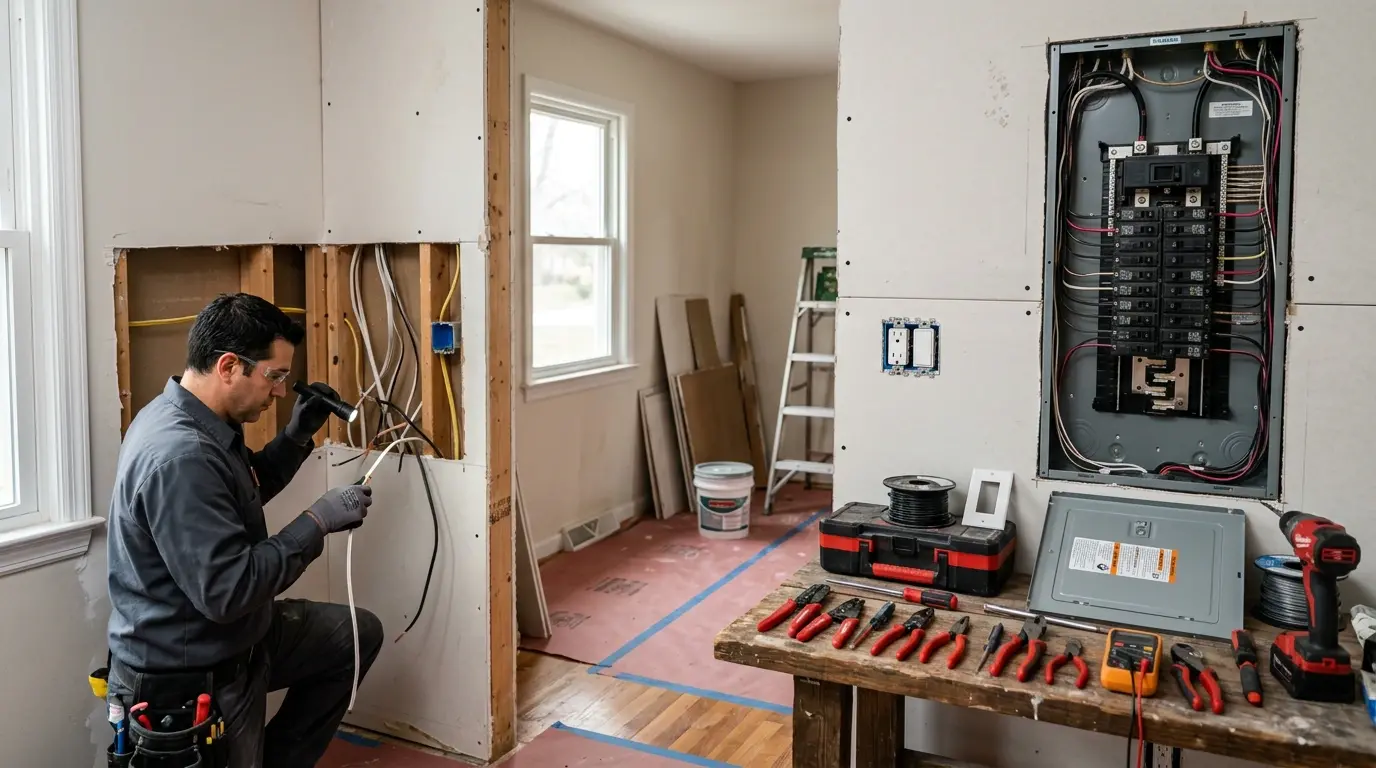
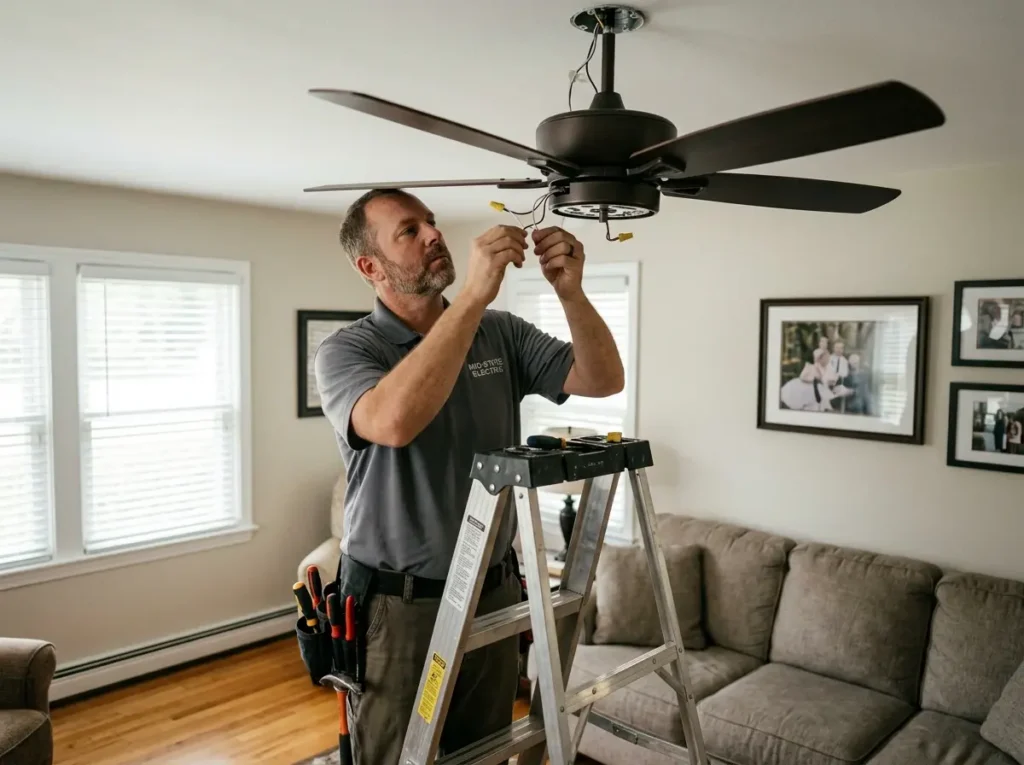
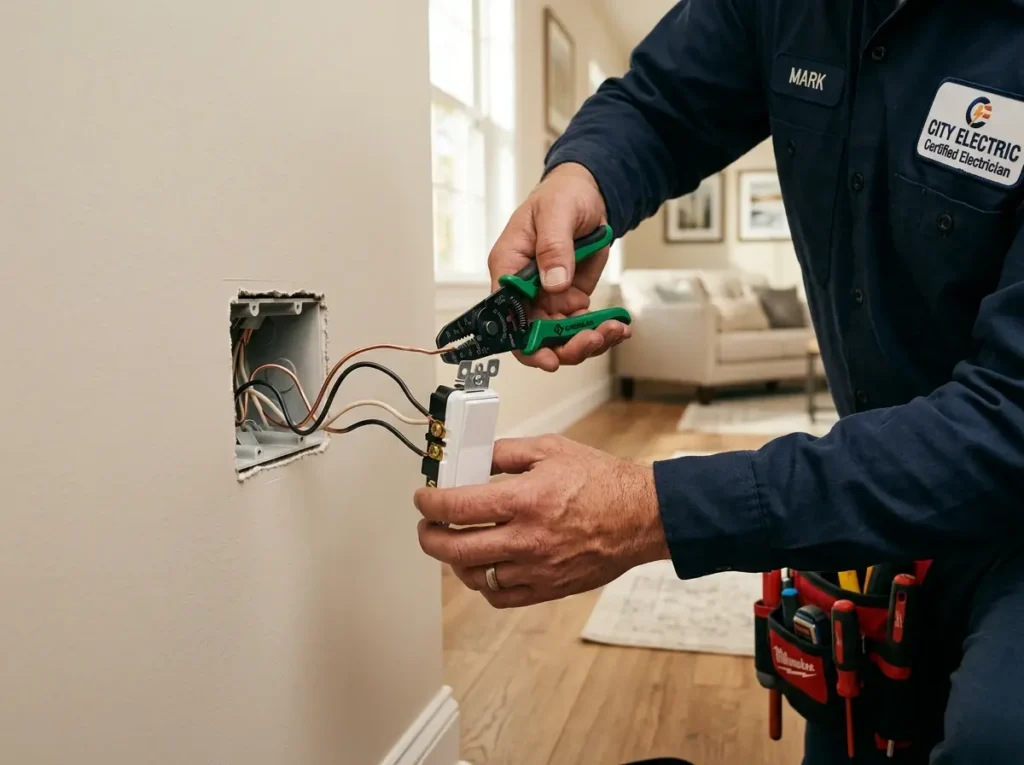
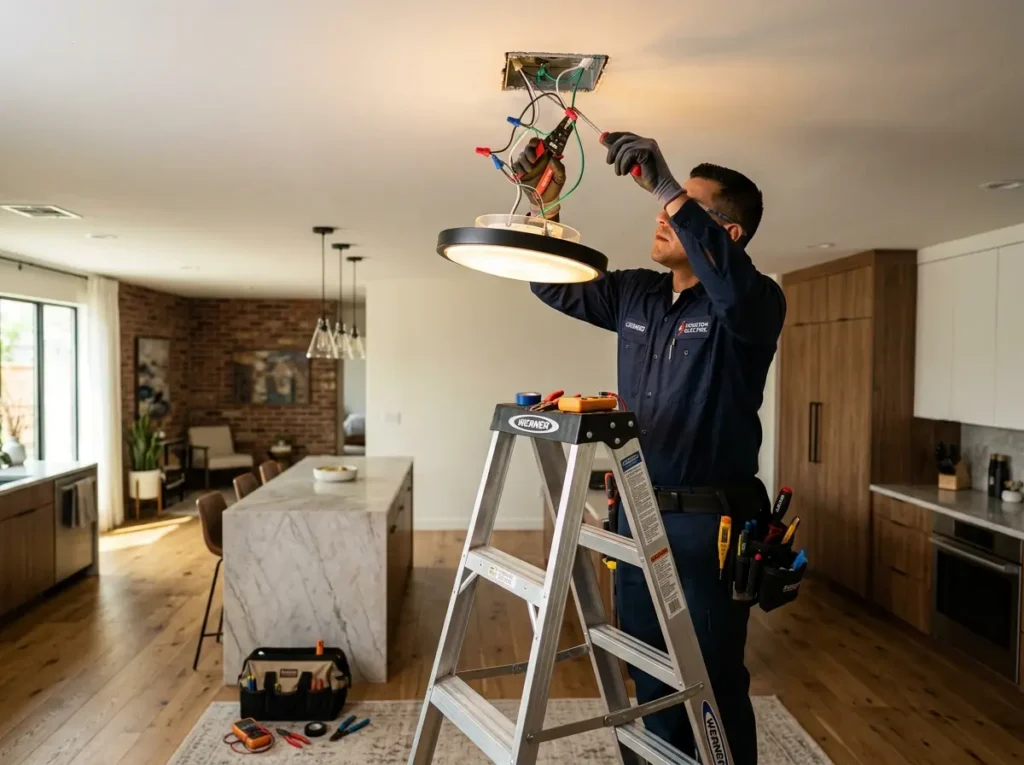
Your 1920s Palm Beach home has original plaster walls, crown molding, and picture rails. You want under-cabinet lighting in the kitchen, a ceiling fan in the bedroom, and USB outlets in the living room. But you do not want holes cut in every wall. Our electrical remodeling and home electrical upgrade services specialize in fish wire through walls — adding new circuits, relocating switches, and installing ceiling fixtures without demolishing your historic finishes. We use flexible drill bits, fiberglass glow rods, and magnetic pull systems to snake new Romex through existing wall cavities. For rewiring old house projects with knob-and-tube wiring, we leave the dead wires in place and fish new Romex alongside — no plaster removal, no loss of historic integrity.
Four Remodeling Scenarios Where Fishing Saves Your Walls
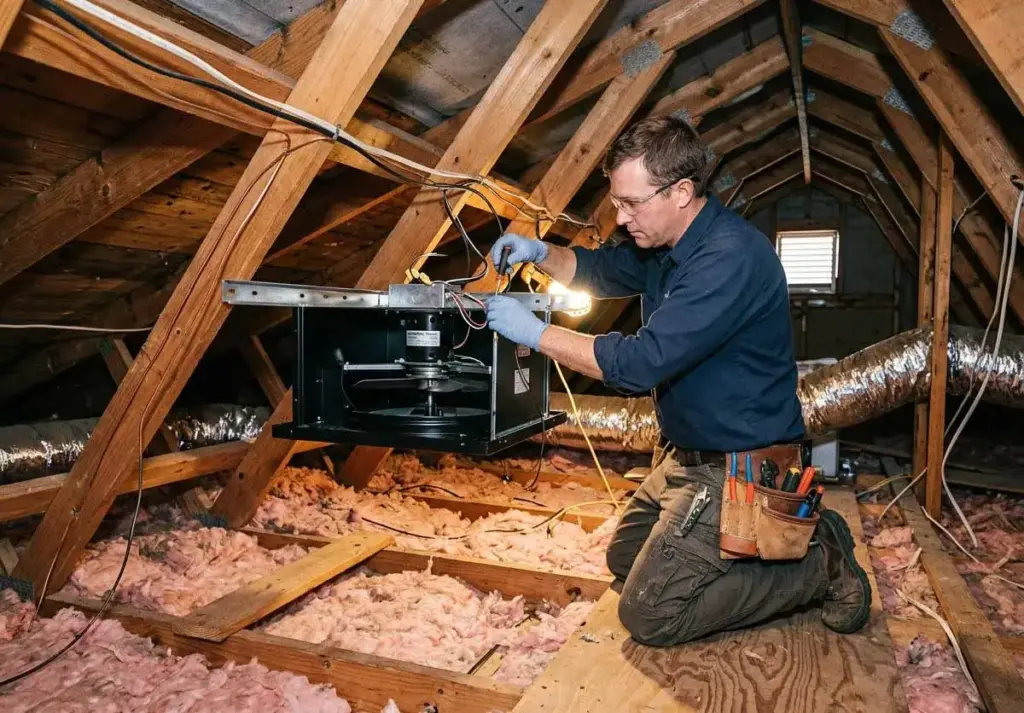
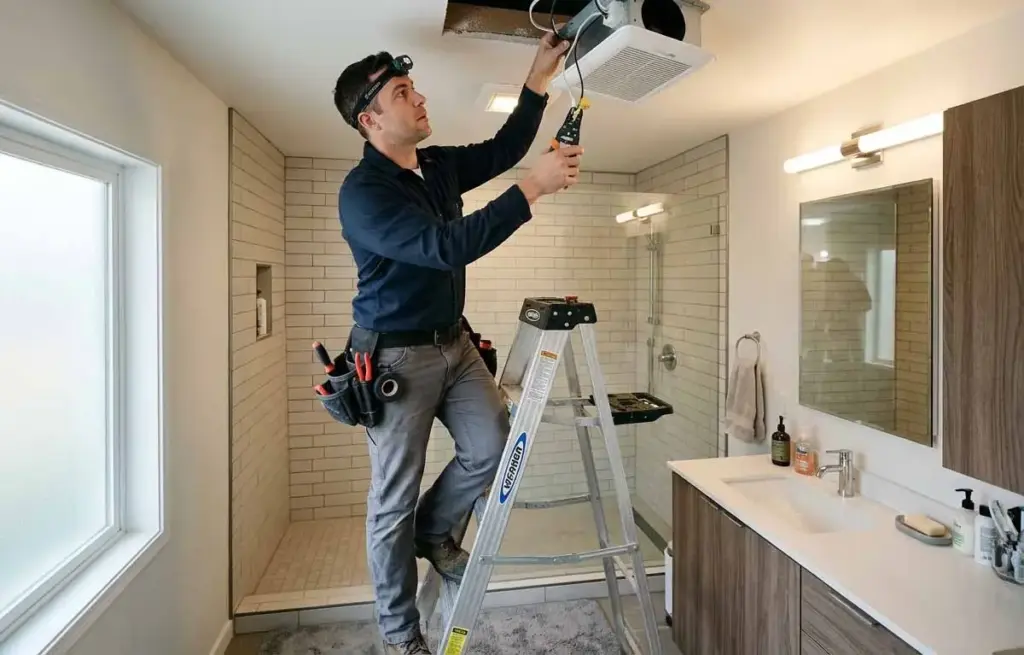
Scenario one: you want a new outlet on the opposite side of a room where no outlet exists. We fish wire from an existing outlet through the stud cavity, using a long flexible bit to drill through studs without cutting access holes (or drilling from the basement/crawlspace). The only hole is the new outlet box itself — 1-2 hours per outlet. Scenario two: you want a ceiling light in a room with no existing fixture. We fish wire from a nearby switch or outlet up the wall and across the ceiling joists, using a fiberglass rod to push through insulation. We cut small access holes at the switch and ceiling box locations, then patch the ceiling hole behind the new light canopy — 2-4 hours per light. Scenario three: you want to upgrade 14 AWG to 12 AWG wire on a kitchen circuit without opening walls. We tie the new 12 AWG wire to the old 14 AWG wire and pull it through, using the old wire as a fish tape. This works if the old wire is not stapled inside the wall — 1-2 hours per circuit. Scenario four: you have a bathroom electrical remodel and want a new exhaust fan with no existing wiring. We fish a new 14/2 Romex from the bathroom switch to the fan location through the attic (if accessible) or through the ceiling cavity — 2-3 hours.
Our electrical remodeling process in Palm Beach respects your home's character:
- We inspect attic and basement access before cutting any holes — many Palm Beach homes have generous crawlspaces that allow fishing without wall damage
- For fish wire through walls, we use Magnapull or similar magnetic systems that pull a string through insulation and fire blocking
- We cut access holes only where necessary — behind existing switch plates, under baseboards, or inside cabinets — all hidden from view
- For rewiring old house with knob-and-tube, we disconnect and abandon old wiring, fish new Romex through same pathways
- We patch all access holes with drywall or plaster, sand smooth, and texture-match to existing finish (we can match orange peel, knockdown, or smooth)
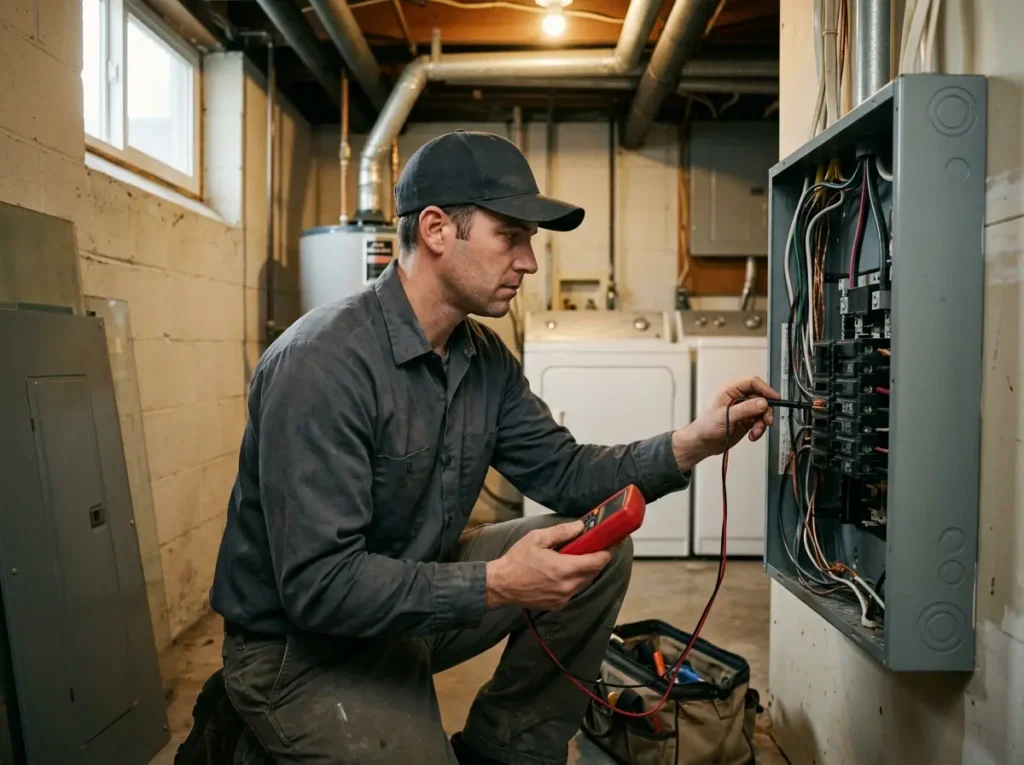
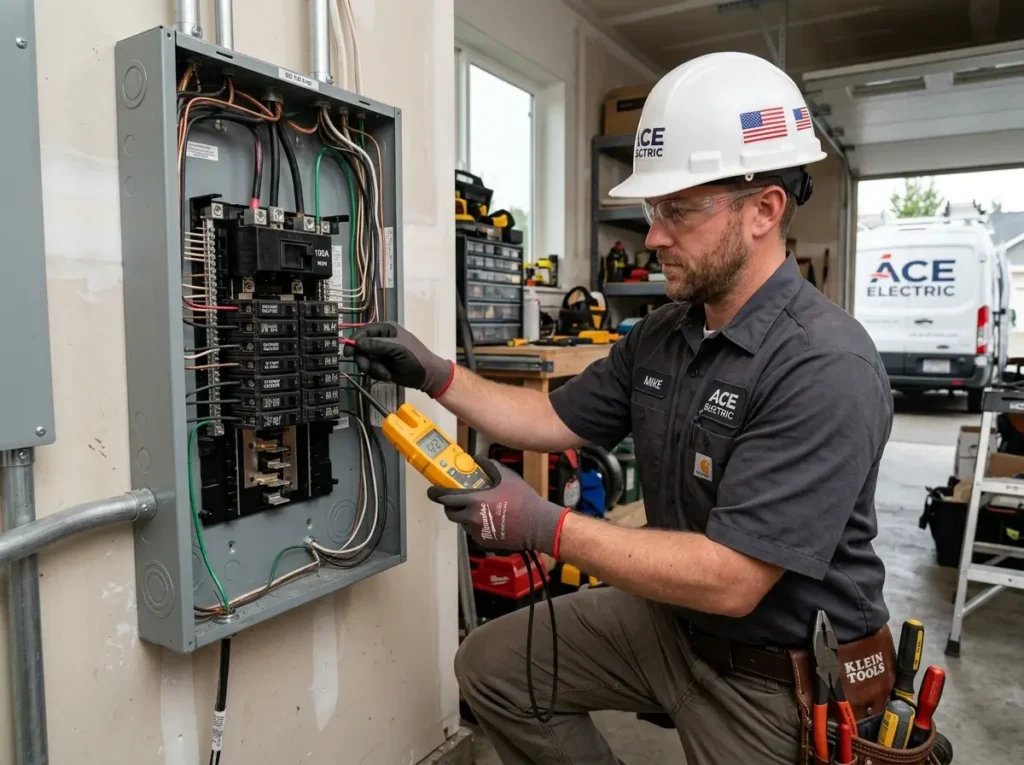
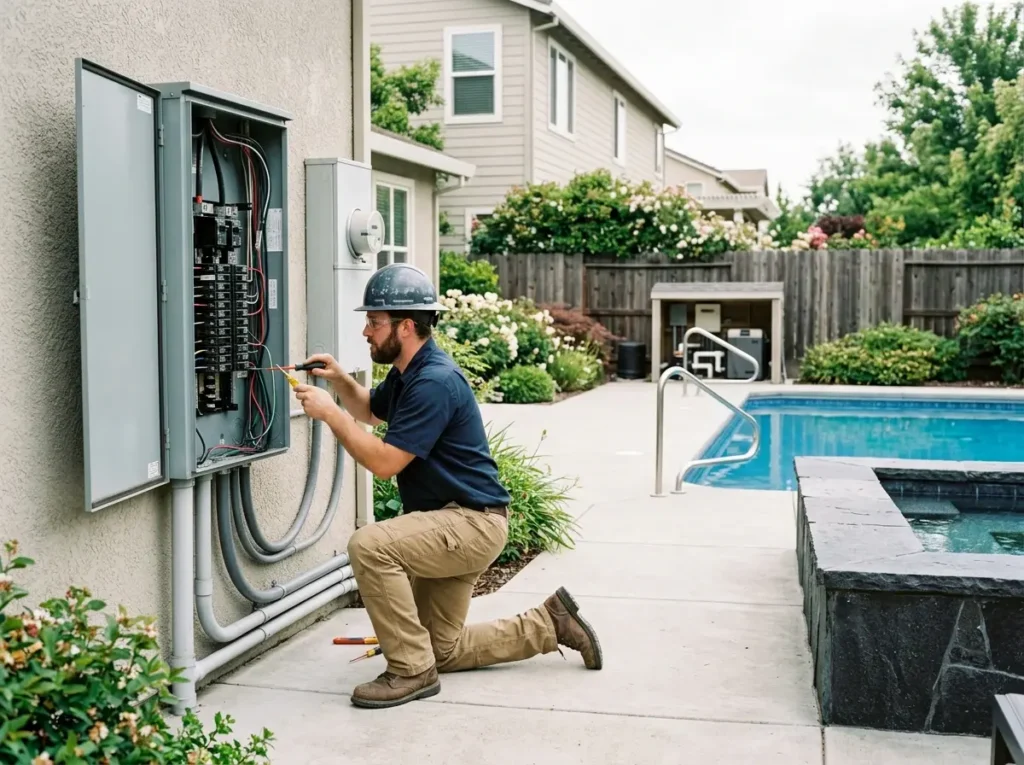
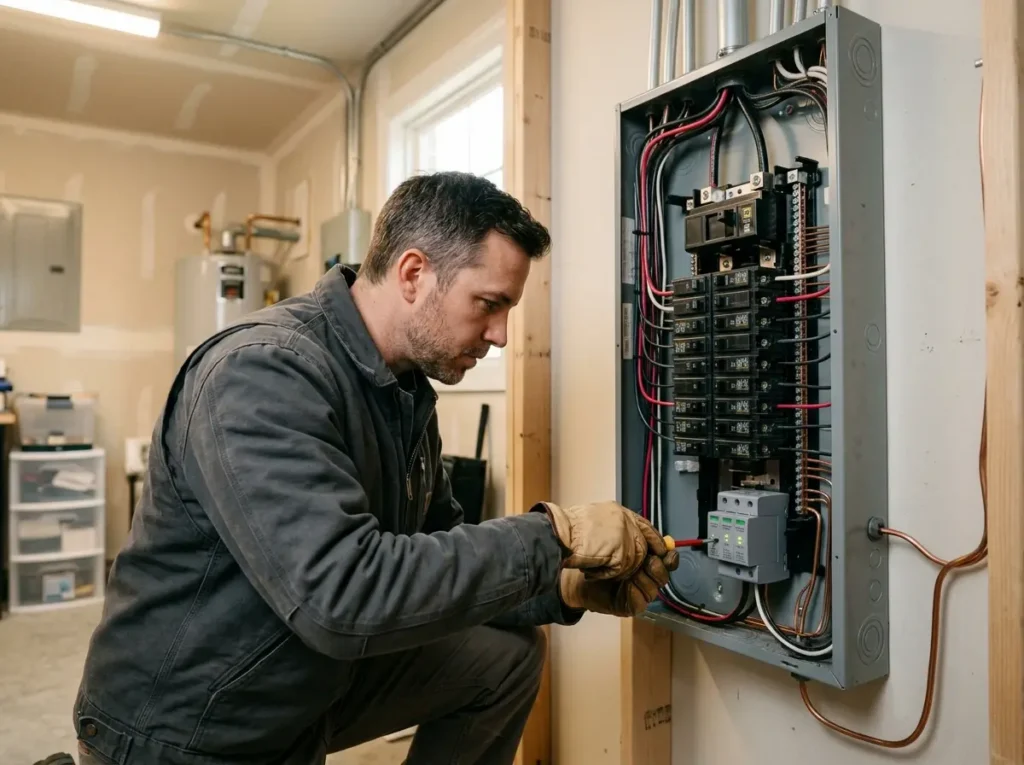
- For home electrical upgrade, we can add AFCI protection and arc fault breakers without any wall damage — work is all in the panel
How Long Does Fishing-Wire Electrical Remodeling Take?
Adding one new outlet by fishing from an existing outlet in the same wall cavity (same stud bay, no fire blocking) takes 45 to 90 minutes. We cut the new outlet box hole, use a flexible bit to drill through studs only if moving left or right, pull wire with a fish tape, make connections, and test. Adding a new ceiling light with no attic access takes 2 to 4 hours. We cut a hole for the new ceiling box and a small access hole near the switch, then push a glow rod through the insulation and across the joist bay. If we hit fire blocking (horizontal wood between studs), we may need a second access hole — add 1-2 hours. Running a new dedicated circuit from the panel to a kitchen island (fishing through basement and up into the island) takes 2 to 4 hours if the basement is unfinished. If the basement has a finished ceiling, we may need to cut access holes in the drywall ceiling — add 2-3 hours. A full bathroom electrical remodel with fishing (new GFCI outlet, new exhaust fan, new vanity light, all fished) takes 4 to 6 hours for a typical Palm Beach bathroom. A kitchen electrical remodel where we add a dedicated circuit for a refrigerator, a new island outlet, and under-cabinet lighting (all fished) takes 5 to 8 hours. Full rewiring old house with knob-and-tube replacement using fishing (no wall demolition) takes 5 to 8 days for a 2,000 square foot home. We fish each room one at a time, working from attic and basement. The most time-consuming scenario in Palm Beach is a second-floor bathroom with finished ceilings below (no basement access, no attic above because roof is the ceiling). We must fish wire horizontally through studs from a switch on an interior wall, drilling through multiple studs using a long flexible bit. This can take 1-2 hours per wire run. We always provide a flat-rate per outlet/switch/light for fishing jobs, with an hourly rate for unexpected fire blocking or insulation that slows us down. We call you before exceeding the estimate by more than 30 minutes.
Why Fish Wire Through Walls Is an Art (And Why Most Electricians Avoid It)
Fishing wire through existing walls is slow, frustrating, and physically demanding. Most electricians prefer to cut drywall, run wire quickly, and let a drywall contractor patch later. But Palm Beach homeowners with historic plaster, expensive wallpaper, or freshly painted walls do not want holes. We have invested in the tools that make fishing possible: flexible 54-inch drill bits (can bend 90 degrees inside a wall), fiberglass glow rods (push through insulation, visible with a borescope), Magnus magnetic pullers (launch a magnet from one hole to another), and borescope cameras (see inside walls before drilling). Using these tools, we can run wire from basement to attic, across a room, or around corners with minimal holes. For dedicated circuits in a kitchen remodel, we often run new Romex from the basement up into the wall cavity behind the refrigerator, then horizontally through studs to the microwave outlet — all from below, no wall holes. For bathroom electrical remodel, we add a new GFCI outlet by fishing from an existing outlet on the other side of the wall (back-to-back boxes) — 20-minute job, no new holes. For arc fault breakers and AFCI protection, we do not need to fish anything — the upgrade is entirely in the panel. But if your panel is Federal Pacific or Zinsco, we will recommend a full panel replacement before adding AFCI breakers (old panels may not accept modern AFCI breakers, and the buses are often corroded). For wire gauge upgrade, we replace 14 AWG with 12 AWG on kitchen circuits by using the old wire as a pull string — tie the new 12 AWG to the old 14 AWG and pull from the panel end. This works if the old wire is not stapled inside the wall. If the old wire is stapled, we may need to abandon it and fish new wire through a different path. For rewiring old house with knob-and-tube, we often find that the old wires are not stapled — they simply pass through holes in studs. We tie new Romex to the old knob-and-tube and pull it through. This preserves the walls and saves days of demolition. Every electrical remodeling project we complete includes a final "damage report" documenting every access hole we cut, every patch we made, and the final texture-match result. We also provide a complete as-built wiring diagram showing where every new wire runs (critical for future homeowners who might drill into a wall).
Call our remodeling team in Palm Beach if you want modern electrical without losing your historic walls. We fish what others would destroy.