
Why Your Titusville Home's Three-Prong Outlets Might Be Lying to You
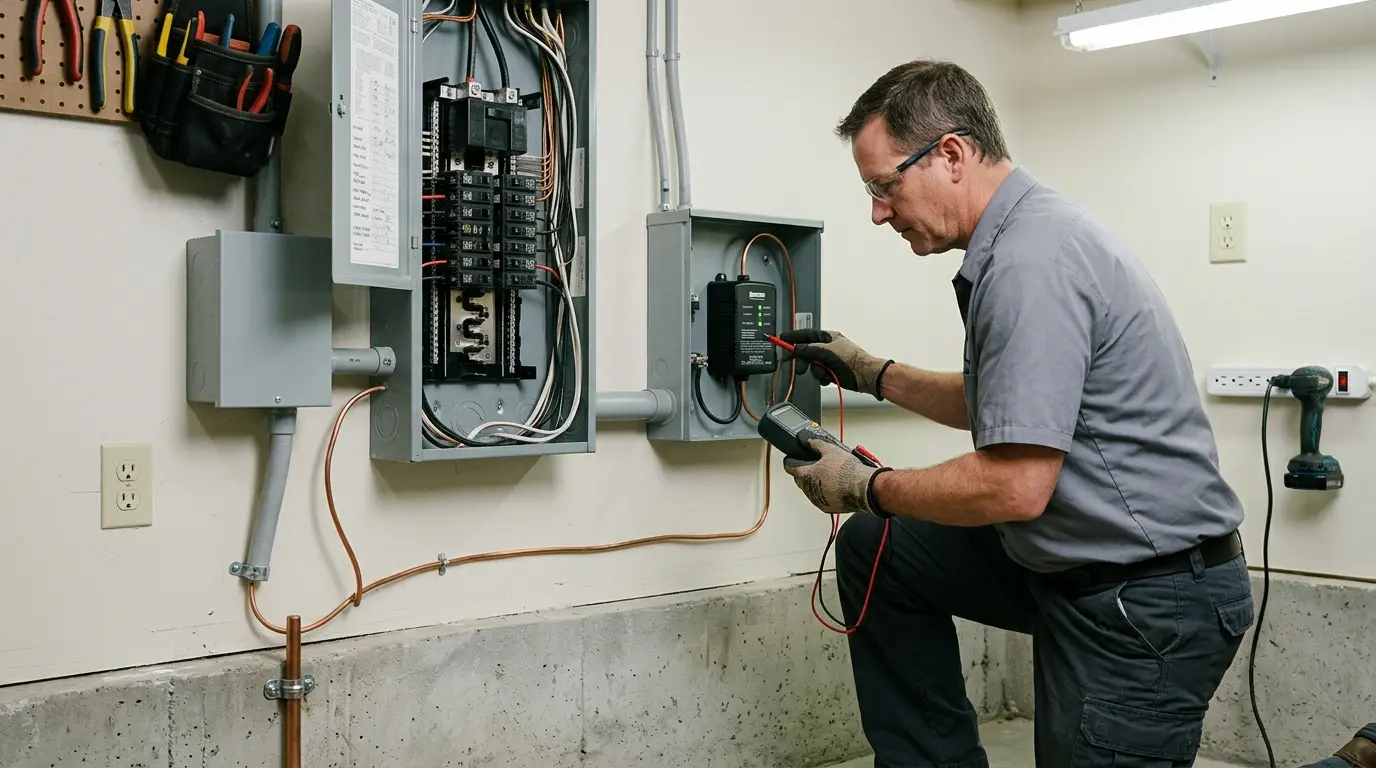
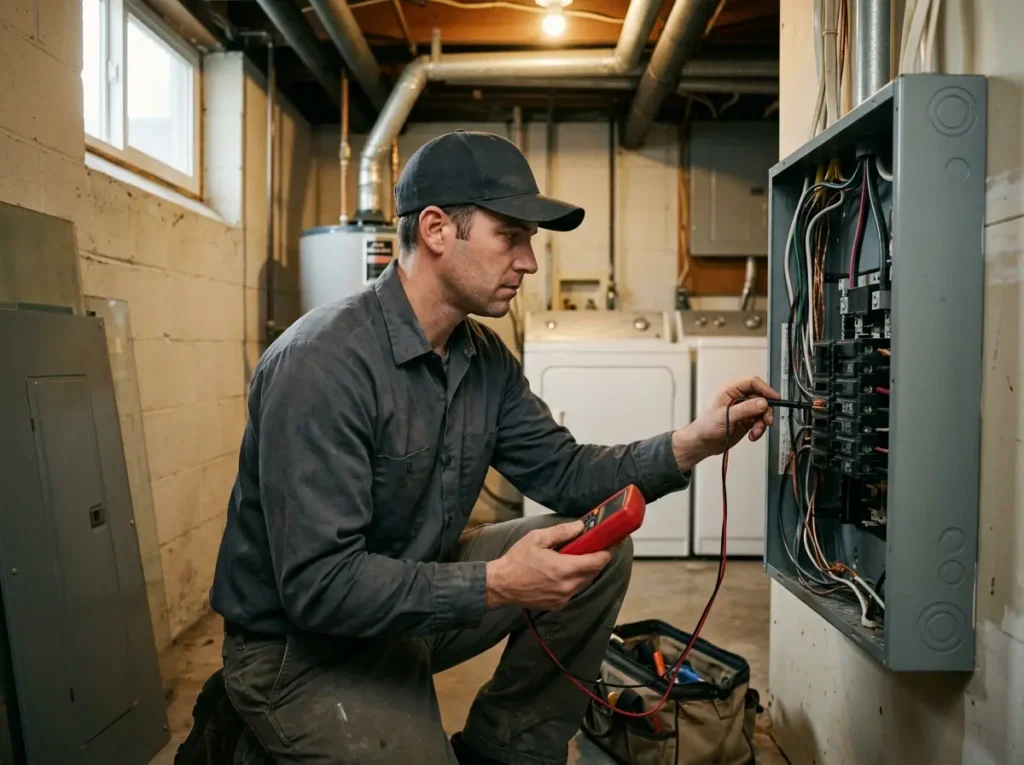
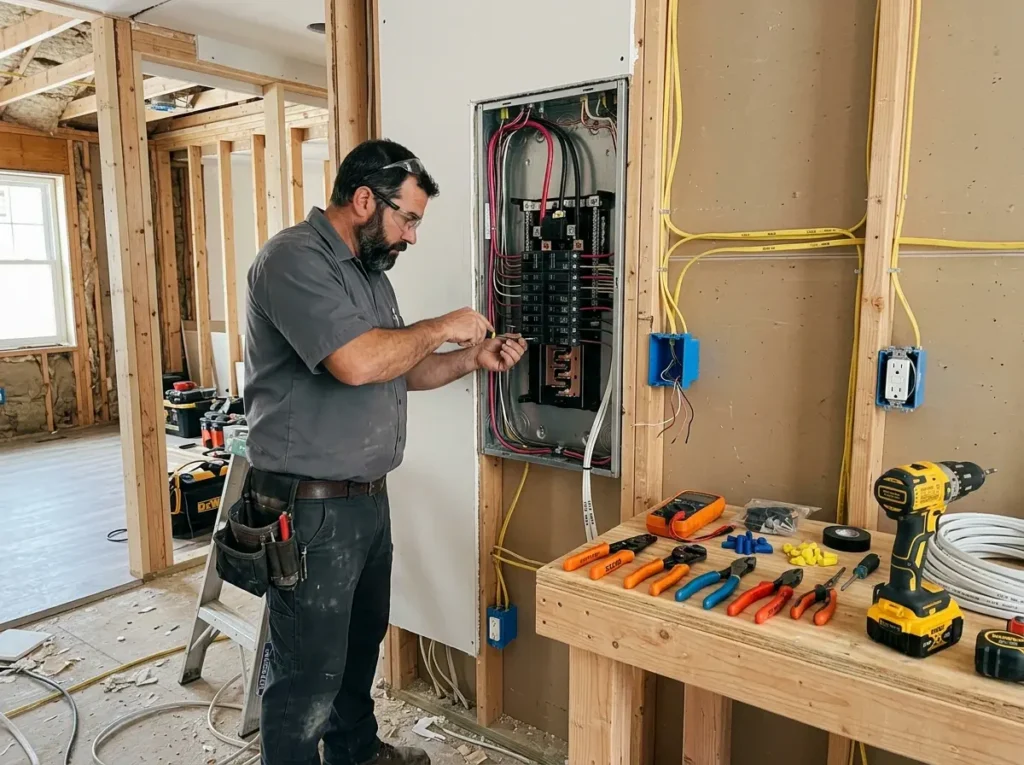
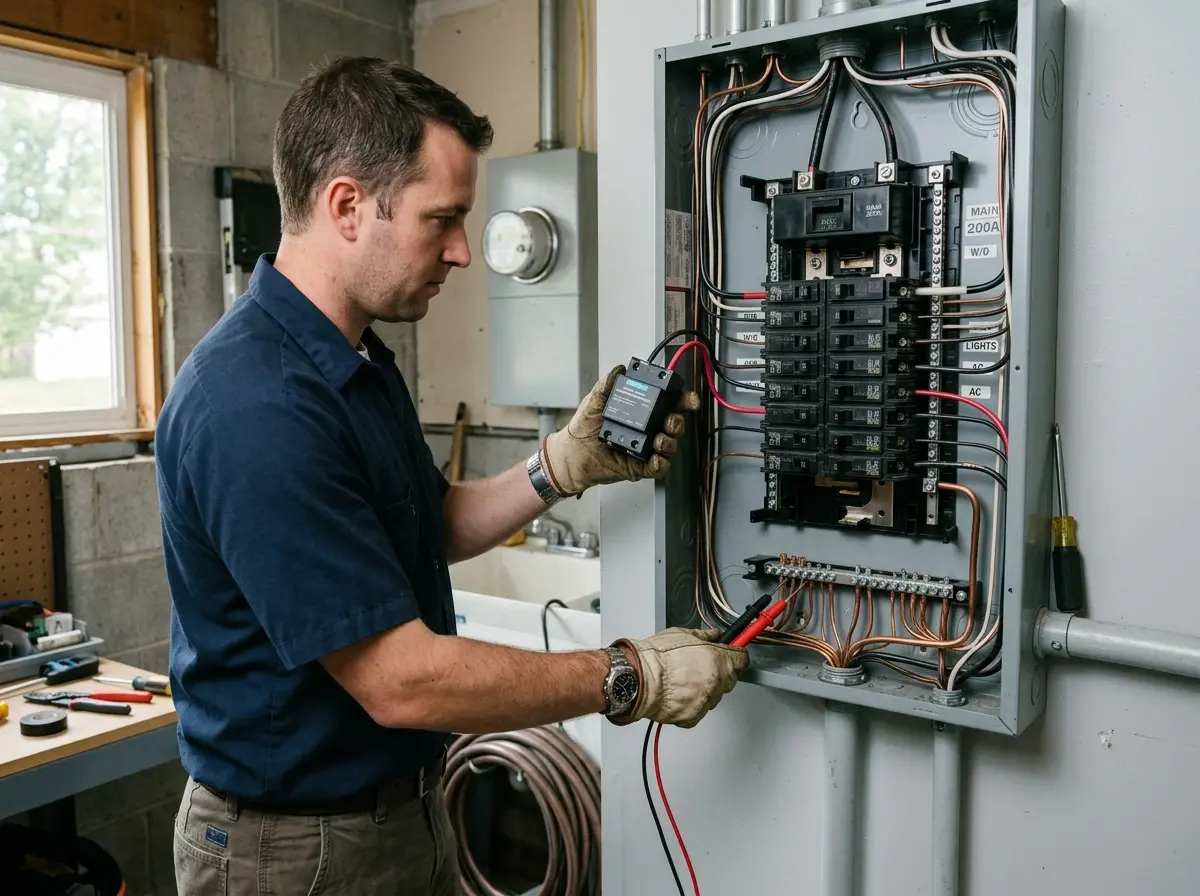
Plug a standard outlet tester into most Titusville homes built before 1970. It will show "correct wiring" even when there is no ground wire — because someone installed three-prong outlets without connecting the ground terminal. This bootleg ground fools testers but offers zero protection. Our home grounding service and whole house surge protection start with a real ground test, not a plug-in checker. We use a ground impedance meter that measures actual resistance to earth. If we find open ground conditions, we perform electrical grounding repair before any surge protector installation.
Four Grounding Scenarios We Encounter in Titusville Homes
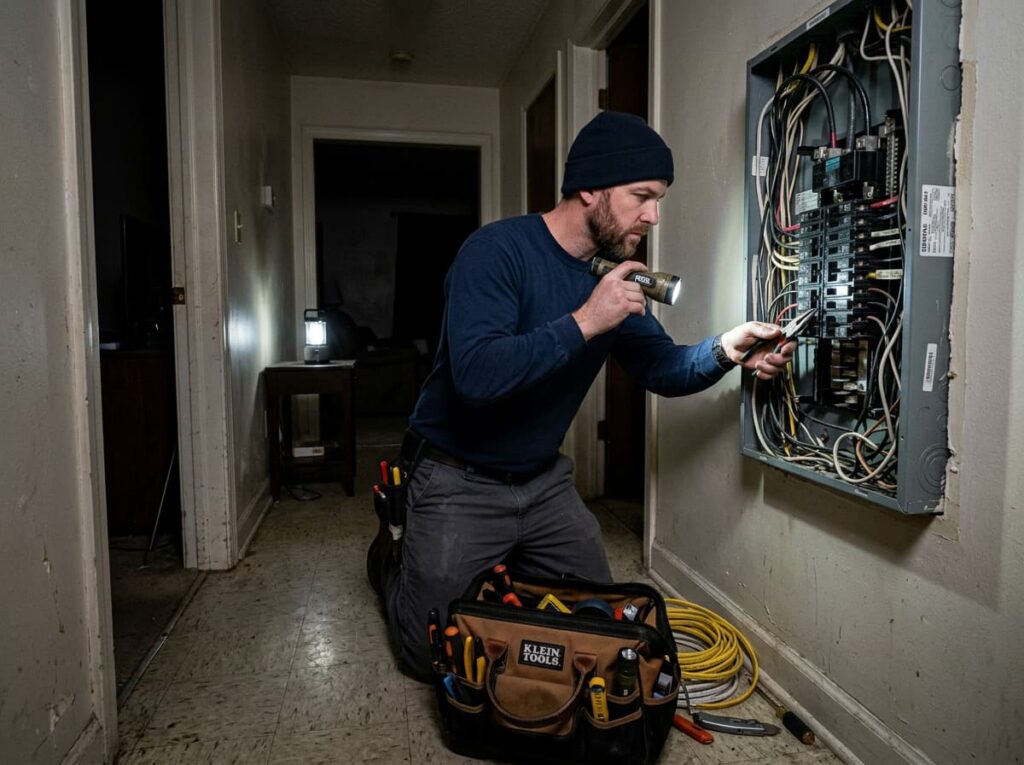
Scenario one: two-prong outlets everywhere, no ground wires in the boxes. Solution: three prong outlet upgrade via GFCI protection (code-approved) or run new ground wires (expensive). Scenario two: three-prong outlets but open ground on tester because ground wire is disconnected somewhere. Solution: open ground repair by tracing the circuit and reconnecting the ground path. Scenario three: bootleg grounds where someone connected neutral to ground inside a box — a dangerous condition that can energize appliance chassis. Solution: immediate correction and proper grounding or GFCI installation. Scenario four: functional ground but high resistance (over 25 ohms) due to corroded ground rod installation. Solution: supplementary ground rods or ground plate. We diagnose your scenario during the first visit and present a written repair plan with three budget options: minimum safety (GFCI protection only), standard protection (proper grounding), or premium (grounding plus Type 2 SPD whole house surge protection).
Our surge protection and grounding process in Titusville prioritizes fixing the foundation before adding the protection:
- Ground impedance measurement at the main panel and at representative outlets throughout the home
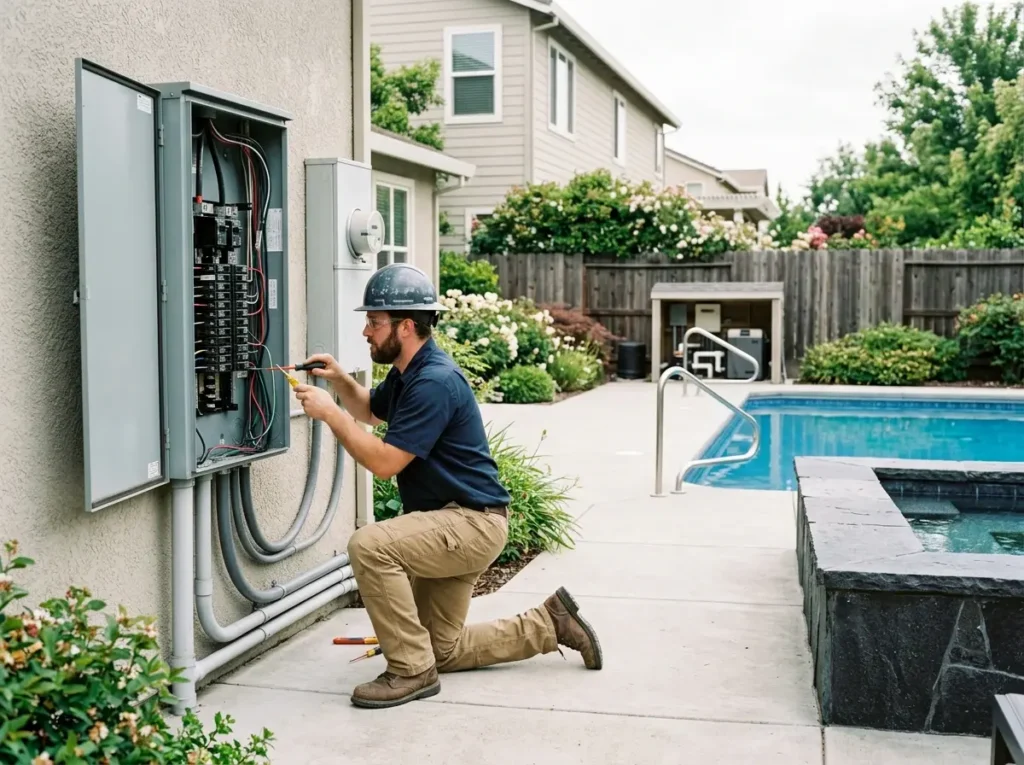
- Visual inspection of ground rod installation — location, depth, clamp condition, conductor size and continuity
- For open ground repair, we open every junction box on the circuit to find the break (systematic, not guesswork)
- For three prong outlet upgrade in ungrounded homes, we install GFCI breakers or GFCI outlets at circuit origins
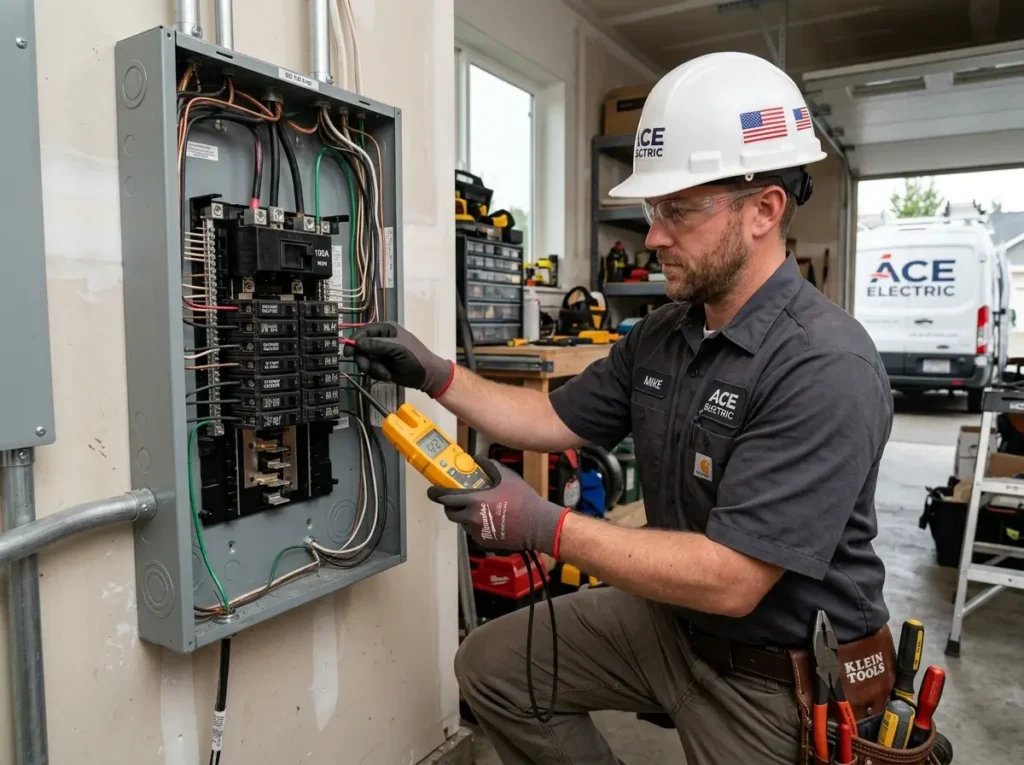
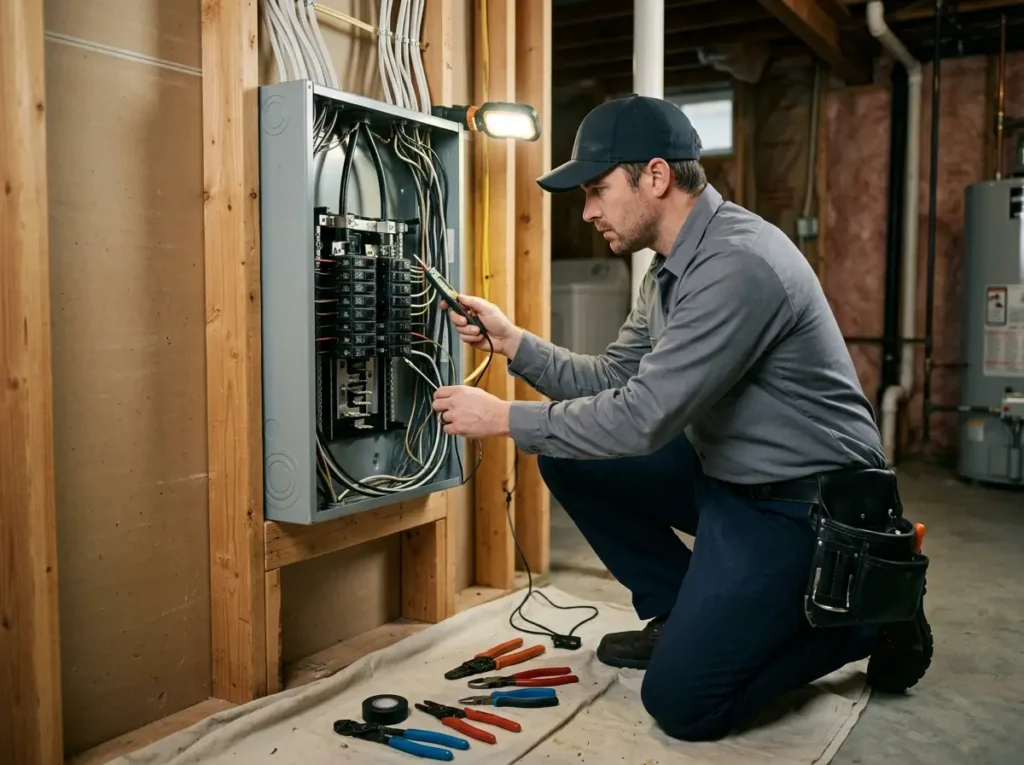
- Type 2 SPD installation after grounding is verified — we use UL1449 certified devices with 50kA or higher surge current rating
- GFCI vs grounding explanation — we provide a written handout so you understand what each device protects
How Long Does Each Service Take?
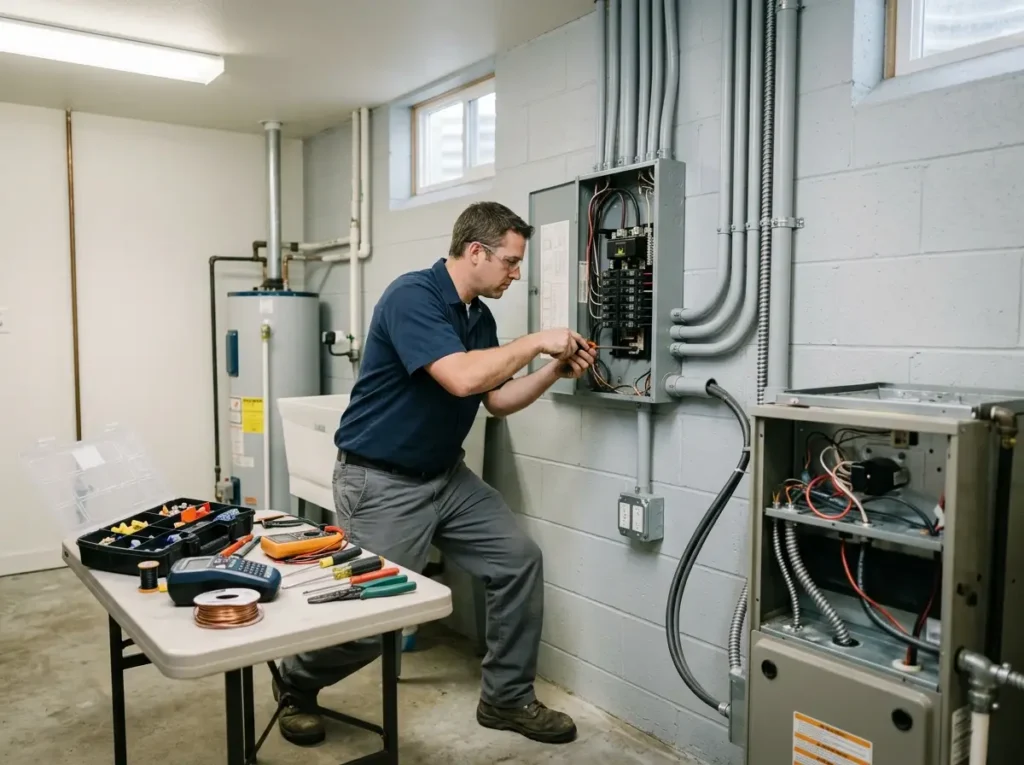
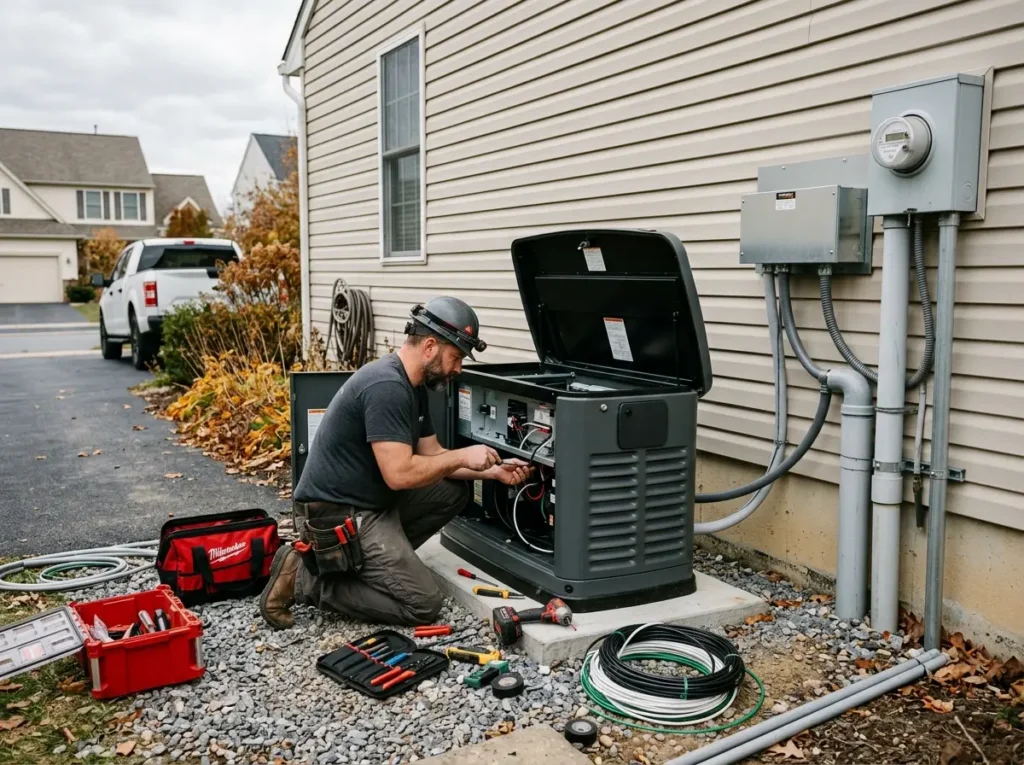
A ground impedance test for a typical Titusville home takes 1 to 2 hours. We measure at the panel, at the ground rod, and at 5-10 outlets. We provide a written report with readings and NEC grounding requirements thresholds. Open ground repair for a single circuit (2-5 outlets) takes 2 to 4 hours depending on how many junction boxes we must open. We work systematically from the panel outward until we find the break. If the ground wire was never run (common in older homes), we offer three prong outlet upgrade via GFCI as a workaround — adding 30 minutes per circuit. Ground rod installation for a home with no rod takes 2 to 4 hours for the first rod, 1-2 hours for additional rods. Rocky Titusville soil may require a hammer drill or ground rod driver, adding 1-2 hours. A full home grounding service including new ground rods, bonding of water and gas lines, and open ground repair on all circuits takes 6 to 10 hours spread across 1-2 days. Three prong outlet upgrade for entire ungrounded home (30-50 outlets) via GFCI breakers takes 3 to 5 hours — we replace standard breakers with GFCI breakers in the panel, then label every outlet on those circuits. This is much faster than replacing each outlet individually. Type 2 SPD installation takes 1 to 2 hours if the panel has space and grounding is already verified. If we must perform electrical grounding repair first, we combine visits: day one for grounding fixes, day two for surge protector installation and final testing. The most complex scenario is a Titusville home with a detached garage that has its own subpanel. The garage may need its own ground rod and Type 2 SPD, effectively doubling the project — 4-8 hours total spread across two buildings. We always provide a bundled price for whole house surge protection plus home grounding service, and we separate the GFCI vs grounding work so you see exactly what each component costs.
Why Type 2 SPD Is the Right Choice for Most Titusville Homes
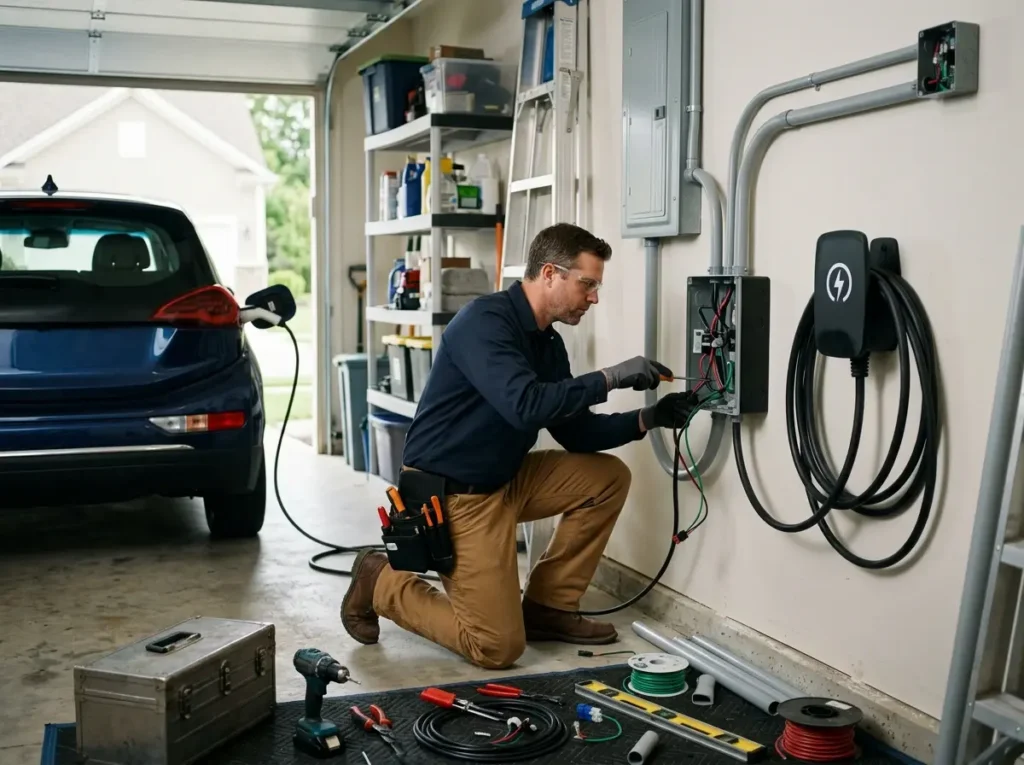
Surge protection devices come in three types. Type 1 installs at the utility meter, before the main breaker — used for commercial buildings and homes with overhead service in lightning-prone areas. Type 2 installs inside the main panel, after the main breaker — the standard for residential whole house surge protection. Type 3 is the plug-in strip you buy at Best Buy. For most Titusville homes, Type 2 SPD gives the best value: $150-300 for the device, $200-400 for installation, protecting every appliance in your home. Type 3 protects only what is plugged into that strip and requires functioning ground (which many homes lack). When we perform surge protector installation, we use Type 2 devices with thermal fuses (so they fail safely if overloaded) and visual indicators (green LED for OK, red for replace). For homes with subpanels (garage, workshop, addition), we install a Type 2 in the main panel and a second Type 2 in each subpanel — because a surge entering through the subpanel could bypass the main protection. For open ground repair, we prioritize circuits powering sensitive electronics — home office, entertainment center, kitchen appliances. These get full grounding repair; less critical lighting circuits may get GFCI-only protection with proper labeling. For GFCI vs grounding education, we explain that GFCI outlets are required within 6 feet of water (kitchen, bath, laundry, garage, exterior). But GFCI does not replace grounding for surge protection. A GFCI with "No Equipment Ground" label is code-approved for existing ungrounded circuits, but plug-in surge protectors will still not work. We present this trade-off clearly: full grounding repair plus Type 2 SPD gives complete protection; GFCI-only gives shock protection but leaves electronics vulnerable. For three prong outlet upgrade, we use commercial-grade receptacles ($2-3 each, not the 50-cent builder grade) that hold plugs firmly and last decades. We also install tamper-resistant outlets in homes with children — code required since 2008, prevents kids from inserting objects into slots. Every grounding and surge project we complete in Titusville includes a final test: we measure ground impedance after all repairs, document Type 2 SPD clamping voltage, and provide a one-page summary for your insurance company. Many carriers offer discounts for whole house surge protection and verified grounding — we include the form you need.
Call our grounding experts in Titusville for a true ground test, not a plug-in trick. We will tell you whether your three-prong outlets are real or fake — and fix whichever you have.