
Why Your West Palm Beach Home's Smoke Detectors Are Lying to You (And How to Fix It)
That chirp you hear at 3 AM is not a low battery. You changed it last month. What you are hearing is the end-of-life signal — your smoke detector telling you it has exceeded its 10-year service life. Most West Palm Beach homeowners do not know this distinction, so they live with annoying chirps for months or years, never realizing their detectors no longer function properly. Our smoke detector installation and hardwired smoke detector replacement services start with a full home audit. We identify every detector that has reached end-of-life, note which rooms lack carbon monoxide detector installation, and determine whether your home has interconnected smoke alarms (most do not).
Five Detector Problems We Solve Daily in West Palm Beach
First, end-of-life chirping — a signal that occurs every 30-40 seconds, different from low-battery chirps (which are faster and stop after battery change). We replace the entire unit with a new hardwired smoke detector with battery backup or a sealed 10-year battery model. Second, nuisance tripping — detectors that go off every time you cook bacon or take a steamy shower. Often caused by improper placement near bedrooms or kitchens. We relocate units per NFPA 72 placement near bedrooms guidelines (at least 10 feet from cooking appliances, not in bathrooms). Third, no CO protection — older homes often have smoke detectors only. We add carbon monoxide detector installation on every level, especially near attached garages and gas furnaces. Fourth, lack of interconnection — existing smoke and CO detector combo units that are standalone, not triggering other alarms. We run new wiring or install wireless interconnected smoke alarms that meet code for home sales. Fifth, outdated technology — detectors that still use ionization sensing only (slower for smoldering fires) rather than dual-sensor or photoelectric models. We upgrade to UL listed devices with both sensing types.
Our detector installation process in West Palm Beach follows NFPA 72 standards, not just guesswork:
- Full home walkthrough counting existing detectors and identifying missing locations
- Placement near bedrooms verification — detectors required inside every bedroom, outside each sleeping area, and on every level
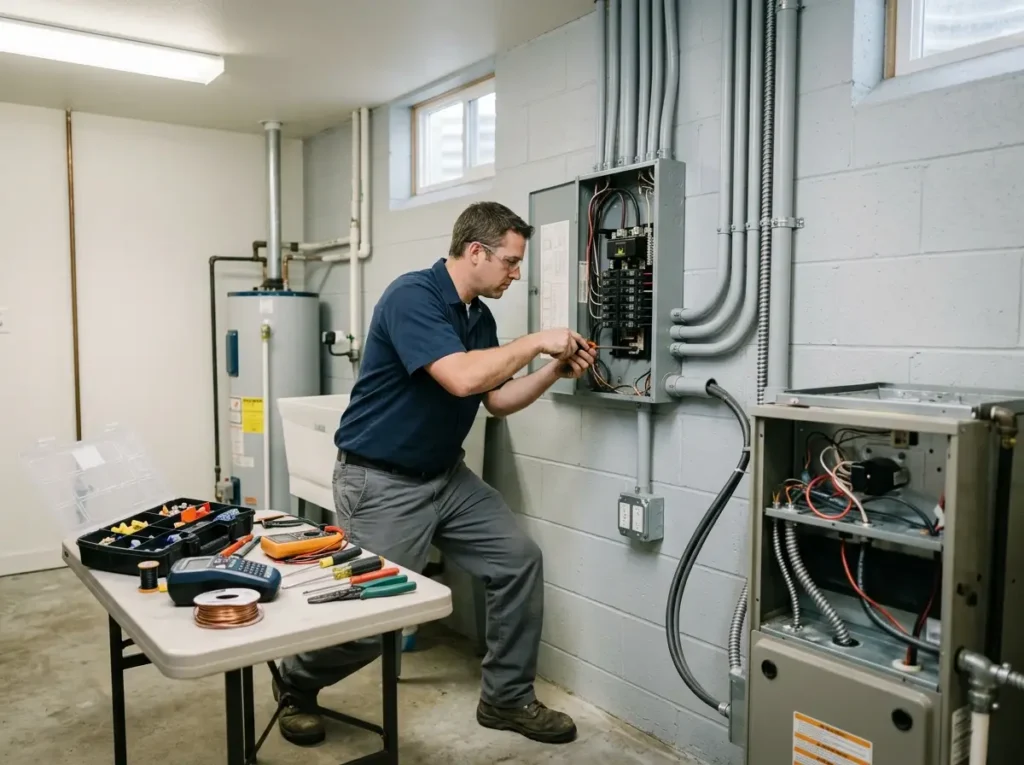
- For hardwired smoke detector replacement, we verify that existing wiring includes the required 14/3 Romex (hot, neutral, traveler for interconnection)
- For interconnected smoke alarms without existing wiring, we install wireless interconnected units that communicate via radio frequency
- Carbon monoxide detector installation on every level — CO is similar weight to air, so placement height matters less than old myths suggest
- Smoke and CO detector combo installation in hallways and living areas (saves ceiling space)
- Final testing — we use real smoke spray (not just the test button) and verify that interconnected smoke alarms all trigger together
How Long Does Detector Installation or Replacement Take?
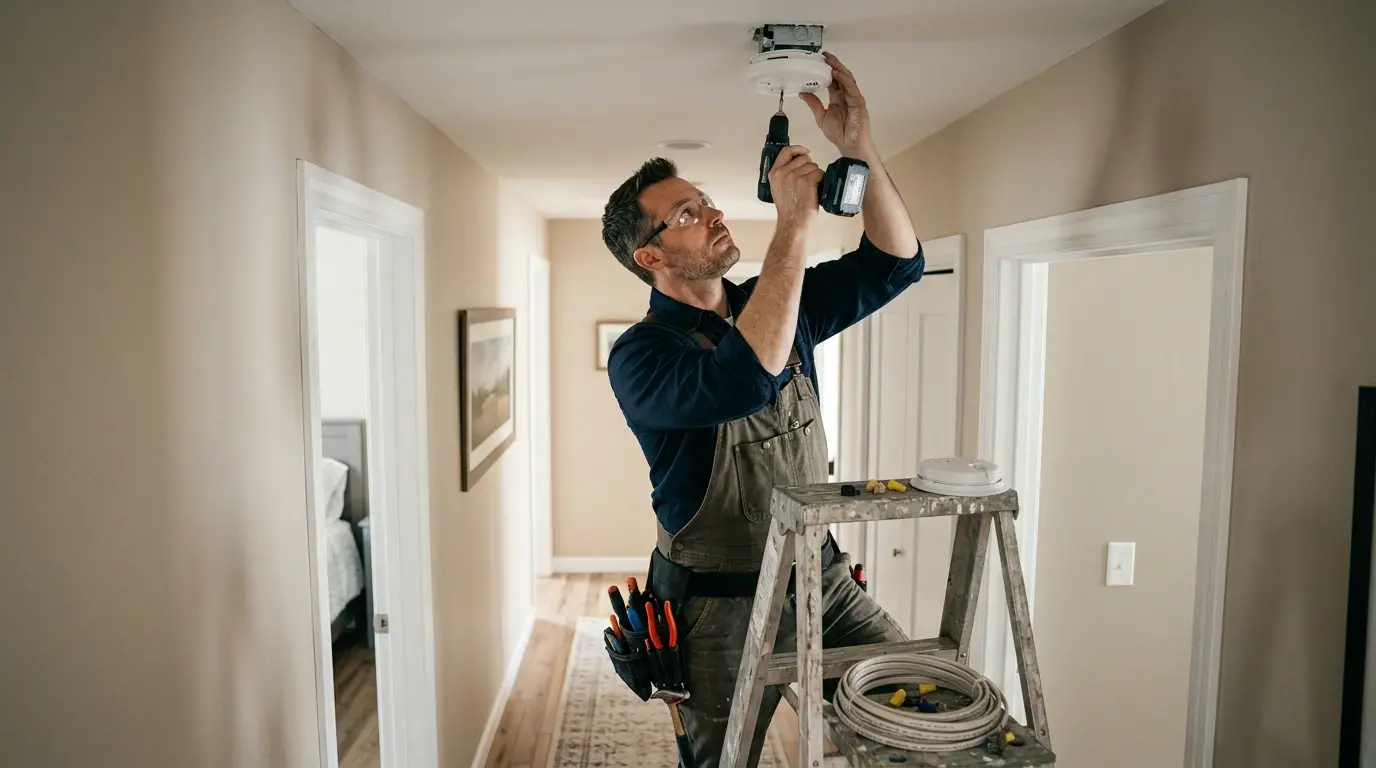
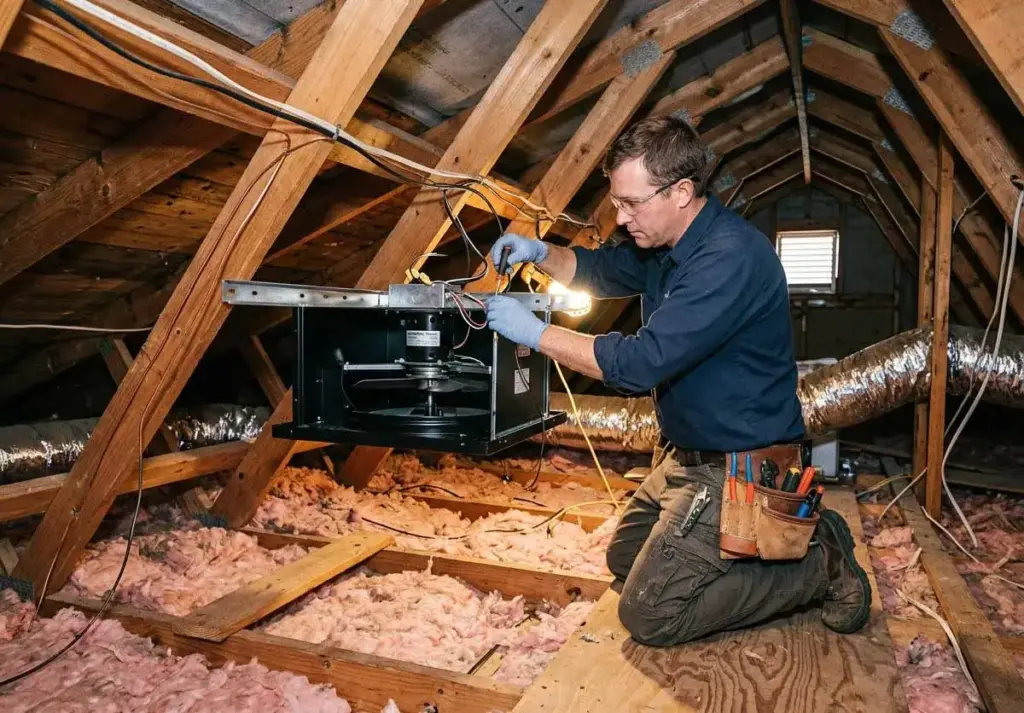
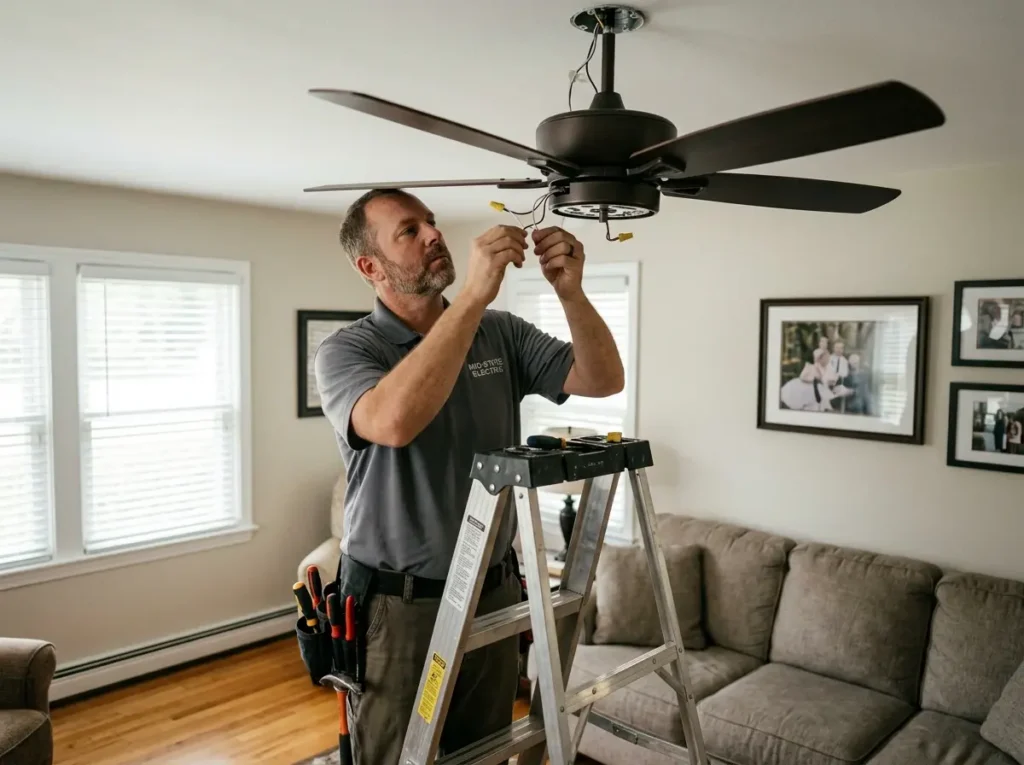
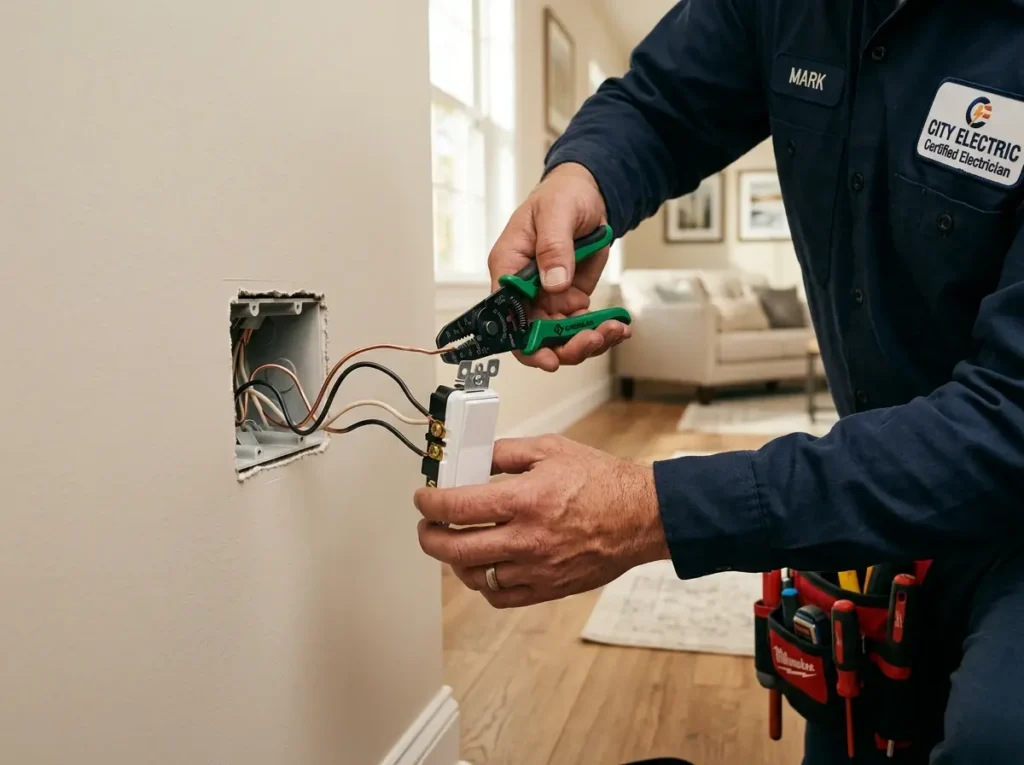
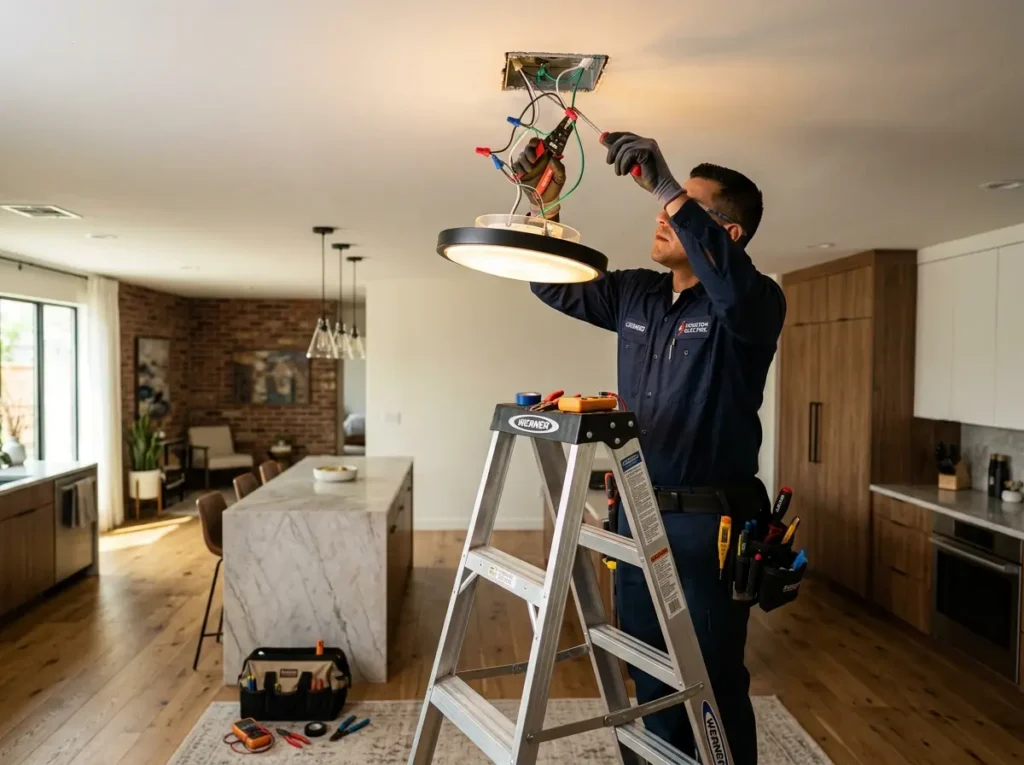
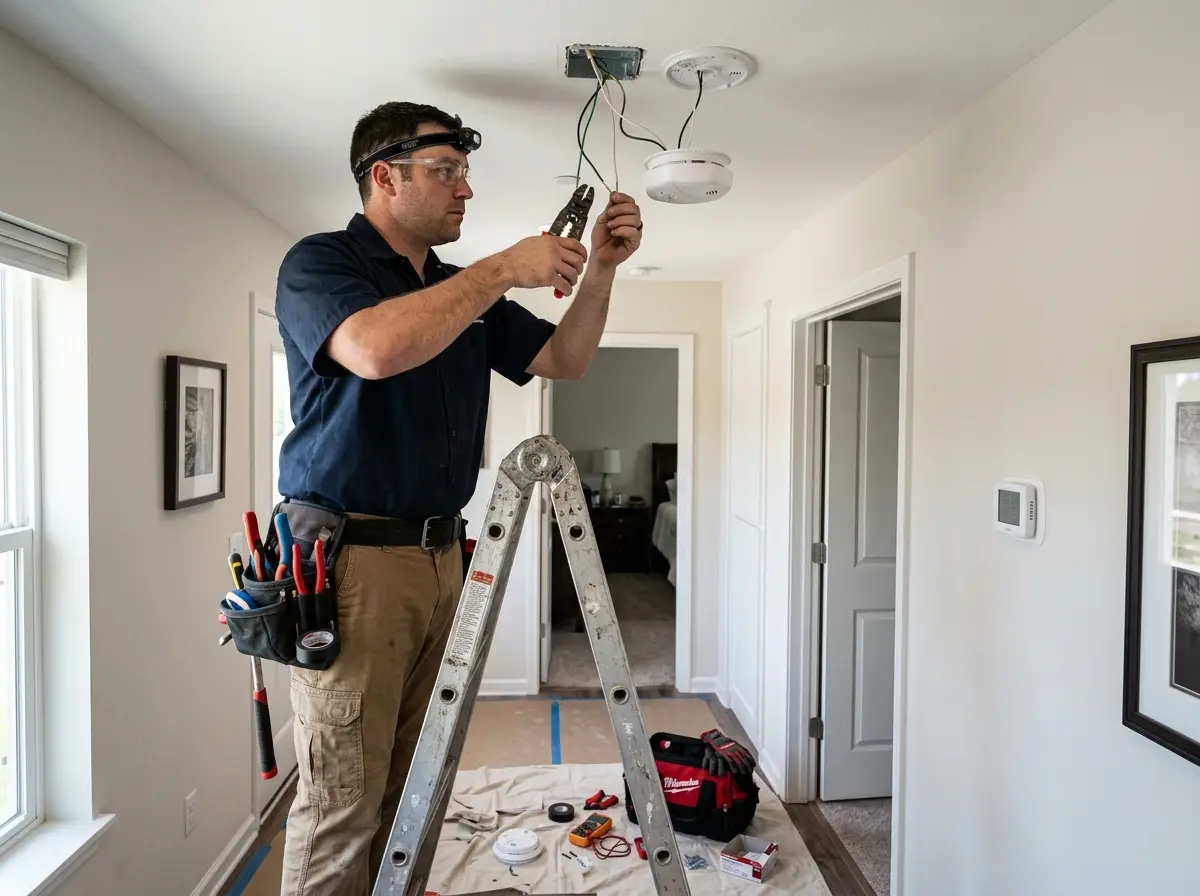
A single hardwired smoke detector replacement where existing wiring is present takes 30 to 45 minutes. We turn off the circuit, remove the old detector, inspect the wiring for damage, mount the new base plate, connect wires (hot, neutral, traveler), attach the detector head, restore power, and test. Replacing 6-8 detectors throughout a typical West Palm Beach home takes 2 to 3 hours if all locations have existing wiring. If your home has battery-only detectors and you want to upgrade to hardwired smoke detector installation with interconnection, we must run new Romex from the panel to each location — 4 to 8 hours depending on attic access. Carbon monoxide detector installation for a home with no existing CO protection takes 1 to 2 hours to mount 2-3 units (one per level) and test. If we are also installing smoke and CO detector combo units, add 15 minutes per combo unit. Interconnected smoke alarms installation using wireless interconnect (no new wiring) takes 2 to 3 hours for a full home. We pair each detector to the others, test range between floors, and verify that all trigger together. For homes being sold, we often perform a complete detector upgrade package: replace all detectors over 10 years old, add CO detectors on every level, convert to interconnected smoke alarms, and provide a certificate of compliance for the buyer. That package takes 3 to 6 hours for a 2,000 square foot West Palm Beach home. The most time-consuming scenario is a home with no existing hardwired smoke detector installation at all — just battery units scattered around. We must run new 120V circuits from the panel to each bedroom and hallway, fishing wire through finished walls, cutting access holes, and offering drywall repair. That project takes 6 to 10 hours for a 2-story home. We always provide a written timeline with separate line items for replacement (fast) vs new installation (slow).

Why Interconnected Smoke Alarms Save Lives (And Why West Palm Beach Codes Now Require Them)
A fire starts in your basement while you sleep upstairs. A standard smoke detector in the basement triggers — but you hear nothing through the floor. By the time smoke reaches your bedroom detector, the fire has grown, escape paths may be blocked, and you have lost critical minutes. Interconnected smoke alarms change this. When one detector senses smoke, every alarm in the home sounds simultaneously. You hear the basement alarm from your bedroom, giving you 2-3 times more escape time. Most modern building codes require interconnected smoke alarms in new construction and in any home undergoing major renovation. For home sales, many West Palm Beach inspectors now flag missing interconnection as a repair item. We offer two solutions: wired interconnection (requires running 14/3 Romex between detectors, best for new construction or gut renovations) or wireless interconnection (battery-powered detectors that communicate via RF, ideal for retrofits). For placement near bedrooms, NFPA 72 requires: smoke detectors inside every bedroom (yes, inside the room where you sleep), outside each separate sleeping area (in the hallway), and on every level including basements and habitable attics. Carbon monoxide detector installation follows slightly different logic: CO detectors are required outside each sleeping area and on every level, but inside bedrooms is optional unless you have fuel-burning appliances inside the bedroom (rare). For smoke and CO detector combo units, we install them in hallways and living areas, not inside bedrooms (bedrooms get dedicated smoke detectors only because combo units are larger and may not fit well). Regarding end-of-life signal, we educate every West Palm Beach homeowner on the difference: low-battery chirps are short, quick chirps every 30-60 seconds that stop after battery replacement. End-of-life signal is a longer, more persistent chirp every 30-40 seconds that continues even with fresh batteries. When you hear end-of-life, the entire detector must be replaced. We mark the installation date on every new detector with a permanent marker so you know when 10 years are up. For Nest Protect installation, we integrate the detectors with your home Wi-Fi and show you how to receive smartphone alerts, silence false alarms from your phone, and run self-diagnostics. Nest units also have a built-in pathway light that illuminates when you walk underneath — a safety feature for nighttime evacuations. Every detector installation we complete includes a one-page safety summary listing each detector's location, type, installation date, and replacement due date. We also provide a CO exposure symptoms card to hang on your refrigerator (headache, dizziness, nausea, confusion — if multiple family members feel these simultaneously, evacuate and call 911).
Call our safety team in West Palm Beach for a complete detector audit. We will silence those chirps, meet code requirements, and give you early warning when it matters most.